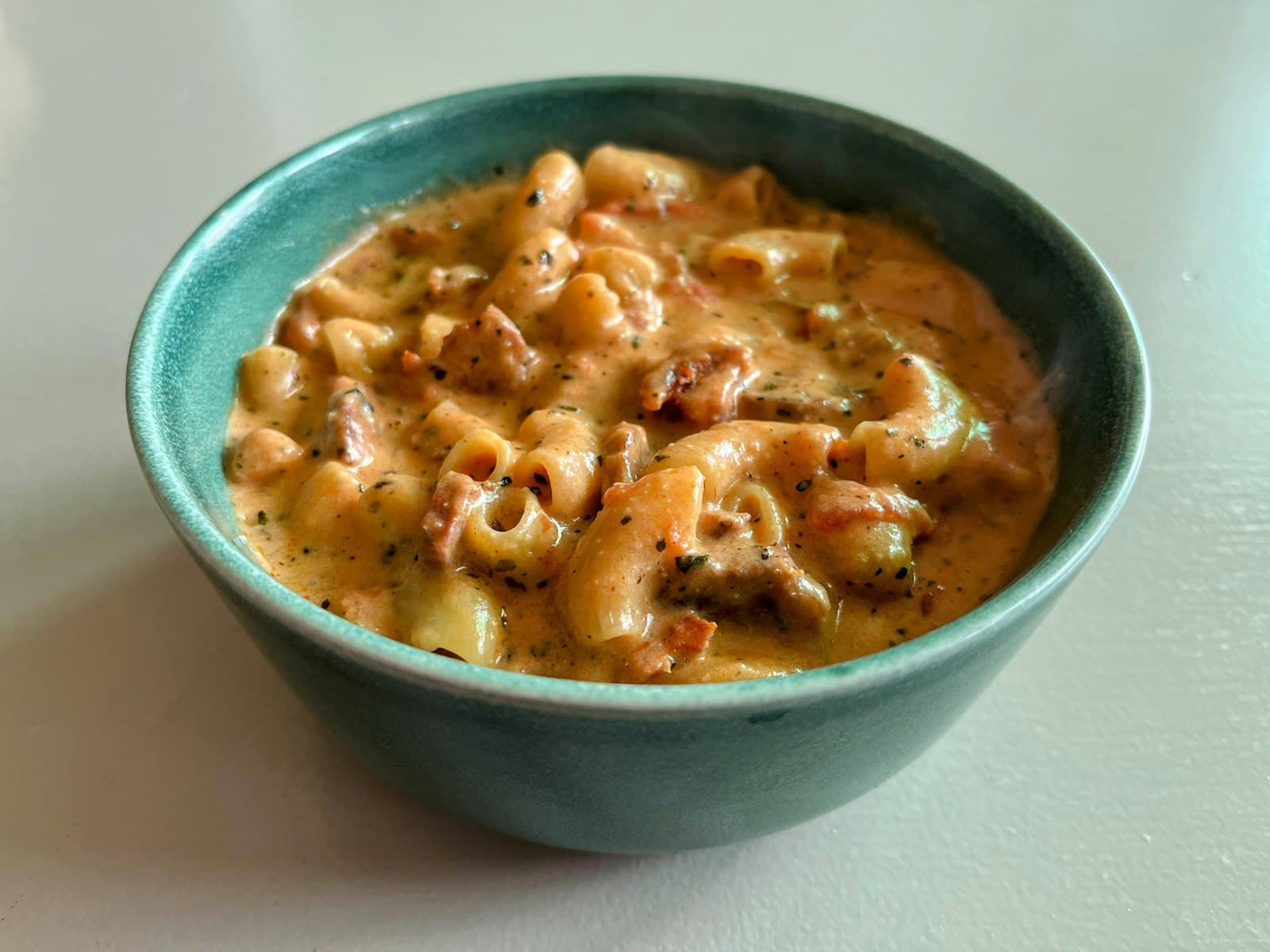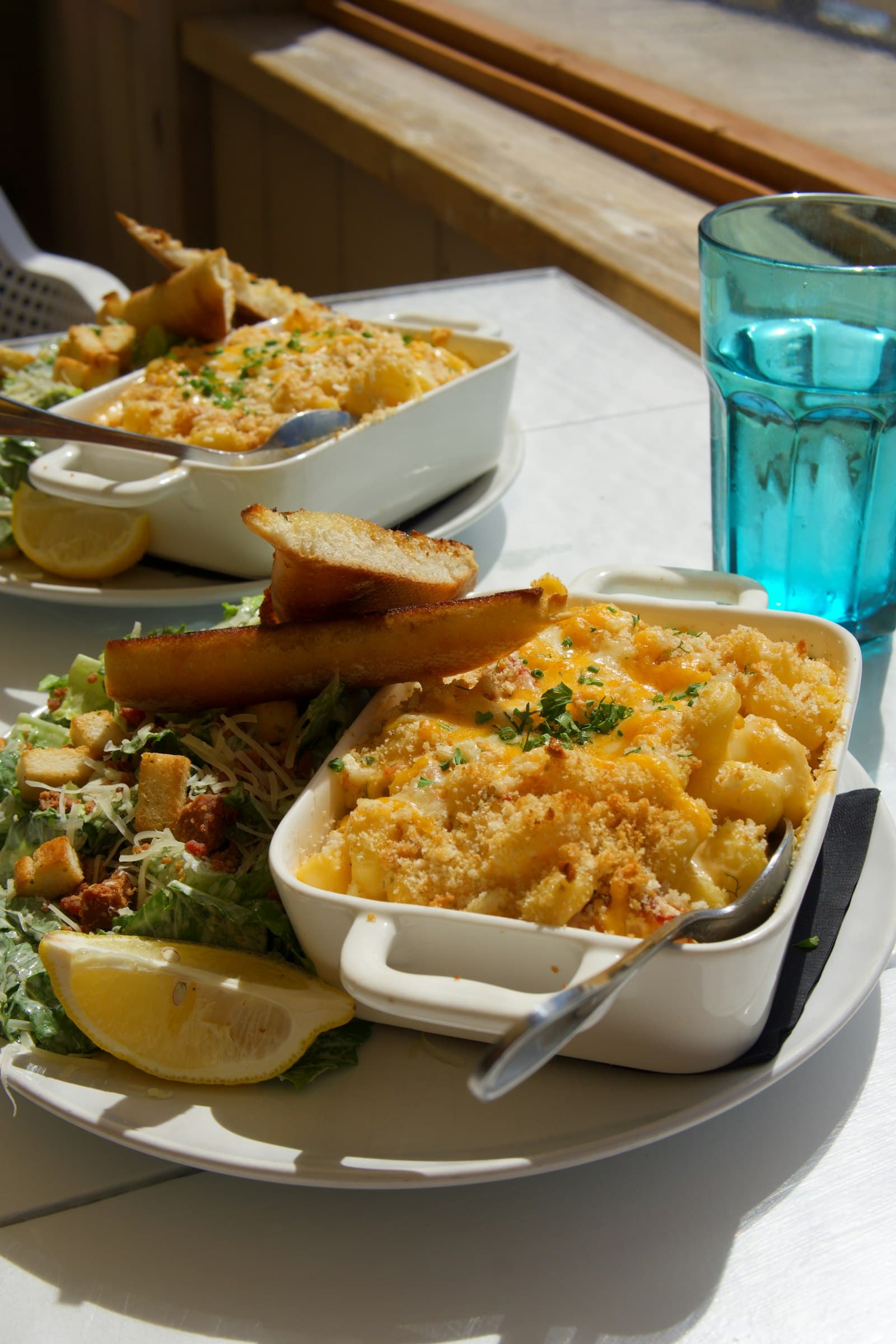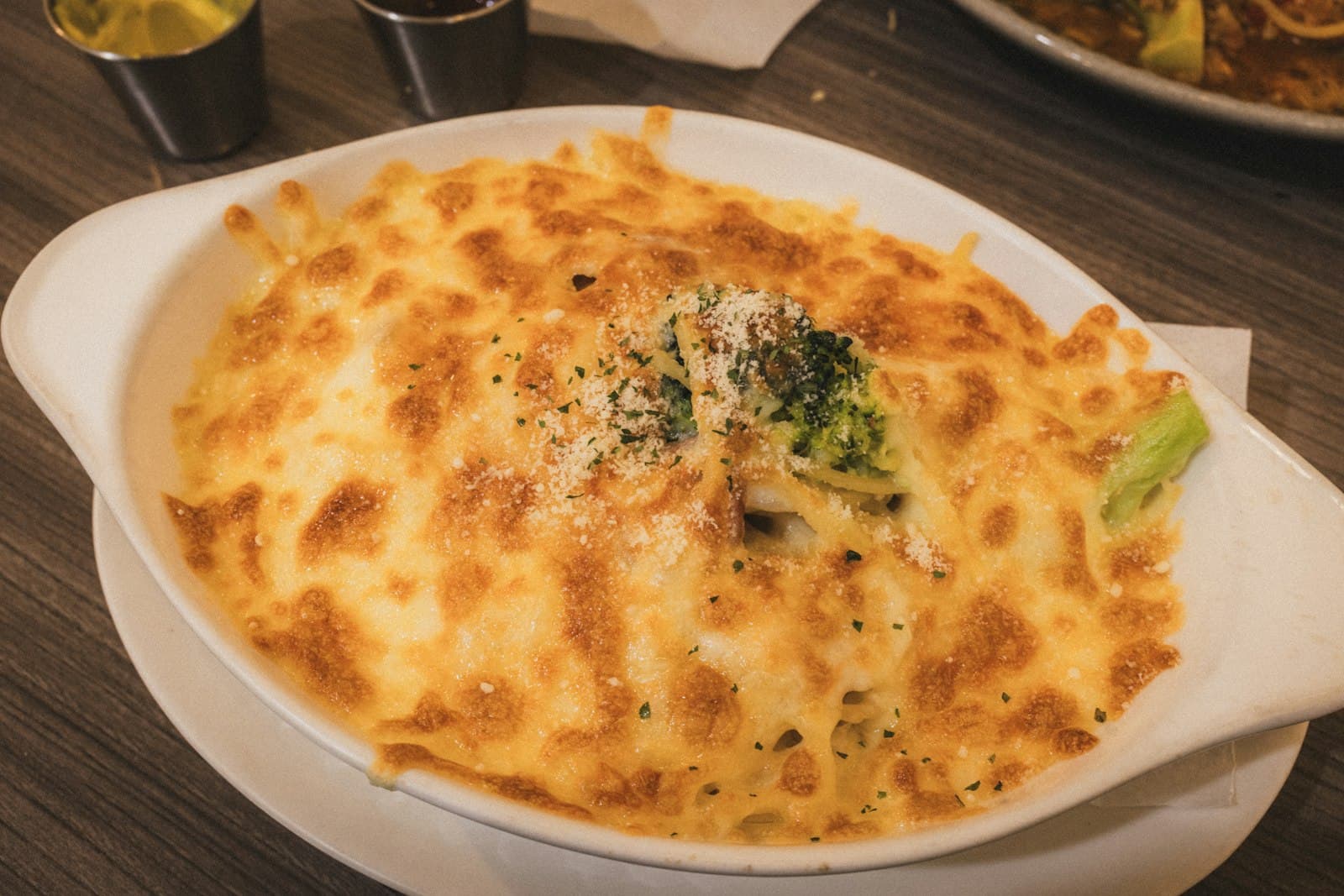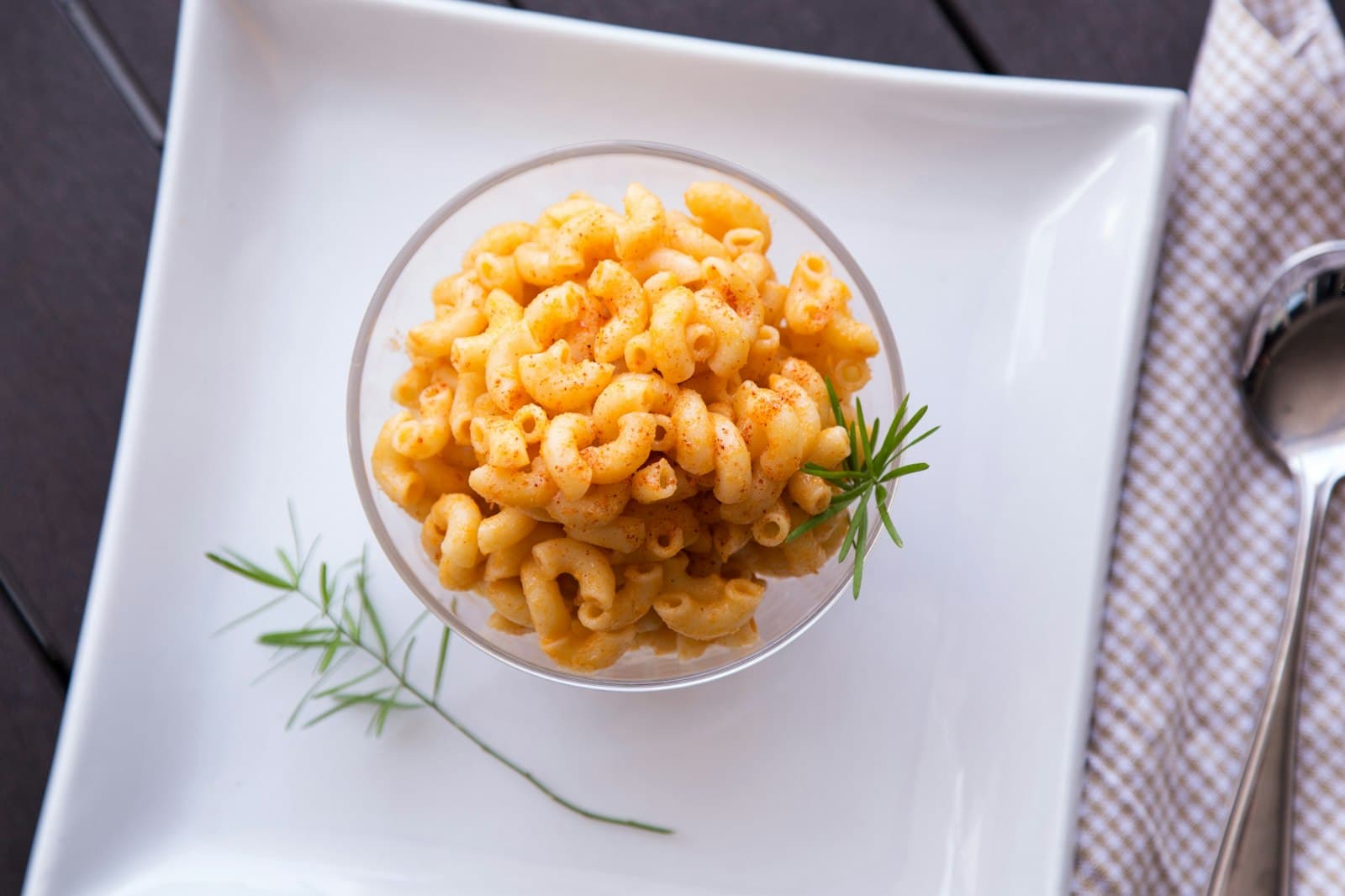
Baked Bacon Mac and Cheese
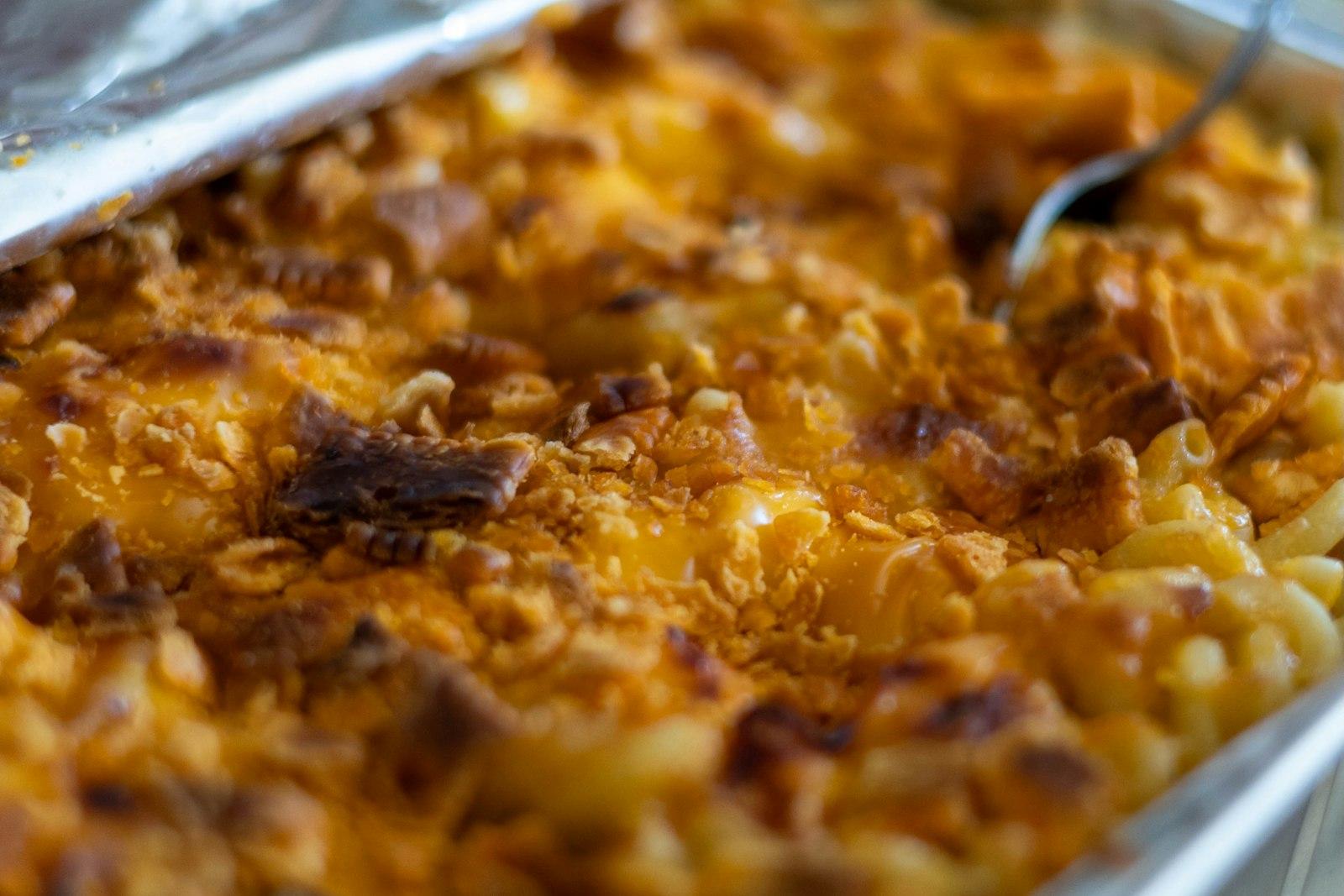
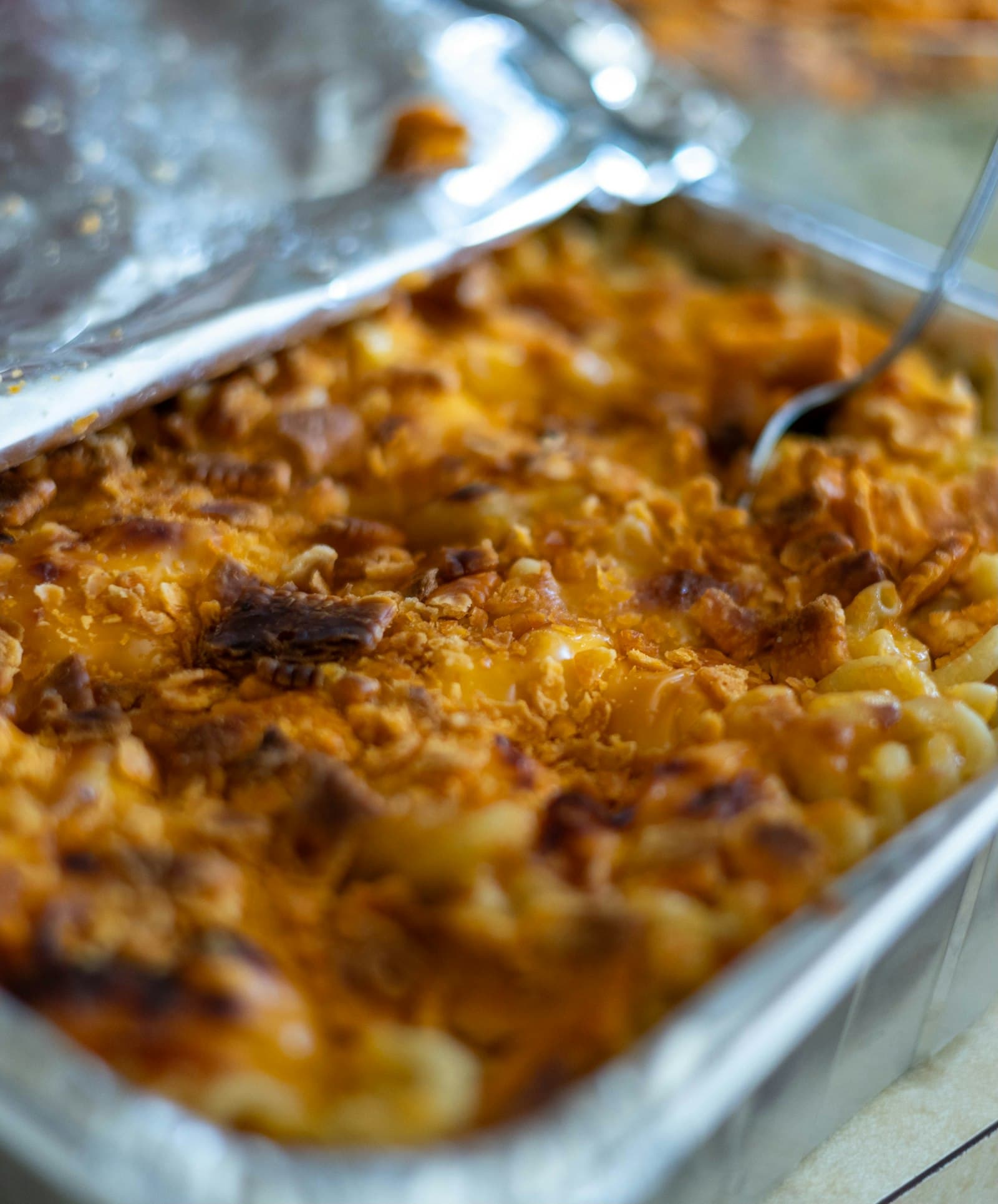
Bacon goes into this mac and cheese three ways. Its rendered fat replaces part of the butter in the roux, two-thirds of the crisp pieces are folded through the sharp cheddar and smoked Gouda sauce, and the rest bakes on top with crushed butter crackers, where it stays crunchy. The bacon and the cheese sauce share one pot, and the dish bakes for 20-25 minutes at 190°C (375°F).
By Luca Ferraro
Published
- Prep Time
- 20 mins
- Cook Time
- 50 mins
- Rest
- 10 mins
- Total Time
- 1 hr 20 mins
- Servings
- 8 servings
How do you make Baked Bacon Mac and Cheese?
Crisp 340 g chopped bacon and keep 2 tbsp of its fat. Make a roux with the fat, 45 g butter and 60 g flour, whisk in 1.1 litres warm milk, then melt in 340 g cheddar and 115 g smoked Gouda. Fold in 450 g par-cooked macaroni and most of the bacon, top with buttered cracker crumbs and the rest, and bake at 190°C (375°F) for 20-25 minutes.
- Total time
- 1 hr 20 mins
- Calories
- 765 per serving
- Protein
- 33 g
- Yield
- 8 servings
- Difficulty
- Easy
- Method
- Baking
Ingredients
Pasta
Bacon
Cheese sauce
Topping
Equipment
23 x 33 cm (9 x 13 in) baking dish · Large Dutch oven or heavy saucepan · Large pot · Colander · Whisk · Slotted spoon · Box grater
Quick Directions
Get ready
Heat the oven to 190°C (375°F) and butter the baking dish.
Crisp the bacon
Put the bacon pieces in a large Dutch oven or heavy saucepan over medium heat.
Par-cook the pasta
While the bacon cooks, boil the macaroni for 2 minutes less than the package time, so it is still firm in the centre.
Make the roux
Add the 45 g butter to the bacon fat in the pot over medium heat.
Thicken the sauce
Whisk in the warm milk and simmer for 5-8 minutes until it coats a spoon.
Melt in the cheese and bacon
Take the pot off the heat and stir in the cheddar and Gouda a handful at a time, letting each addition melt before adding the next.
Top and bake
Toss the cracker crumbs with the melted butter and the remaining bacon and scatter them evenly over the top.
Rest and serve
Let the mac and cheese rest for 10 minutes so the sauce settles and thickens, then scatter over the chives, if using, and serve.
Step-by-Step Instructions
Every step for making baked bacon mac and cheese, written out in full.
Get ready
Heat the oven to 190°C (375°F) and butter the baking dish. Shred the cheddar and Gouda, warm the milk in a saucepan or the microwave until it steams, and bring a large pot of water to the boil, salting it well.
Crisp the bacon
Put the bacon pieces in a large Dutch oven or heavy saucepan over medium heat. Cook for 10-12 minutes, stirring often, until the fat has rendered and the bacon is browned and crisp. Lift it out with a slotted spoon onto a plate lined with paper towel. Pour off all but 2 tablespoons of the fat, leaving the browned bits in the pot.
Par-cook the pasta
While the bacon cooks, boil the macaroni for 2 minutes less than the package time, so it is still firm in the centre. Drain it well without rinsing.
Make the roux
Add the 45 g butter to the bacon fat in the pot over medium heat. When it melts, whisk in the flour and cook for 1-2 minutes, whisking constantly and scraping up the browned bits, until it bubbles and smells lightly toasted.
Thicken the sauce
Pour in the warm milk a ladle at a time, whisking until smooth after each addition. Bring to a gentle simmer and cook for 5-8 minutes, whisking often and scraping the corners of the pot, until the sauce coats the back of a spoon. Whisk in the mustard powder, smoked paprika, garlic powder, salt and pepper.
Melt in the cheese and bacon
Take the pot off the heat and stir in the cheddar and Gouda a handful at a time, letting each addition melt before adding the next. Fold in the drained macaroni and two-thirds of the bacon, then spread it in the baking dish. It should look loose and saucy; the pasta soaks up sauce in the oven.
Top and bake
Toss the cracker crumbs with the melted butter and the remaining bacon and scatter them evenly over the top. Bake for 20-25 minutes, until the sauce bubbles at the edges and the topping is golden brown.
Rest and serve
Let the mac and cheese rest for 10 minutes so the sauce settles and thickens, then scatter over the chives, if using, and serve.
Recipe Tips
- Make the roux in the bacon fat. It carries the smoky bacon flavour through the whole sauce, and the browned bits on the bottom of the pot dissolve into it.
- Keep a third of the bacon for the top. Bacon folded into the sauce softens as it bakes, while the pieces in the cracker crust stay crisp.
- Shred the cheese from a block. Pre-shredded cheese is coated in anti-caking starch and can make the sauce gritty.
- Taste the sauce before adding the full 1/2 tsp of salt. Bacon, cheddar, smoked Gouda and crackers all bring their own salt.
Variations
- Panko crust: use 60 g panko breadcrumbs tossed with the melted butter and 25 g grated parmesan in place of the crackers.
- Cheese swaps: use all sharp cheddar, or cheddar with Gruyère or Monterey Jack instead of the smoked Gouda.
- Jalapeño bacon: cook 2 seeded, diced jalapeños in the bacon fat for 3 minutes before adding the butter.
- Oven bacon: bake whole slices on a foil-lined rimmed baking sheet at 200°C (400°F) for 15-20 minutes until crisp, then chop them, and use 2 tbsp of the fat from the tray for the roux.
Nutrition (per serving)
| Calories | 765 |
|---|---|
| Protein | 33 g |
| Carbs | 61 g |
| Fat | 43 g |
| Saturated fat | 23 g |
| Fibre | 2.5 g |
| Sugar | 9 g |
| Sodium | 1080 mg |
Estimated from the listed ingredients; values vary by brand.
Related Recipes
Storing & Reheating
- Fridge
- Cool, cover and refrigerate within 2 hours for up to 4 days.
- Freezer
- Freeze baked portions, or the assembled dish without the cracker topping, wrapped tightly, for up to 2 months. Thaw overnight in the fridge.
- Reheat
- Add a splash of milk and reheat portions in the microwave, stirring halfway, or cover the dish with foil and bake at 180°C (350°F) for 20-30 minutes, until hot to 74°C (165°F) in the centre.
Baked Bacon Mac and Cheese FAQs
What cheese goes best with bacon in mac and cheese?
Sharp cheddar gives the sauce a strong cheese flavour, and smoked Gouda melts smoothly and echoes the smokiness of the bacon. Monterey Jack or Gruyère can replace the Gouda if you prefer a milder sauce.
Do you cook bacon before adding it to mac and cheese?
Yes. Cook it until crisp first. Raw bacon will not crisp in the sauce or the oven, and its fat would make the sauce greasy. Cooking it in the pot you use for the sauce also gives you the fat for the roux.
How do you keep the bacon crisp in baked mac and cheese?
Hold back about a third of the cooked bacon and mix it into the buttered cracker crumbs on top. The bacon folded into the sauce turns tender as it bakes, but the pieces in the topping stay crisp.
Can I make bacon mac and cheese ahead of time?
Yes. Assemble it without the topping, cool, cover and refrigerate for up to 2 days, keeping the reserved bacon in a separate container in the fridge. Add the cracker and bacon topping, then bake from cold at 190°C (375°F), covered with foil for 20 minutes and uncovered for 15-20 minutes, until hot to 74°C (165°F) in the centre.
Can you freeze bacon mac and cheese?
Yes, for up to 2 months. Freeze it baked, or assembled without the topping, wrapped tightly. Thaw overnight in the fridge, add fresh topping if needed, and bake covered at 180°C (350°F) until the centre reaches 74°C (165°F), uncovering for the last 10-15 minutes to crisp the top.
Why is my bacon mac and cheese greasy?
Too much bacon fat in the roux, or a sauce that was too hot when the cheese went in, can both leave a greasy layer. Use only 2 tablespoons of the rendered fat, and take the pot off the heat before stirring in the cheese a handful at a time.
Disclaimer
- Nutrition information is an estimate based on the listed ingredients. It changes with the brands, portion sizes and swaps you use.
- Read ingredient labels for allergens and for diet claims such as gluten-free or vegan. Products and their ingredients can change.
- Cooking times are a guide, since ovens, air fryers and slow cookers all run differently. Use a food thermometer and cook meat, poultry and fish to the safe internal temperatures in government food safety guidance.
- This recipe is general information, not medical or nutrition advice. If you have an allergy, a health condition or a special diet, check with a qualified health professional.