Chicken Tikka Masala
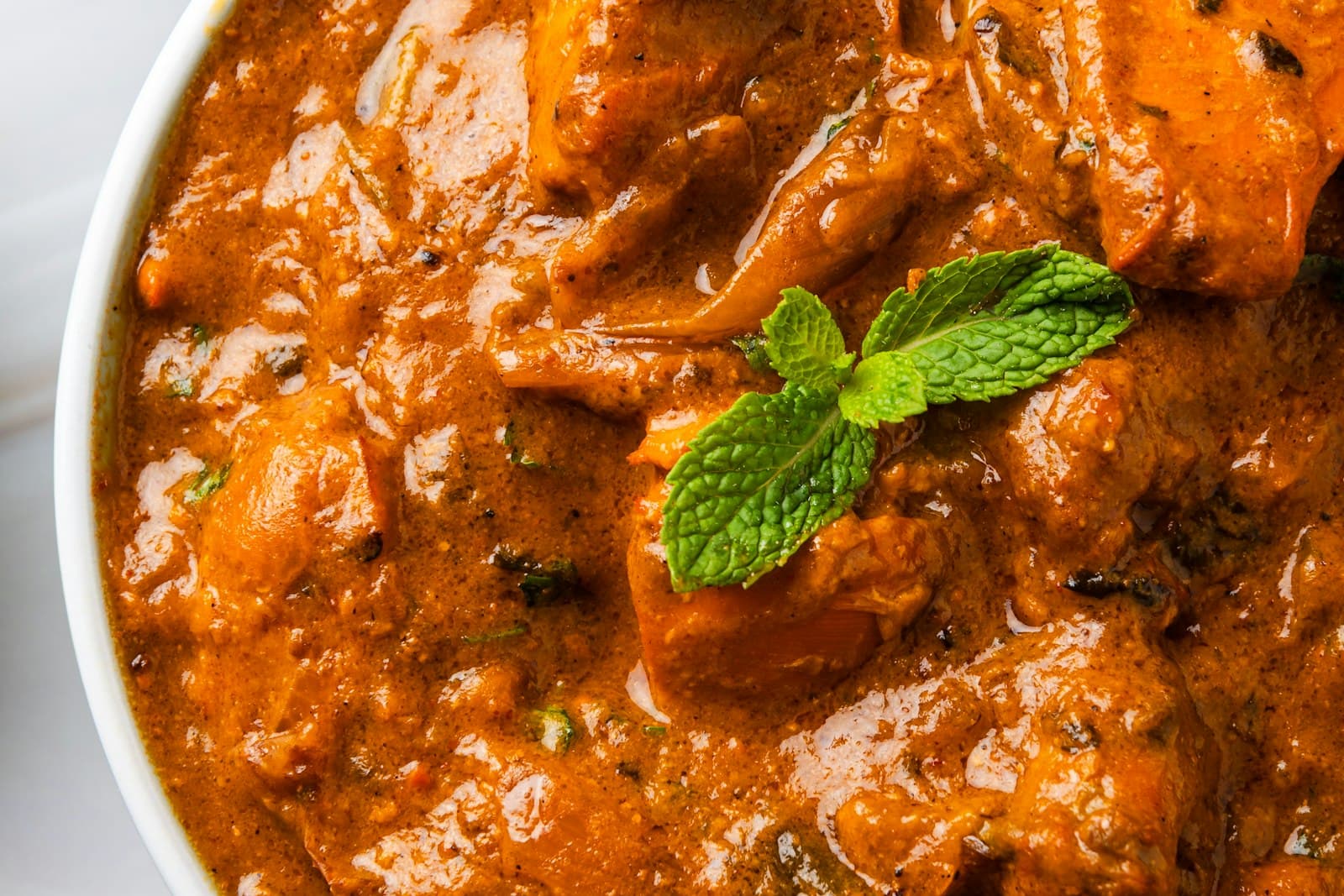
Chicken tikka masala comes together in two parts. First the tikka: chicken marinated in spiced yogurt and charred under a hot broiler or in a cast-iron pan until the edges turn dark and smoky. Then the masala: a sauce of deep golden onion, garlic, ginger, warm spices and tomato, finished with cream. The origin of the dish is debated, but it is widely linked to British Indian restaurants.
By Mei Lin Tan
Published
- Prep Time
- 20 mins
- Cook Time
- 40 mins
- Marinate
- 1 hr
- Total Time
- 2 hrs
- Servings
- 4 servings
How do you make Chicken Tikka Masala?
Marinate 700 g chicken thigh pieces in yogurt, lemon, garlic, ginger and spices for 1-12 hours. Cook onion until golden, add spices, tomato paste and crushed tomatoes and simmer for 15-20 minutes. Char the chicken under a hot broiler for 10-12 minutes, then simmer it in the sauce with cream and kasuri methi until it reaches 74°C (165°F).
- Total time
- 2 hrs
- Calories
- 560 per serving
- Protein
- 40 g
- Yield
- 4 servings
- Difficulty
- Medium
- Method
- Broiling and simmering
Ingredients
Chicken tikka
Masala sauce
To serve
Equipment
Large mixing bowl · Rimmed baking sheet with a wire rack, or a cast-iron skillet · Large, deep skillet or saucepan with a lid · Immersion blender (optional) · Instant-read thermometer
Quick Directions
Marinate the chicken
Coat the chicken in the spiced yogurt marinade and refrigerate for 1-12 hours.
Start the sauce
Cook the onion until deep golden, then add the garlic, ginger, spices and tomato paste.
Simmer the tomatoes
Simmer the sauce with the tomatoes for 15-20 minutes until thick.
Char the chicken
Broil the chicken on a rack for 10-12 minutes, turning once, until charred in spots.
Finish in the sauce
Simmer the chicken in the sauce with the cream until it reaches 74°C (165°F).
Serve
Scatter with fresh coriander and serve hot with basmati rice or warm naan.
Step-by-Step Instructions
Follow these detailed steps to make the perfect chicken tikka masala.
Marinate the chicken
Pat the chicken dry with paper towel and cut it into 4 cm pieces. In a large bowl, stir together the yogurt, lemon juice, grated garlic and ginger, Kashmiri chili powder, garam masala, cumin, turmeric, salt and 1 tbsp oil. Add the chicken and mix until every piece is coated. Cover and refrigerate for at least 1 hour, or up to 12 hours for deeper flavour.
Start the sauce
Melt the butter in a large, deep skillet over medium heat. Add the onion and cook for 8-10 minutes, stirring often, until soft and deep golden. Add the garlic, ginger and green chili and cook for 1 minute, until fragrant. Stir in the coriander, cumin, garam masala, chili powder and turmeric, then the tomato paste, and cook for 1 minute more, stirring constantly so the spices don't burn.
Simmer the tomatoes
Add the crushed tomatoes, water, salt and sugar and bring to a simmer. Partly cover and simmer for 15-20 minutes, stirring now and then, until the sauce is thick and small pools of oil appear at the edges. For a smooth, restaurant-style sauce, blend it in the pan with an immersion blender.
Char the chicken
While the sauce simmers, set an oven rack about 10 cm below the broiler (the oven grill) and heat the broiler to high. Line a rimmed baking sheet with foil, set a wire rack on it and brush the rack with oil. Lift the chicken out of the marinade, letting the excess drip off, and spread it on the rack with small gaps between the pieces. Discard the leftover marinade. Broil for 10-12 minutes, turning once halfway, until charred in spots and nearly cooked through. No broiler? Heat the oil in a cast-iron skillet over medium-high heat and sear the chicken in 2 batches for 3-4 minutes per side, until well browned.
Finish in the sauce
Stir the cream and kasuri methi into the sauce, then add the chicken and any juices from the tray. Simmer gently for 5-8 minutes, stirring now and then, until the sauce coats the chicken and the thickest piece reads 74°C (165°F) on an instant-read thermometer. Don't let it boil hard once the cream is in. Taste and adjust with more salt, a pinch of sugar if the tomatoes are sharp, or a squeeze of lemon.
Serve
Scatter with fresh coriander and serve hot with basmati rice or warm naan.
Recipe Tips
- Use thick yogurt and pat the chicken dry so the marinade clings and chars instead of sliding off and steaming.
- Leave space between the pieces on the rack. Crowded chicken steams and stays pale, and the charred edges carry much of the smoky flavour.
- Take your time with the onion. Cooking it to a deep golden colour gives the sauce its savoury, slightly sweet base.
- Kashmiri chili powder gives the deep red-orange colour with gentle heat, so there is no need for food colouring.
- Kasuri methi adds a savoury, slightly bitter aroma. Look for it at South Asian grocery stores or in the international aisle; if you can't find it, leave it out.
Variations
- Paneer tikka masala: use 400 g paneer cubes instead of chicken, marinate for 30 minutes, broil for 6-8 minutes until charred at the edges, then simmer in the sauce for 3 minutes.
- For a lighter sauce, use light cream or evaporated milk instead of whipping cream, and keep it at a bare simmer so it does not split.
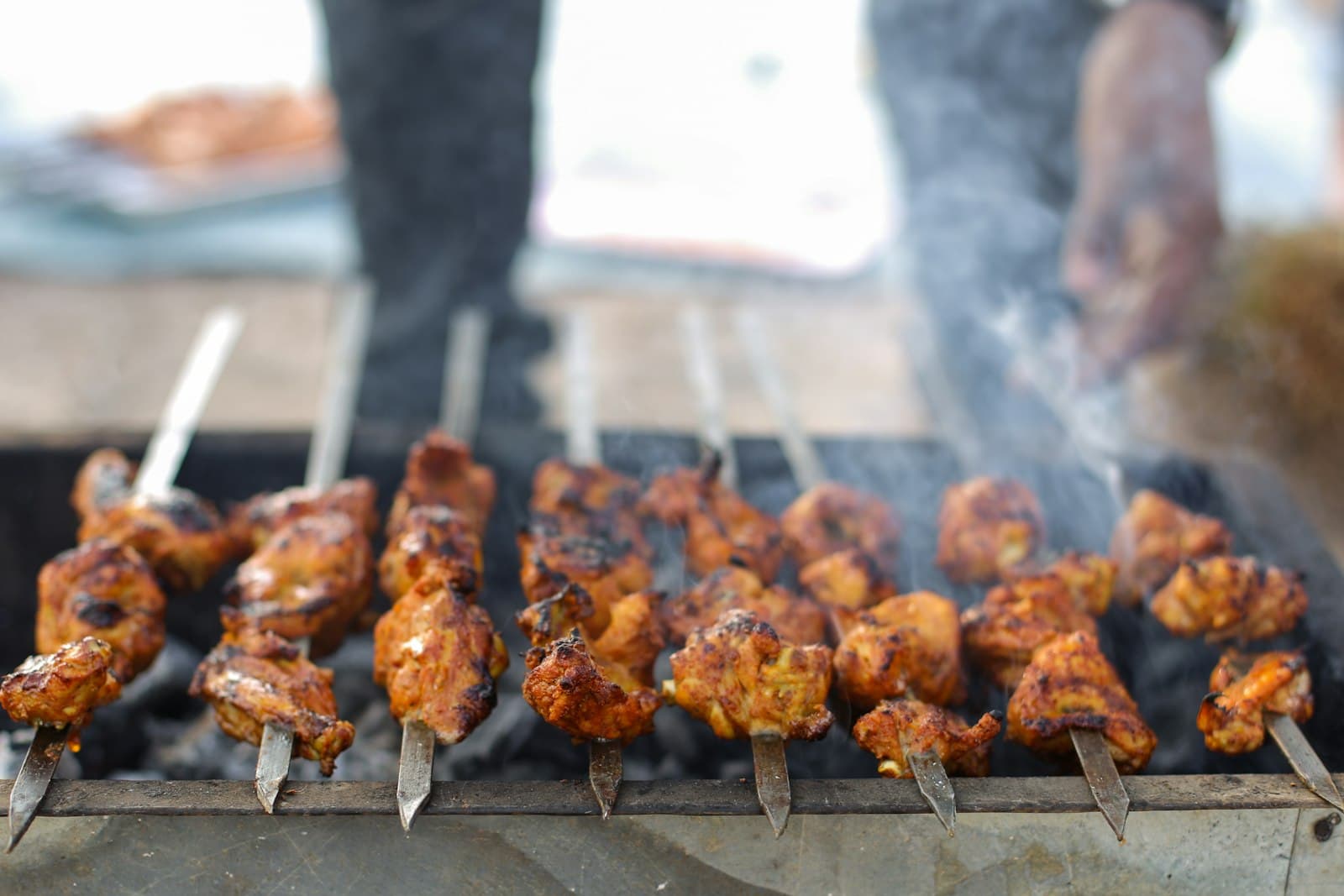
- Outdoor grill: thread the marinated chicken onto skewers and grill over high heat for 8-10 minutes, turning often, until charred, then finish it in the sauce.
- Dairy-free: use plain coconut yogurt in the marinade, oil instead of butter and full-fat coconut milk instead of cream.
Nutrition (per serving)
| Calories | 560 |
|---|---|
| Protein | 40 g |
| Carbs | 23 g |
| Fat | 35 g |
| Saturated fat | 14 g |
| Fibre | 4.5 g |
| Sugar | 11 g |
| Sodium | 1180 mg |
Estimated from the listed ingredients; values vary by brand.
Related Recipes
Storing & Reheating
- Fridge
- Refrigerate within 2 hours in an airtight container for up to 3 days. The flavour deepens overnight.
- Freezer
- Freeze in airtight containers for up to 3 months and thaw overnight in the fridge. The cream sauce can look slightly grainy after freezing; stirring while you reheat brings it back together.
- Reheat
- Reheat gently in a covered pan over medium-low heat, adding a splash of water if the sauce has thickened, until steaming and 74°C (165°F).
Chicken Tikka Masala FAQs
What is the difference between chicken tikka masala and butter chicken?
Chicken tikka masala starts with chicken tikka, pieces marinated in spiced yogurt and charred under high heat, which then simmer in a tomato and cream sauce with a base of well-browned onion. Butter chicken (murgh makhani) has a smoother sauce that leans on butter and cream, and it is usually sweeter and milder. Tikka masala tends to taste spicier and more savoury, with smoky edges on the chicken.
Where does chicken tikka masala come from?
The origin of chicken tikka masala is debated. The dish is widely linked to British Indian restaurants, and it builds on chicken tikka, yogurt-marinated chicken that is traditionally cooked in a tandoor oven.
Should I use chicken thighs or chicken breast for tikka masala?
Either works. Thighs stay juicier under the high heat of the broiler and through the simmer, which is why this recipe uses them. If you use breasts, cut them into slightly larger 5 cm pieces and simmer them in the sauce only until they reach 74°C (165°F), so they stay tender.
Is chicken tikka masala spicy?
This version is medium-mild. Kashmiri chili powder gives a deep red colour with gentle heat, and the cream softens it further. For more heat, add the green chili or a pinch of cayenne with the ground spices. For a milder sauce, leave out the green chili and use paprika instead of Kashmiri chili powder.
Is chicken tikka masala gluten-free?
Yes. Chicken, yogurt, tomatoes, cream and spices contain no gluten. Single spices and most garam masala blends are only ground spices, but check the labels for fillers or cross-contact if you need to avoid gluten strictly. Serve it with rice rather than naan to keep the meal gluten-free.
Disclaimer
- Nutrition information is an estimate based on the listed ingredients. It changes with the brands, portion sizes and swaps you use.
- Read ingredient labels for allergens and for diet claims such as gluten-free or vegan. Products and their ingredients can change.
- Cooking times are a guide, since ovens, air fryers and slow cookers all run differently. Use a food thermometer and cook meat, poultry and fish to the safe internal temperatures in government food safety guidance.
- This recipe is general information, not medical or nutrition advice. If you have an allergy, a health condition or a special diet, check with a qualified health professional.