Slow Cooker Low vs High: How Long Savour Recipes Take
Slow cooker low vs high in 9 Savour recipes: each step's LOW and HIGH times against the 2-to-1 rule, which dishes finish on HIGH, and what WARM is for.
By Maya Ellison
Published · Updated · 10 min read
Quick answer
Slow cooker low vs high, as Savour's recipes write it: pulled pork and Italian beef take 8 to 10 hours on LOW or 5 to 6 hours on HIGH, white chicken chili 5 to 6 hours or 2 to 3, red lentil soup 6 to 7 hours or 3 to 4. HIGH is not a fixed half of LOW, the queso dip avoids HIGH because fast heat can make real cheese grainy, and WARM only holds food that is already cooked.
- Recipes featured
- 9
- Quickest
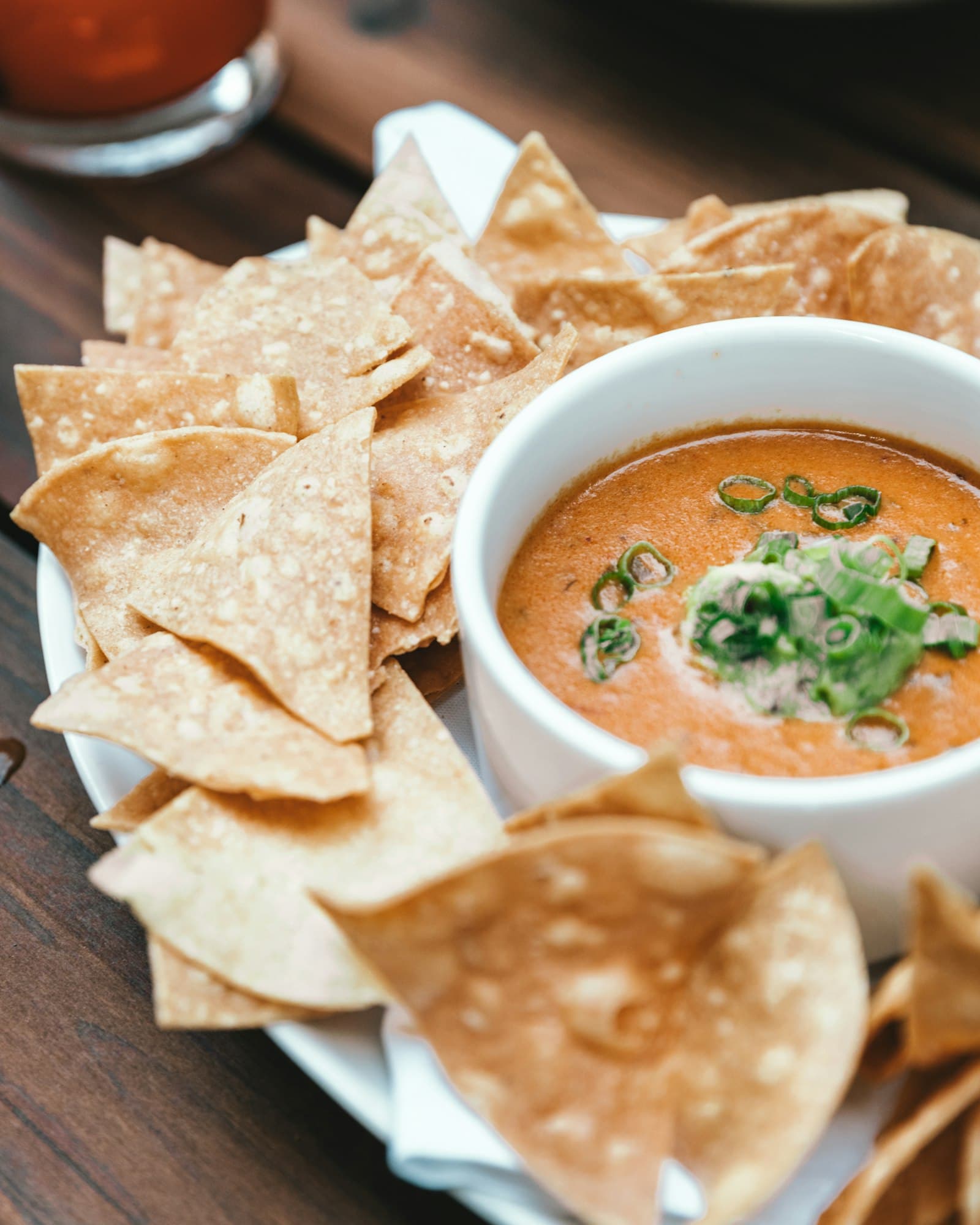
- Slow Cooker Queso Dip (2 hrs 10 mins)
- Average total time
- 5 hrs 46 mins
- Average calories
- 368 per serving
- Reading time
- 10 min
- Section
- Cooking guides
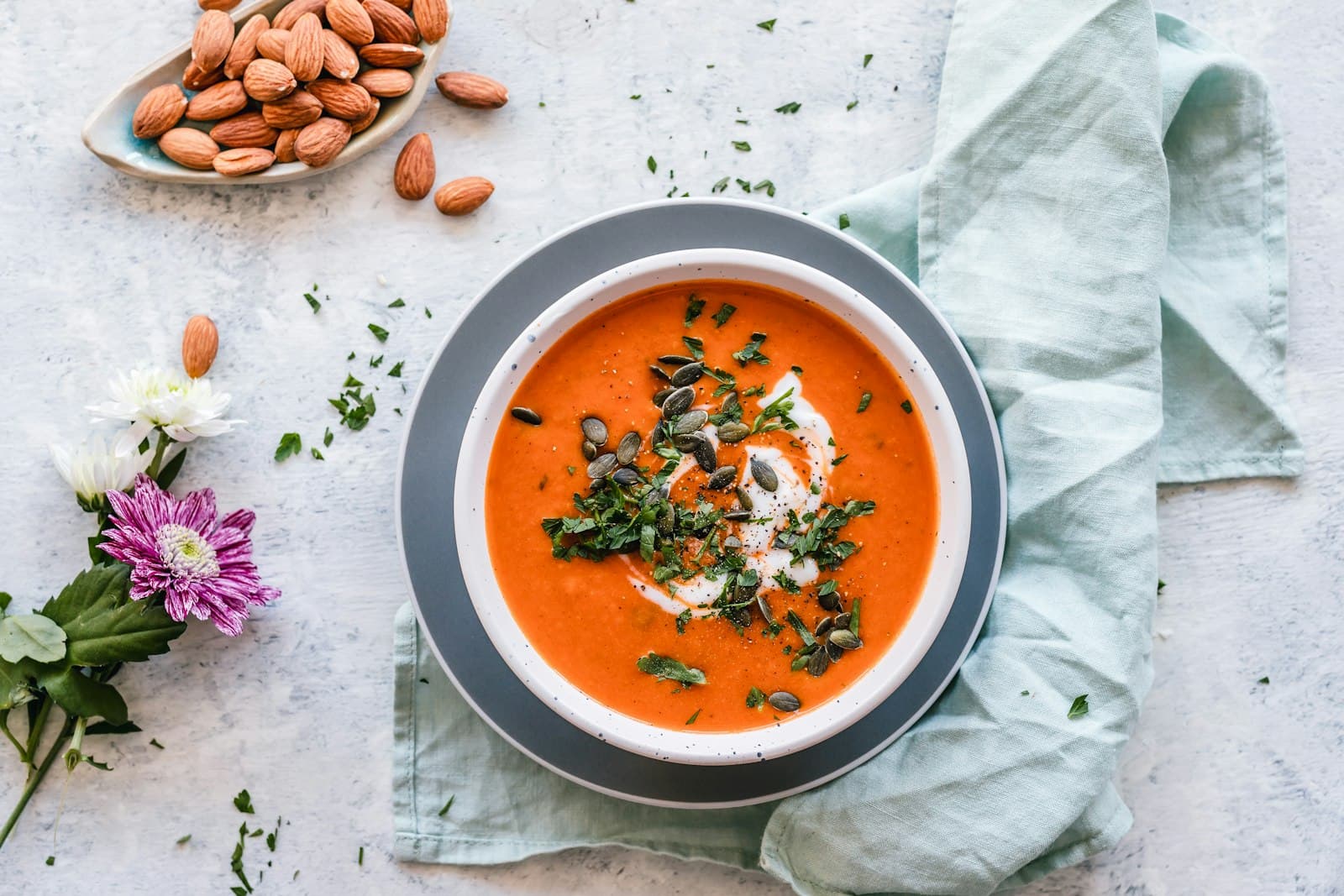
Slow cooker low vs high comes down to hours in Savour's recipes: 8 of the 9 recipes in this guide give both settings in the same step, and the dish is done at the same cue on either one. Pulled pork and Italian beef take 8 to 10 hours on LOW or 5 to 6 hours on HIGH, white chicken chili 5 to 6 hours on LOW or 2 to 3 on HIGH, and red lentil soup 6 to 7 hours on LOW or 3 to 4 on HIGH. Chicken is done at 74°C (165°F).
Below: each recipe's LOW and HIGH times side by side, how they compare with the usual two-to-one rule, when recipes avoid or finish on HIGH, and what WARM is for.
Slow cooker low vs high: what is the difference?
Both settings cook the same food; HIGH gets it there faster. Clemson University's extension sheet on slow cooker food safety says foods cook faster on high than on low, and suggests the low setting for all-day cooking or for less-tender cuts. The same sheet says it is safe to cook foods on low the entire time.
Each Savour recipe here with two settings gives a LOW time and a HIGH time in one step, followed by a single doneness cue: the pork pulls apart with a fork, the chicken reaches 74°C (165°F), the lentils break down. The slow cooker queso dip is the exception, with a LOW time only.
WARM is a third setting, and it is not for cooking. Iowa State University's extension advice is not to use the warm setting to cook food, because it keeps food warm and does not cook it.
How long do slow cooker recipes take on LOW vs HIGH?
Times as each recipe's slow cook step writes them, with the cooker size from its equipment list, sorted by the stored total.
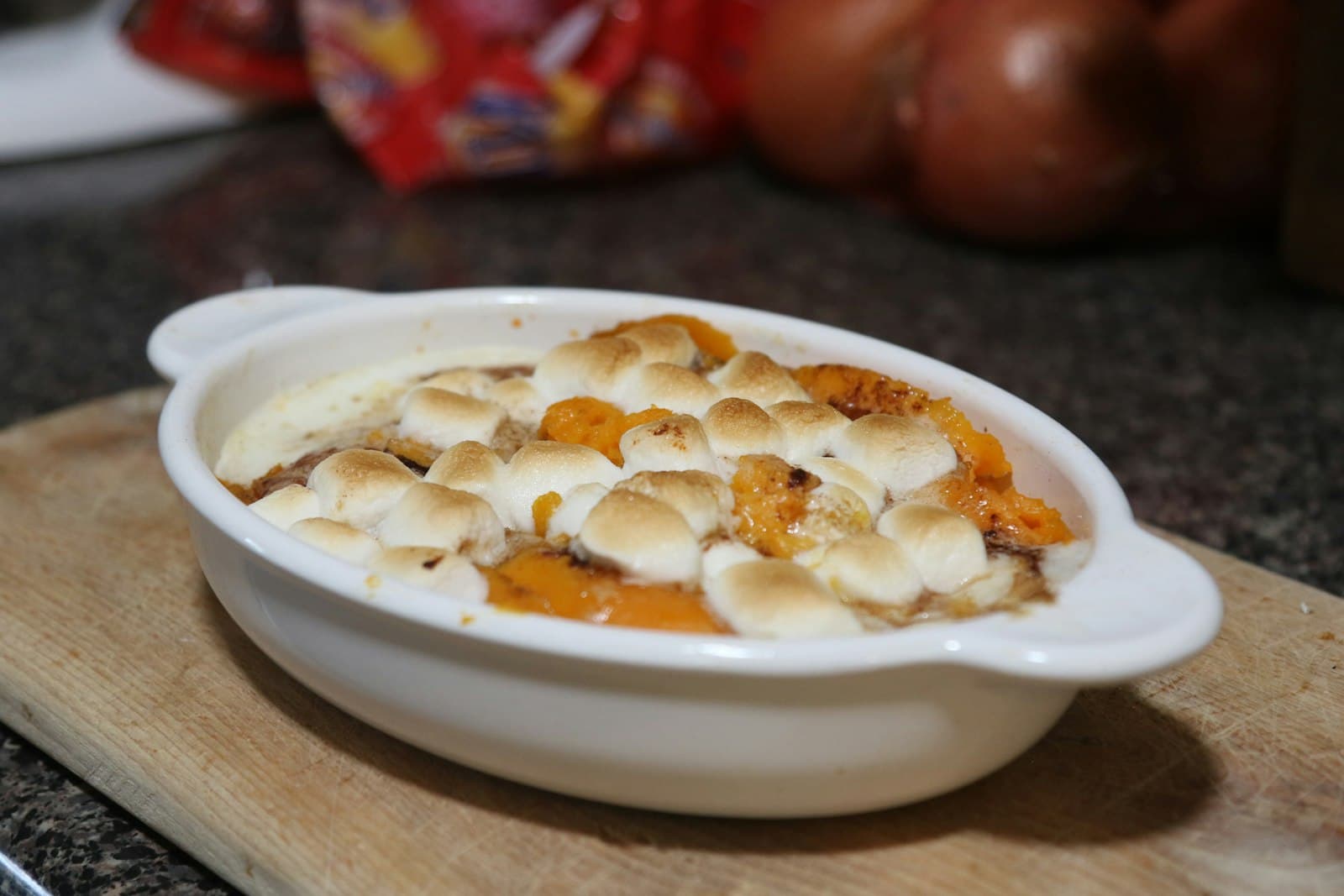
The total on each recipe is one stored figure, prep time plus cook time, and the cook time in it fits one setting. For 8 of the 9 recipes it fits the LOW time: the pulled pork's 480 minutes of cooking is 8 hours, the low end of its 8 to 10 hours on LOW. The sweet potato casserole's 215 minutes fits its 3 to 4 hours on HIGH, and its step is the only one that lists HIGH first. On the other setting, plan from the range in the step, not from the total.
Is there a slow cooker high to low conversion?
University of Missouri Extension gives the usual rule of thumb: one hour on the high setting equals two hours on the low setting. Halving each step's LOW time shows where Savour's recipes match that rule and where they do not:
The bean dip and the burrito bowls match the rule exactly. The sweet potatoes and the lentil soup allow up to half an hour more on HIGH, and the chili's HIGH range starts at 2 hours, below the rule. The chicken and gravy's HIGH range runs up to an hour past the rule, and the two large cuts of meat, a boneless pork shoulder and a beef chuck roast, take 5 to 6 hours on HIGH where the rule gives 4 to 5. When a recipe gives both settings, use its own pair rather than a conversion, and let the doneness cue decide.
Is it better to slow cook on low or high?
When a recipe gives both, either setting cooks the dish to the same cue, and the choice is how many hours you have. With under an hour to cook, the 30-minute dinner meal plan with one shopping list has five weeknight dinners that need no slow cooker. The exceptions in Savour's slow cooker recipes come from the ingredients:
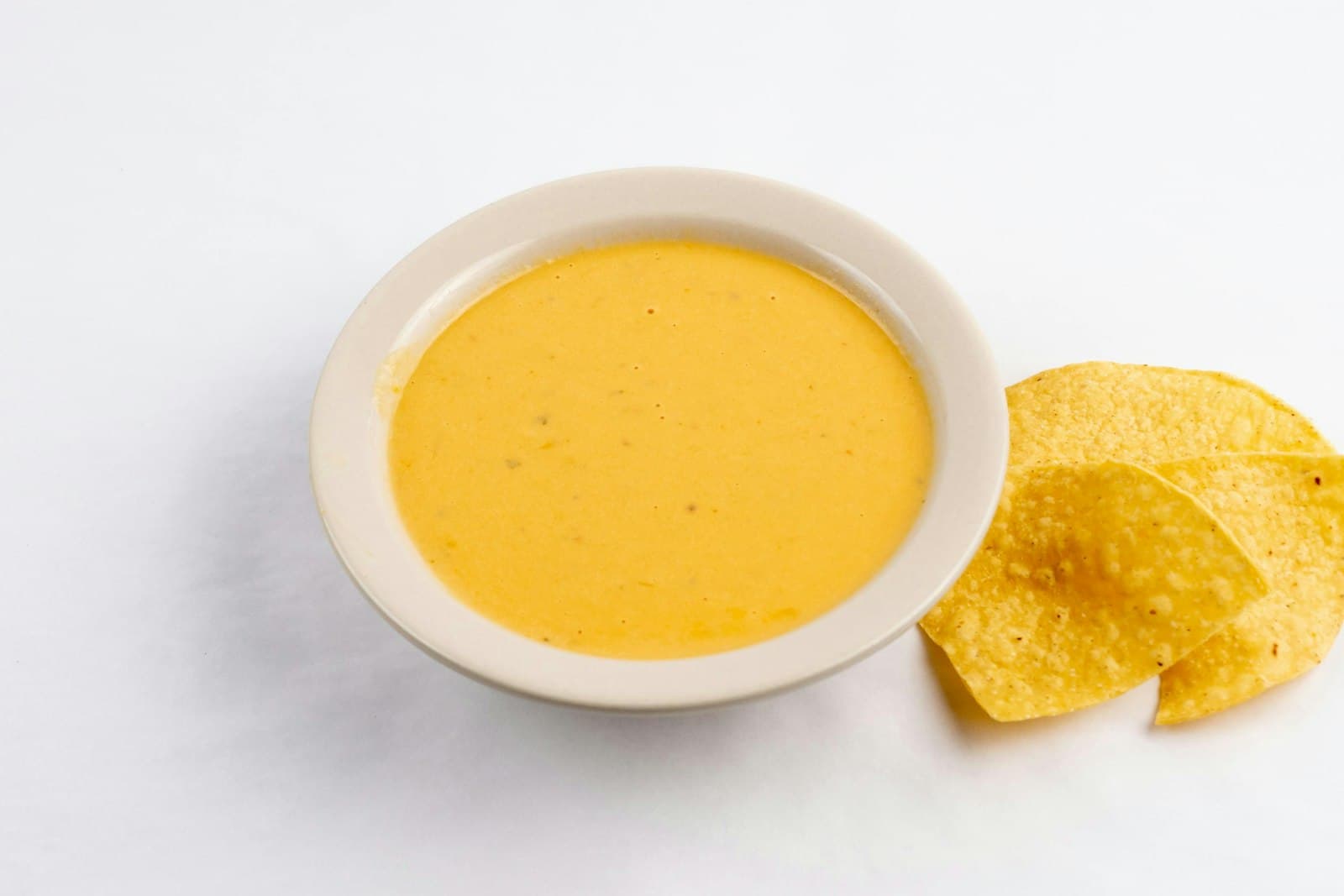
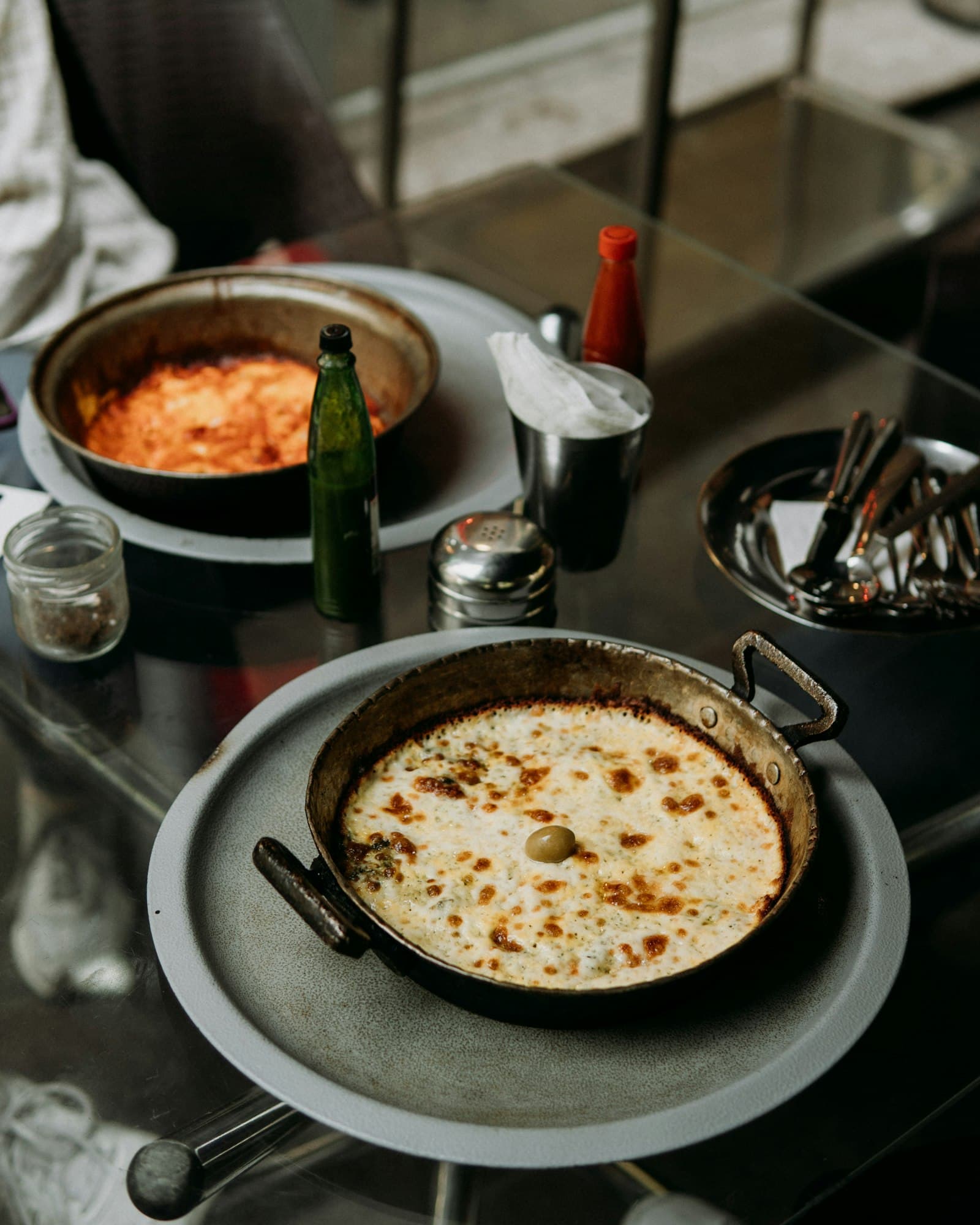
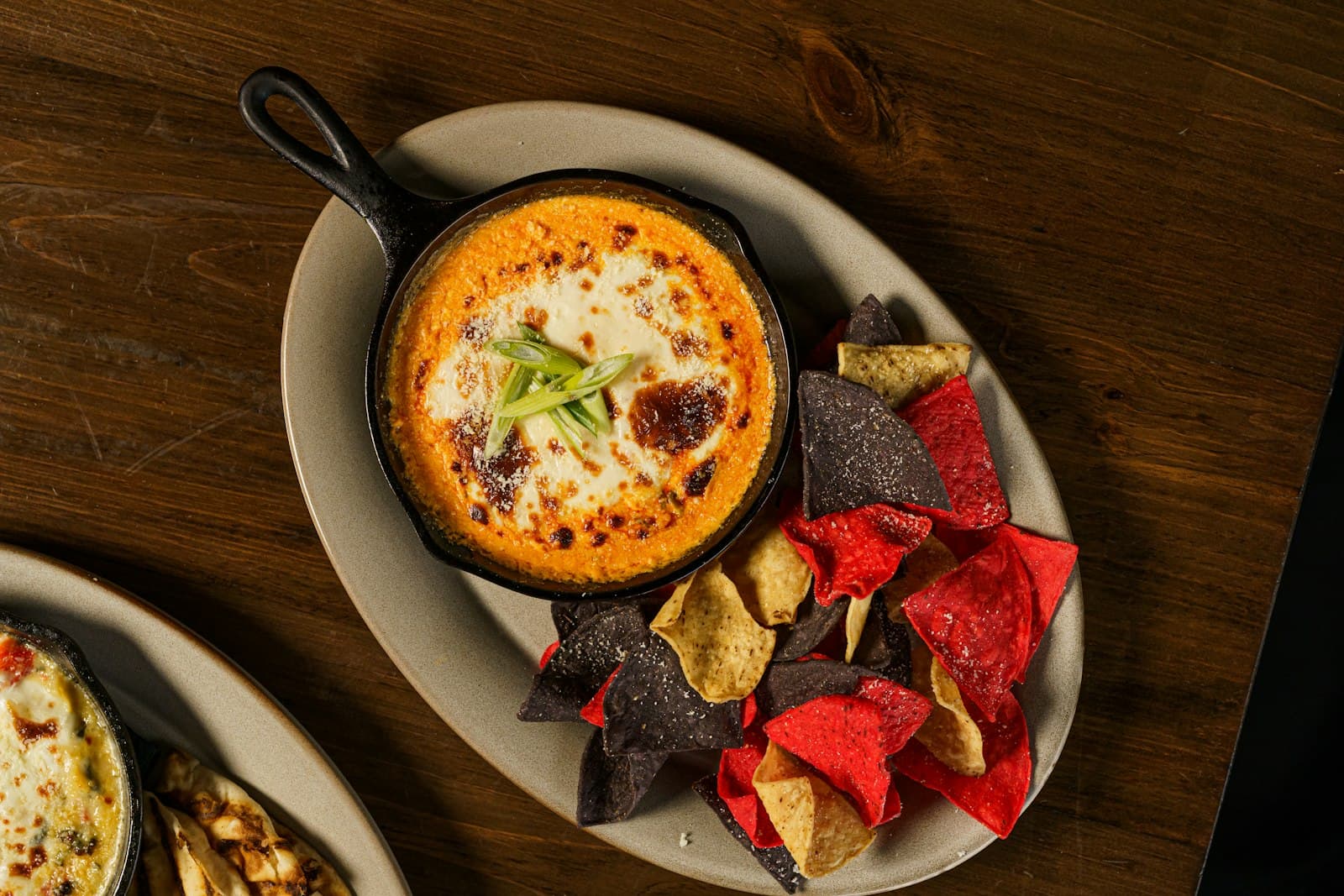
- Real cheese stays on LOW. The queso dip cooks on LOW for 1 1/2 to 2 hours, stirred well every 30 minutes, and its step says to avoid HIGH because "fast heat can make real cheese grainy." The cheese is also tossed in cornstarch first, which the step says keeps the sauce from splitting as it melts.
- Chicken breasts get a shorter LOW cook. The chicken and gravy uses thighs, which its tip says "stay moist through the long cook." Its variation for breasts is LOW for 4 hours "to keep them from drying out." The white chicken chili takes breasts or thighs; its tip says breasts shred more neatly and thighs stay juicier if the chili sits on WARM for a while. Both dishes are in the slow cooker chicken recipes collection.
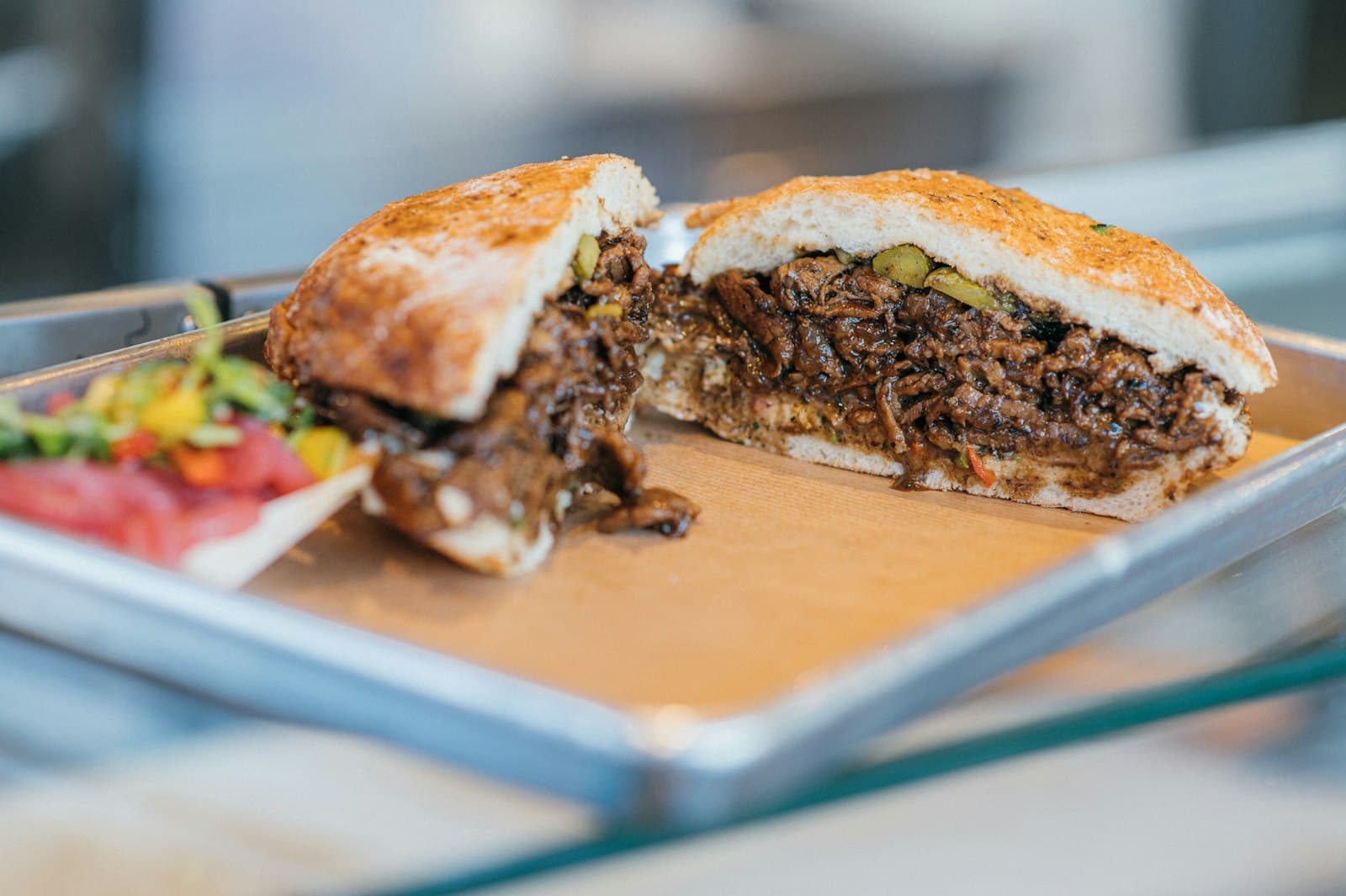
- Big cuts need fat for the long cook. The pulled pork tip calls for pork shoulder because "its fat and connective tissue melt during long cooking; lean cuts such as loin turn dry and stringy." The Italian beef uses a chuck roast for 8 to 10 hours on LOW; its leaner variation, a top round or sirloin tip roast, cooks on LOW for 6 to 7 hours and is sliced thinly rather than shredded.
Clemson's sheet adds two safety points the steps do not cover. If possible, turn the cooker to its highest setting for the first hour, then to low or the setting the recipe gives; none of the steps mention that first hour, so if you add it, go by the doneness cue rather than the clock. The sheet also says to cut food into chunks or small pieces to ensure thorough cooking, and not to use a slow cooker for large pieces such as a roast. The pulled pork's ingredient list has the shoulder cut into 3 to 4 chunks; the Italian beef step sears the chuck roast and cooks it whole.
When do recipes switch to HIGH at the end?
Two recipes switch to HIGH for a short finish after the main cook, and two tips suggest it as a fix for a thin sauce. In each case HIGH heats or reduces something at the very end:
The gravy's tip explains why the thickener waits: added at the start, the cornstarch slurry "can break down and leave the gravy thin."
Other late additions keep the setting as it is. The refried bean dip gets its last 50 g of cheese, covered, for 10 to 15 minutes more, and the Italian beef sandwiches take sweet pepper strips for the last 45 to 60 minutes. The red lentil soup gets its salt and lemon juice after blending; its tip says acid added early can keep lentils from softening.
What is the WARM setting for?
WARM holds cooked food while it is served. Six of the 9 recipes use it, always once the cooking is done:
- Queso dip: stirred every 30 minutes on WARM, with a splash of milk if it thickens.
- Refried bean dip: its tip says the dip thickens as it sits on WARM; a few spoonfuls of salsa or milk loosen it.
- Sweet potato casserole: the mash can sit on WARM for up to 2 hours before it is topped and broiled.
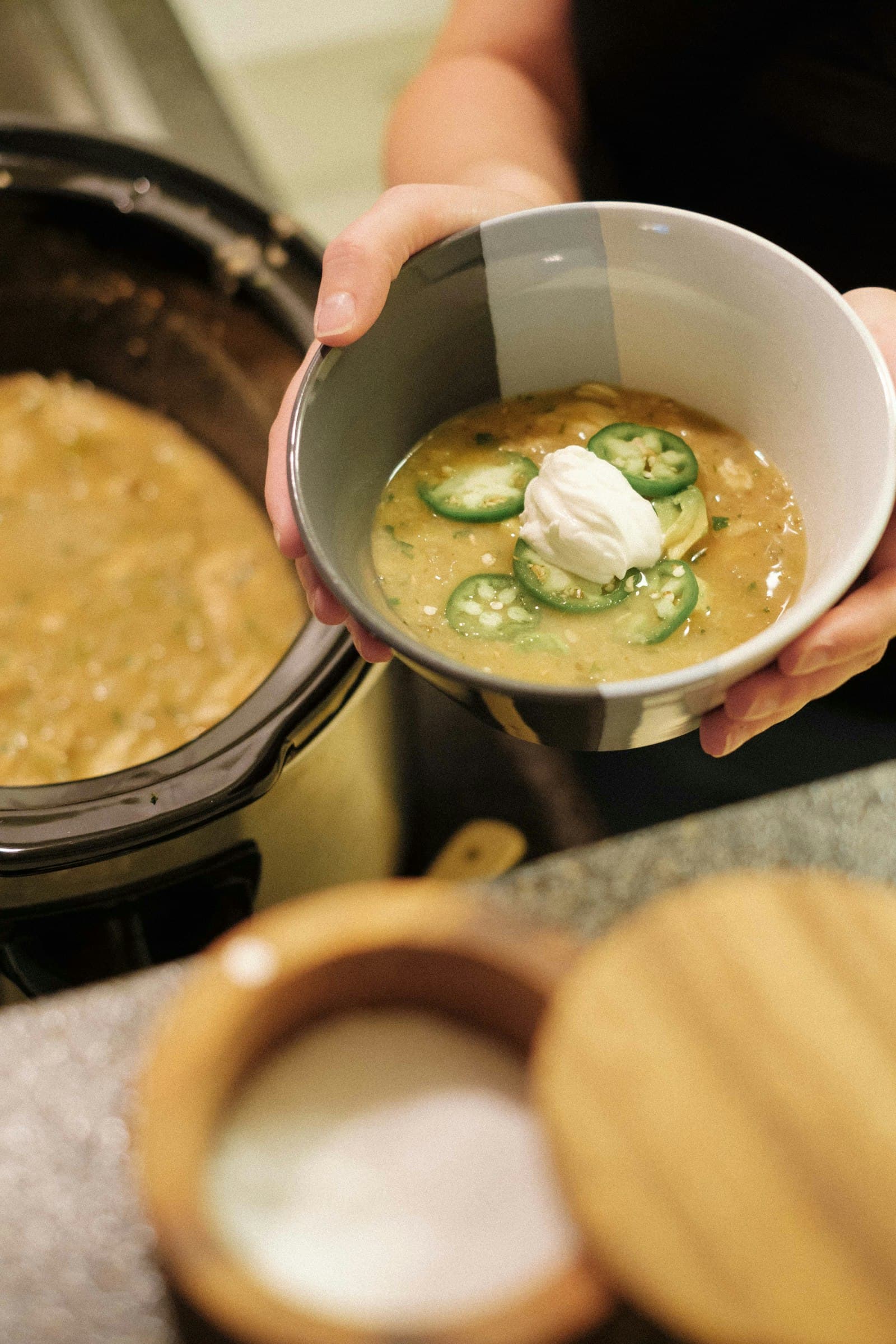
- White chicken chili: WARM keeps the chili hot while you serve.
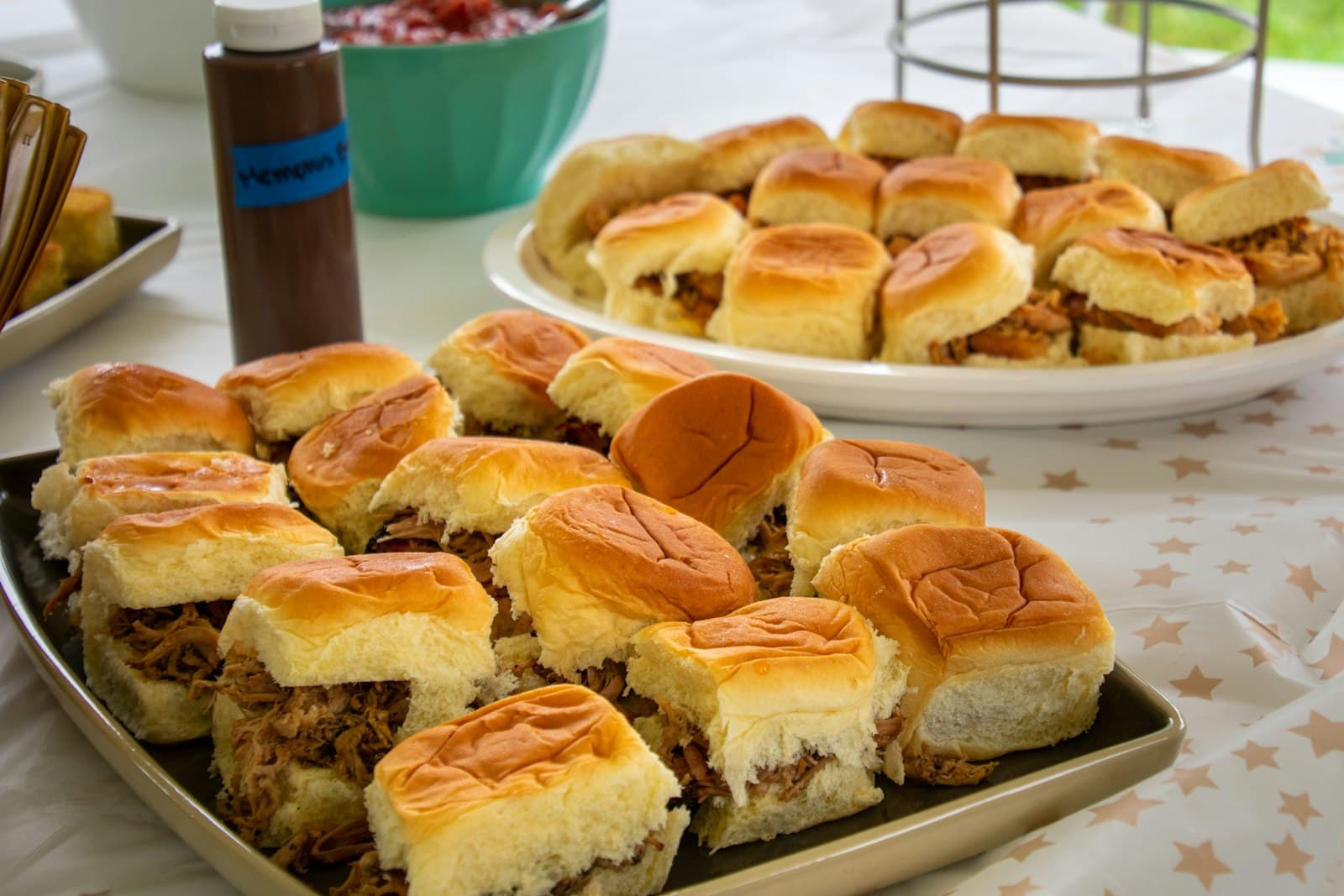
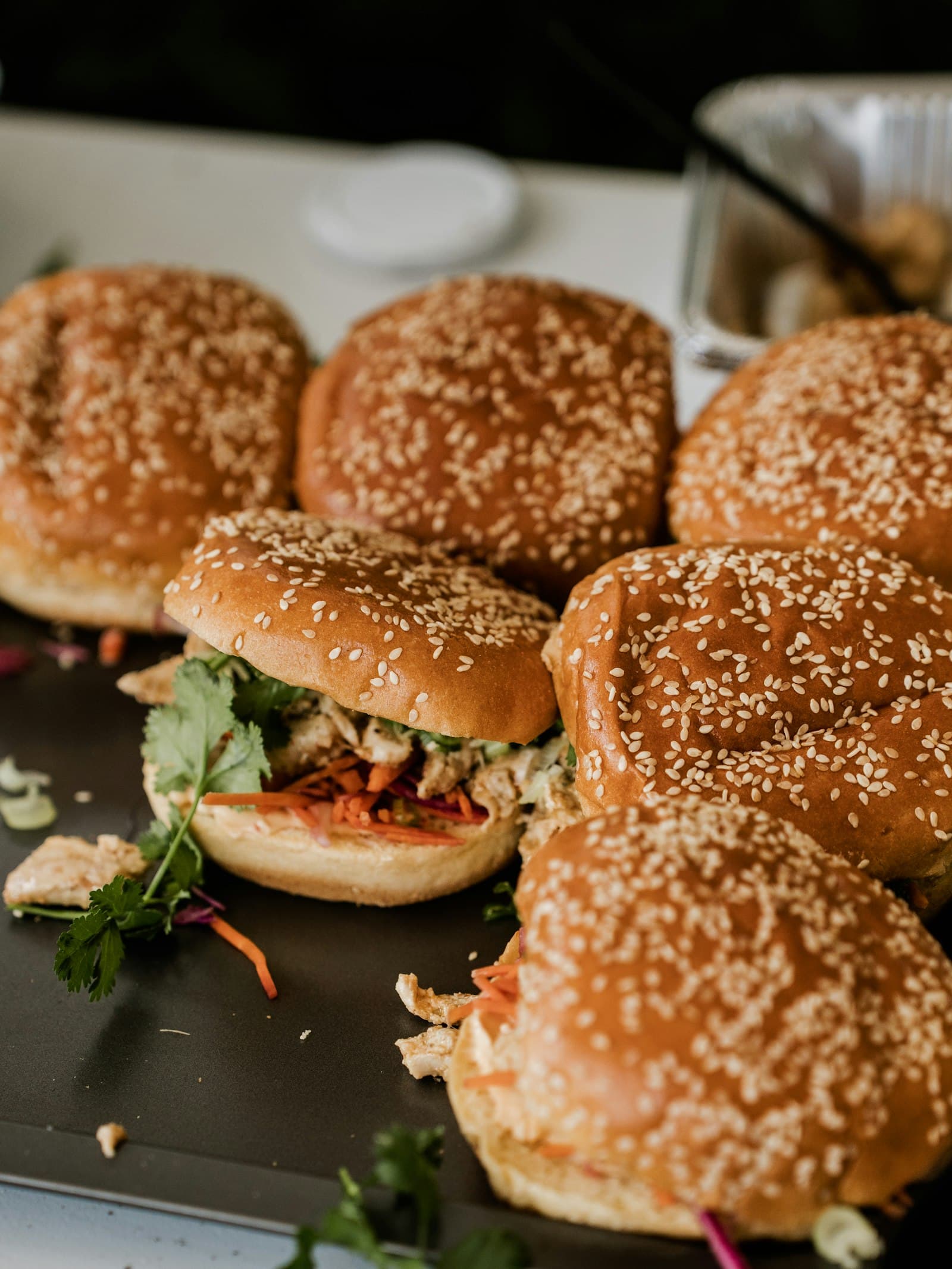
- Pulled pork sliders: for a party, the sauced pork goes back in on WARM so everyone can build their own.
- Italian beef sandwiches: the beef stays on WARM in the skimmed jus while the sandwiches are built.
Only the sweet potato casserole gives a time limit for WARM; in the others, WARM is tied to serving, not to a set number of hours.
How do you know slow-cooked food is done?
Every step gives a cue as well as a time. The times are ranges and slow cookers differ, so the cue decides, and a thermometer in the thickest part is the check for chicken.
- Chicken: the white chicken chili and the chicken and gravy cook until the chicken is tender and reaches 74°C (165°F), the chili adding "in the thickest part." That is the government food safety guidance for chicken pieces: 74°C (165°F). Push the thermometer through the thickest part, all the way to the middle.
- Pork and beef: the steps give no temperature. The pork is done when it is "very tender and pulls apart easily with a fork," and the step adds: "If it resists, give it another hour." The beef cooks until it is "fork-tender and pulls apart easily," then rests for 10 minutes before it is shredded or sliced.
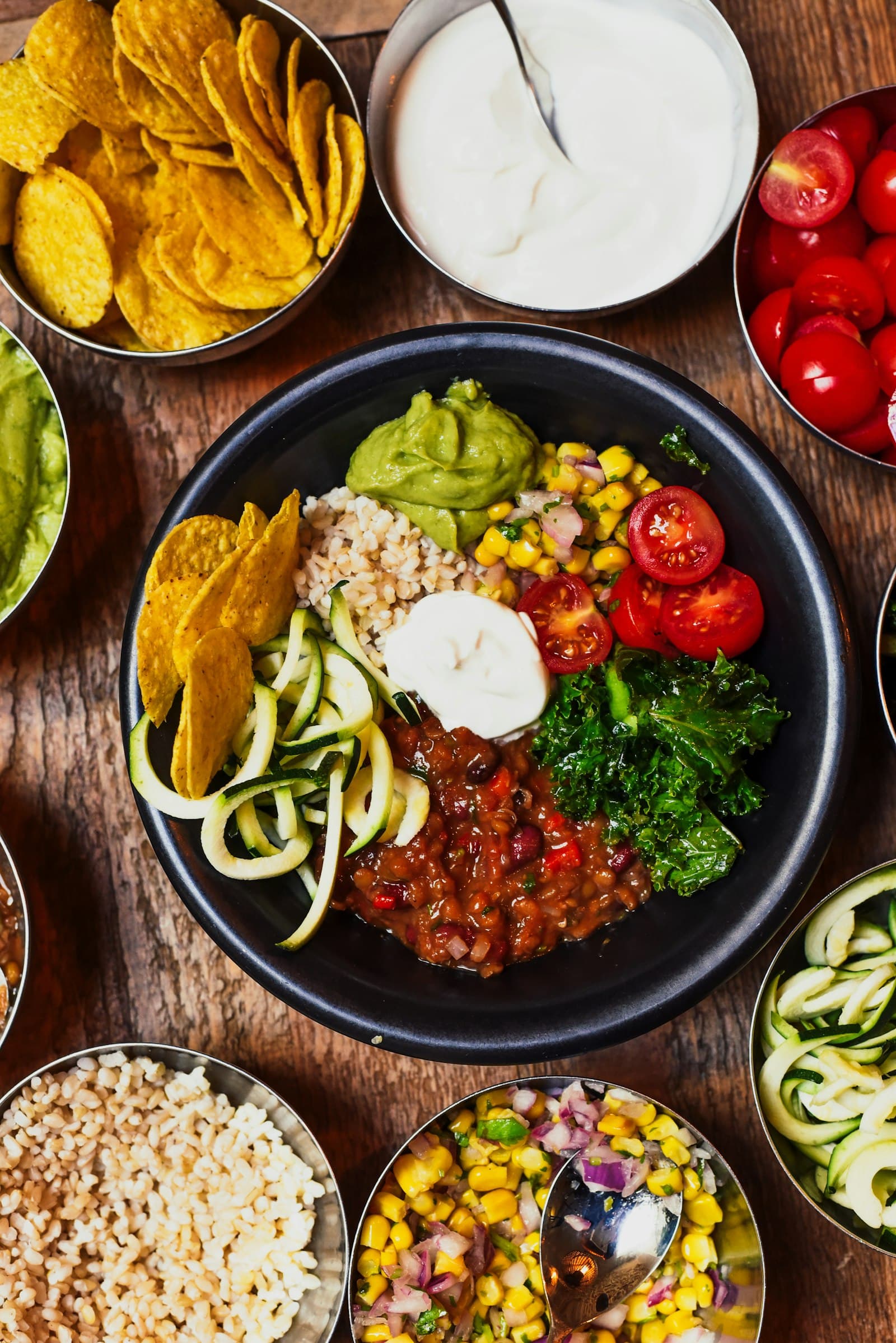
- Vegetables, lentils and dips: the burrito bowls until the onion and pepper are very soft, the soup until the lentils have broken down, the casserole until the sweet potatoes are very soft, the queso until the cheese has completely melted, the bean dip until it is hot and smooth all the way through.
Both dips have a beef variation: 225 g ground beef browned with chili powder and cooked to 71°C (160°F), the government food safety guidance for ground beef, before it is stirred in. The bean dip's version adds that the finished dip should be hot through to 74°C (165°F).
What are common slow cooker mistakes?
Each fix here comes from a recipe's own tip or step, or from the extension pages cited.
- Starting with frozen meat. Clemson's sheet says to defrost meat or poultry before it goes into a slow cooker. The chicken in the white chicken chili, the pork shoulder and the beef chuck roast are all listed as thawed.
- Lifting the lid. The same sheet says to keep the lid in place and remove it only to stir or check for doneness. The queso and the bean dip steps call for stirring, which is that exception.
- Overfilling or underfilling. Clemson's guidance is to fill the cooker no less than half full and no more than two-thirds full. Each recipe lists its cooker size, from 2-4 litre for the dips to 5-6 litre for the pork and beef.
- Adding liquid to the pork. The pulled pork tip says there is no need: the pork releases plenty of juice as it cooks. The apple juice and vinegar go around the meat, not over it, so the rub stays in place.
- Putting the insert under the broiler. The sweet potato casserole's tip says most slow cooker inserts can't go under the broiler, which is why the mash moves to a baking dish. Check your manufacturer's instructions.
Can you reheat leftovers in a slow cooker?
No, by the recipes' own notes. The reheat notes for the queso dip, refried bean dip, white chicken chili and Italian beef all say not to reheat leftovers in the slow cooker. The queso, chili and beef notes give the order instead: heat them first on the stove or in the microwave, then hold them on WARM. Clemson's sheet says reheating leftovers in a slow cooker is not recommended, and Iowa State's advice is the same: reheat on the stovetop or in the microwave, then move the food to the slow cooker to keep warm. Government food safety guidance is to reheat leftovers to 74°C (165°F), the temperature 6 of the 9 reheat notes give.
Each recipe's own storage notes:
The white chicken chili, chicken and gravy and red lentil soup are also in the freezer meals collection. The slow cooker recipes page lists every Savour slow cooker recipe, including ones added after this guide; check each one's slow cook step for its own times.
Sources
- Slow Cooker Food Safety (HGIC 3585), Clemson Cooperative Extension hgic.clemson.edu
- Slow Cooking, Safe Cooking, Iowa State University Extension and Outreach blogs.extension.iastate.edu
- Slow cooker heats up winter meals, University of Missouri Extension extension.missouri.edu
- Safe cooking temperatures canada.ca
- Food safety tips for leftovers canada.ca
Recipes in this post (9)
Frequently Asked Questions
How much longer does LOW take than HIGH in a slow cooker?
A common rule of thumb, given by University of Missouri Extension, is that one hour on high equals two hours on low. Savour's recipes vary around it: the black bean burrito bowls take 6 hours on LOW or 3 hours on HIGH, but the pulled pork sliders and Italian beef sandwiches take 8 to 10 hours on LOW and still 5 to 6 hours on HIGH.
Is it safe to cook on LOW the whole time?
Yes. Clemson University's extension sheet on slow cooker food safety says it is safe to cook foods on low the entire time. It also suggests the highest setting for the first hour where possible, then low or the setting the recipe gives, and says to defrost meat or poultry before it goes in.
Should chicken breasts go on LOW or HIGH in a slow cooker?
Savour's chicken and gravy uses thighs, which its tip says stay moist through the long cook, and its variation for breasts is LOW for 4 hours to keep them from drying out. The white chicken chili takes breasts or thighs, on LOW for 5 to 6 hours or HIGH for 2 to 3. On either setting, chicken is done at 74°C (165°F) in the thickest part.
How long can food stay on the WARM setting?
Of the recipes here, only the sweet potato casserole gives a limit: its mash can sit on WARM for up to 2 hours before it is topped and broiled. The queso dip is stirred every 30 minutes on WARM, with a splash of milk if it thickens. WARM keeps cooked food hot; it does not cook it.
Can you reheat chili in the slow cooker?
Not according to the white chicken chili's reheat note. Reheat it in a pot over medium heat or in the microwave, stirring, until it reaches 74°C (165°F), then hold it on WARM in the slow cooker for serving.
More from the blog
Recipe roundups
Slow Cooker Recipes With 10 Minutes of Prep or Less, Compared
12 slow cooker recipes with 10 minutes prep or less, compared on cooking time, LOW or HIGH setting, servings, calories and the step each leaves for the end.
9 min read
Meal plans
Slow Cooker Meal Plan for a Busy Week, With a Shopping List
A 5-dinner slow cooker meal plan matched to your week by time on LOW, from 8 to 10 hours down to 6, with night-before prep and one shopping list.
10 min read
Ingredient guides
Chicken Thighs Instead of Breasts? Swap Times From 11 Savour Recipes
Chicken thighs instead of breasts, or the reverse: the cut swap, amount and new cooking time written into 11 Savour recipes, from teriyaki to coq au vin.
8 min read