Chicken Cacciatore
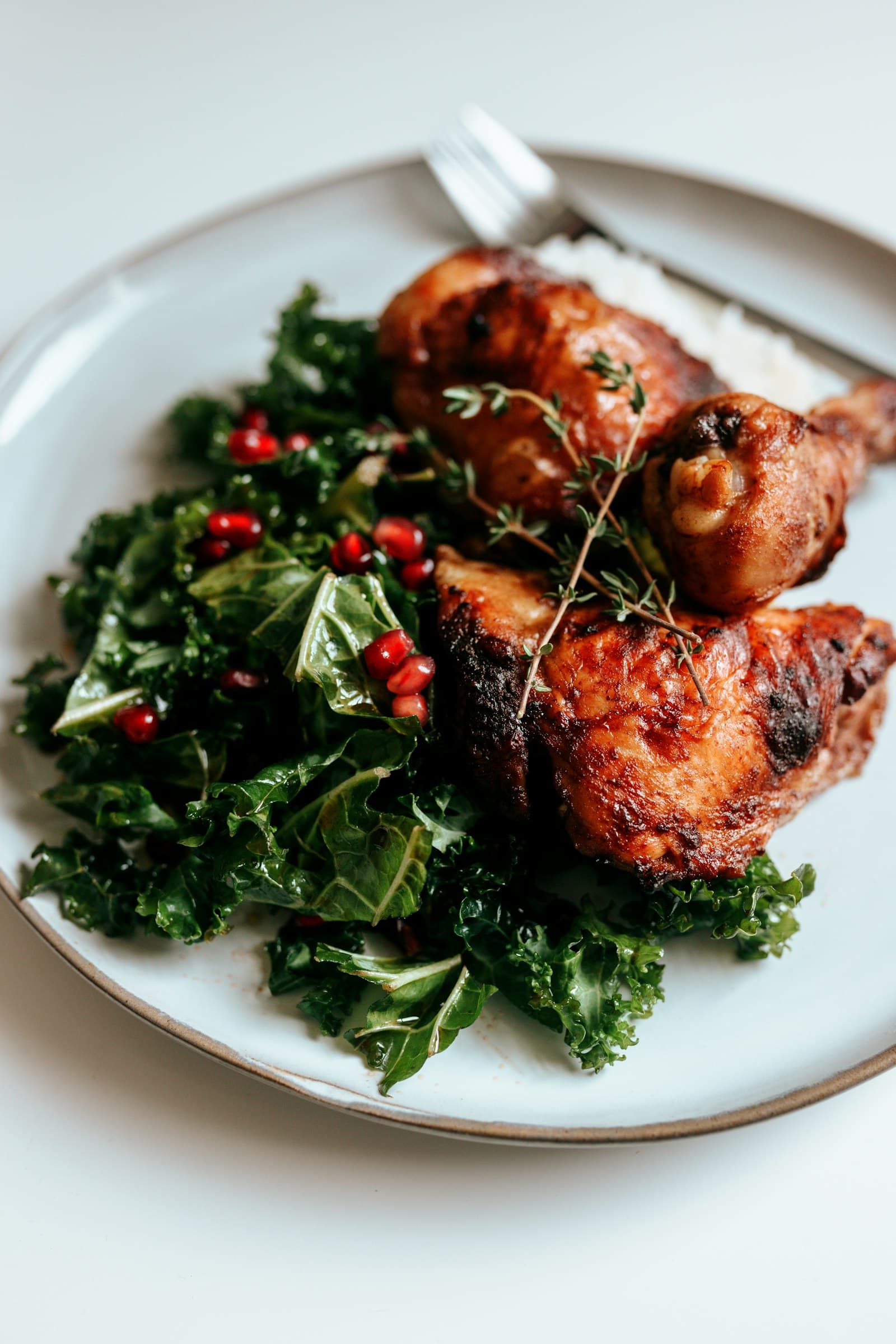
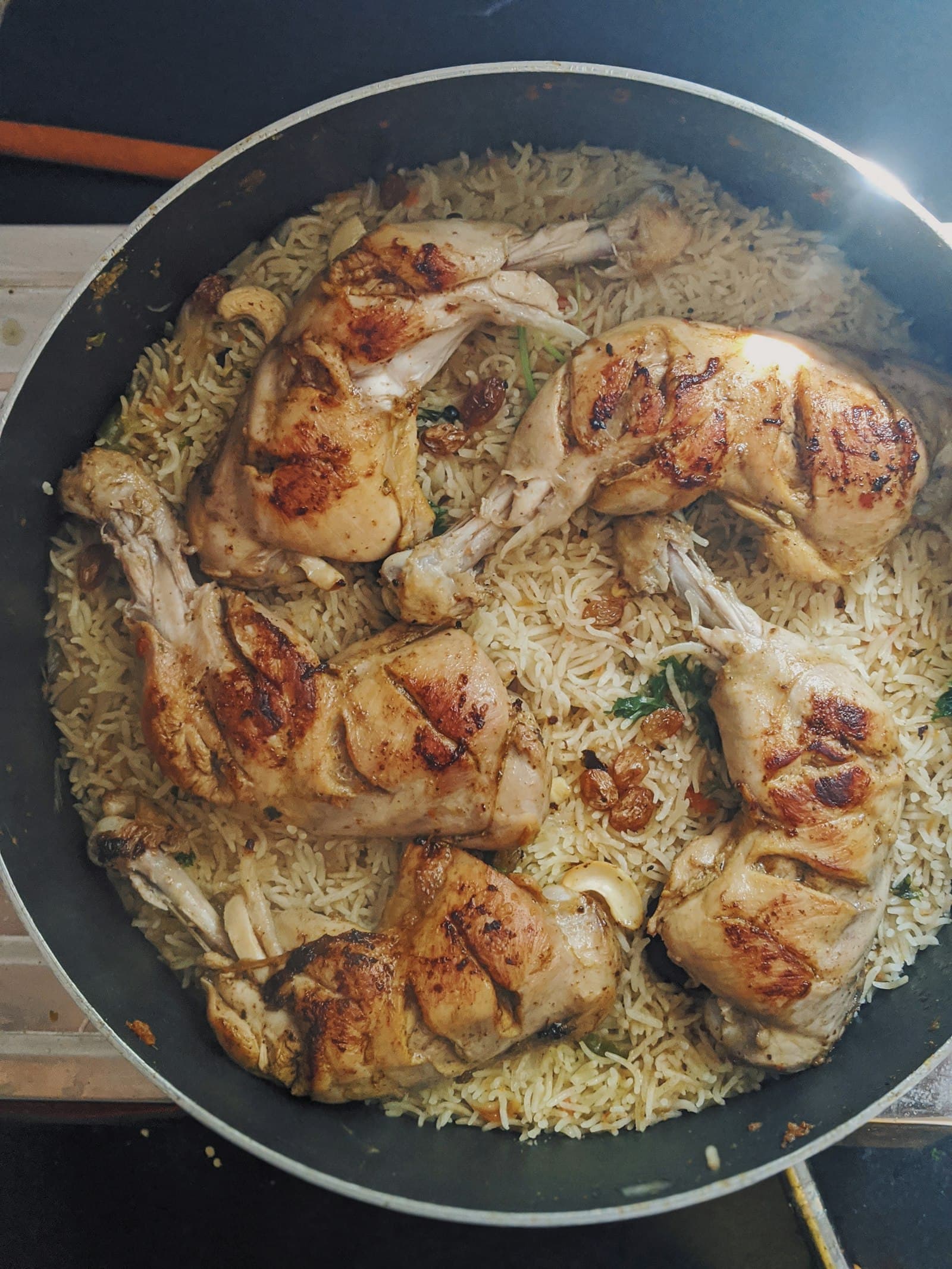
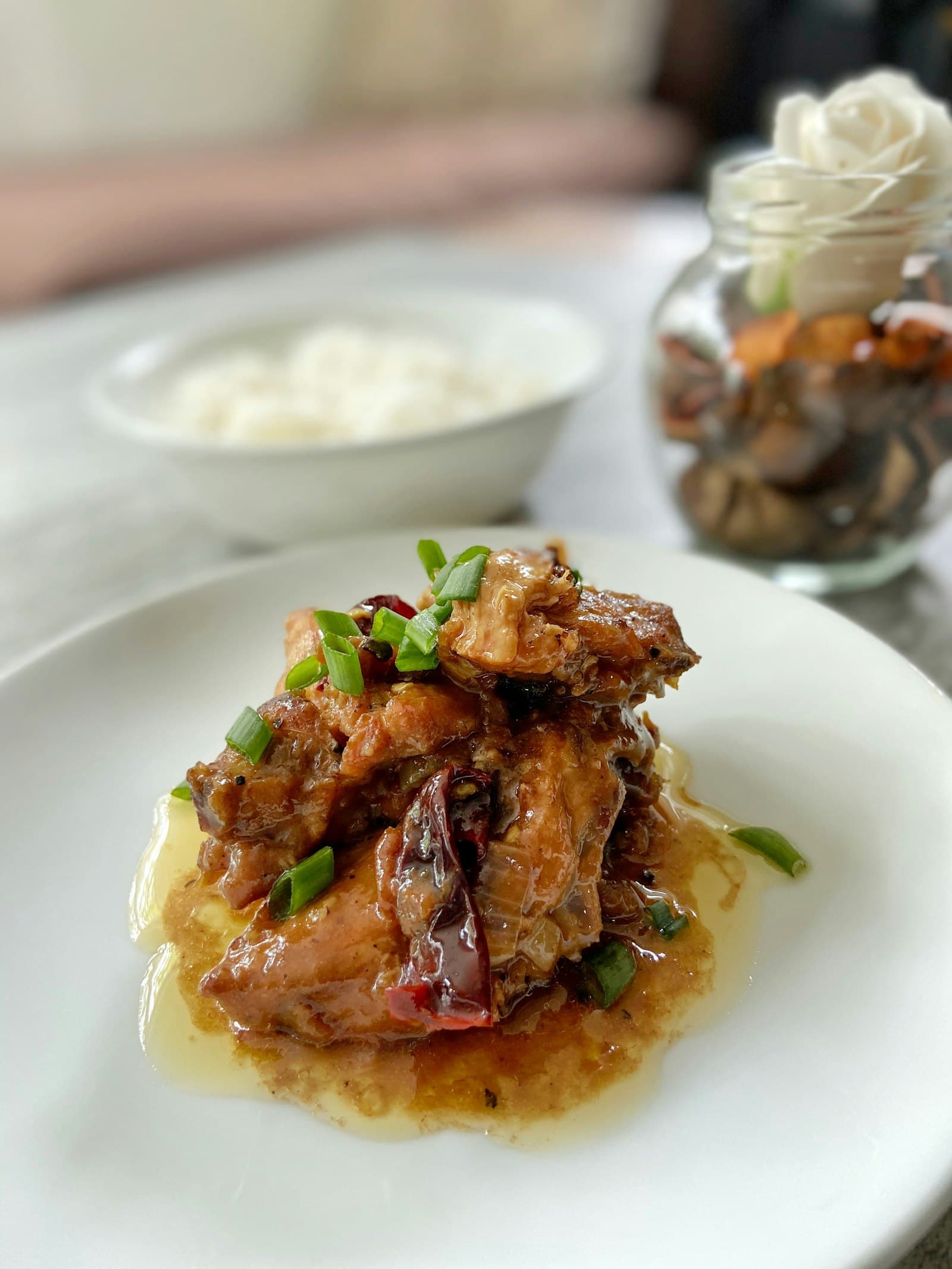
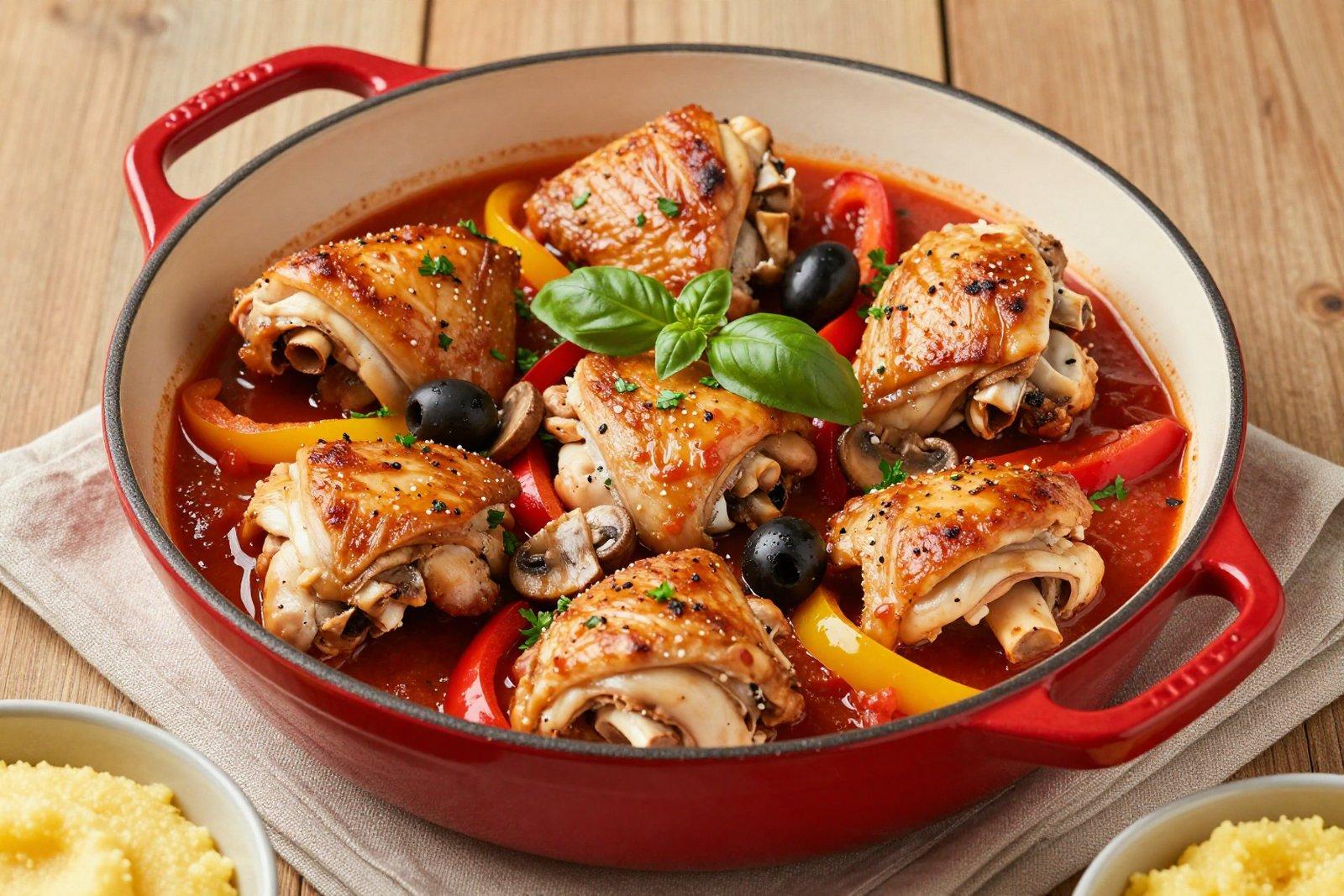
Chicken cacciatore, hunter-style chicken in Italian, braises chicken in a rustic sauce of tomatoes, sweet peppers, mushrooms, garlic and herbs. Bone-in, skin-on thighs suit it best: the skin browns well at the start, and the meat stays moist through 40-45 minutes of gentle simmering while the sauce thickens around it. Everything cooks in one pot, and it keeps for 4 days in the fridge, so it can be made a day ahead.
By Priya Raman
Published
- Prep Time
- 15 mins
- Cook Time
- 1 hr 15 mins
- Total Time
- 1 hr 30 mins
- Servings
- 4 servings
How do you make Chicken Cacciatore?
Brown 8 bone-in, skin-on chicken thighs in a Dutch oven, then soften sliced onion, peppers and mushrooms in the fat with garlic, oregano and rosemary. Reduce 125 ml white wine, add 800 g canned tomatoes and return the chicken skin side up. Simmer covered for 30 minutes, then uncovered for 10-15 minutes, until the thighs reach 74°C (165°F).
- Total time
- 1 hr 30 mins
- Calories
- 555 per serving
- Protein
- 45 g
- Yield
- 4 servings
- Difficulty
- Easy
- Method
- Braising
Ingredients
Chicken
Sauce
Equipment
Large Dutch oven or deep 30 cm (12 inch) skillet with a lid · Tongs · Wooden spoon · Instant-read thermometer
Quick Directions
Season the chicken
Pat the chicken thighs dry with paper towels, trim off any large flaps of loose skin and season all over with the salt and pepper.
Brown the chicken
Brown the thighs in 2 batches, mostly skin side down.
Cook the vegetables
Pour off all but about 2 tbsp of the fat.
Add the wine and tomatoes
Pour in the wine and scrape up the browned bits from the bottom of the pot.
Braise
Simmer covered for 30 minutes, then uncovered for 10-15 minutes, until the chicken reaches 74°C (165°F).
Finish and serve
Remove the bay leaf, taste the sauce and add salt if needed.
Step-by-Step Instructions
Every step for making chicken cacciatore, written out in full.
Season the chicken
Pat the chicken thighs dry with paper towels, trim off any large flaps of loose skin and season all over with the salt and pepper.
Brown the chicken
Heat the olive oil in a large Dutch oven or deep skillet over medium-high heat. Add half the thighs skin side down and cook without moving them for 6-7 minutes, until the skin is deep golden and releases easily from the pan. Turn and brown the other side for 1-2 minutes, then move the thighs to a plate. Repeat with the rest.
Cook the vegetables
Pour off all but about 2 tbsp of the fat. Lower the heat to medium, add the onion, peppers and mushrooms with a pinch of salt and cook for 8-10 minutes, stirring now and then, until the mushrooms have released their liquid and the vegetables are soft and starting to brown. Stir in the garlic, tomato paste, oregano, rosemary and red pepper flakes and cook for 1 minute.
Add the wine and tomatoes
Pour in the wine and scrape up the browned bits from the bottom of the pot. Simmer for 2-3 minutes, until reduced by about half. Add the tomatoes, crushing them with your hand or a spoon as they go in, then the bay leaf and olives, and bring to a simmer.
Braise
Return the chicken and any juices from the plate to the pot, skin side up, nestling the thighs into the sauce so the skin stays above it. Cover, turn the heat to low and simmer gently for 30 minutes. Uncover and simmer for 10-15 minutes more, until the sauce has thickened and the chicken is very tender. The thickest thigh must read at least 74°C (165°F) with the thermometer not touching the bone; thigh meat keeps getting more tender up to about 85°C (185°F).
Finish and serve
Remove the bay leaf, taste the sauce and add salt if needed. Scatter with parsley or basil and serve with soft polenta, mashed potatoes, pasta or crusty bread to soak up the sauce.
Recipe Tips
- Brown the skin well before braising. The rendered fat flavours the vegetables, and skin that starts out crisp holds up better above the sauce.
- Keep the skin above the sauce and finish the braise uncovered. Skin that sits under the sauce turns soft.
- If the sauce is still thin when the chicken is done, lift the thighs out and simmer the sauce uncovered for a few minutes more. Mushrooms and canned tomatoes vary in how much liquid they release.
- Made a day ahead, the sauce has more time to mellow. Chill it, lift off any fat that sets on top, and reheat it gently.
Variations
- Red wine: use dry red wine instead of white for a darker, deeper sauce.
- Without wine: replace it with 125 ml chicken stock plus 1 tbsp red or white wine vinegar. Check that the stock is labelled gluten-free if you need the dish to be.
- Boneless thighs: use 900 g boneless, skinless thighs, brown them for 3-4 minutes per side and braise for 20-25 minutes in total, until they reach 74°C (165°F).
- Briny: add 1 tbsp drained capers with the olives for a sharper sauce.
Nutrition (per serving)
| Calories | 555 |
|---|---|
| Protein | 45 g |
| Carbs | 21 g |
| Fat | 32 g |
| Saturated fat | 8.5 g |
| Fibre | 5 g |
| Sugar | 11 g |
| Sodium | 1390 mg |
Estimated from the listed ingredients; values vary by brand.
Related Recipes
Storing & Reheating
- Fridge
- Refrigerate within 2 hours in an airtight container for up to 4 days.
- Freezer
- Freeze the chicken in its sauce for up to 3 months. Thaw overnight in the fridge.
- Reheat
- Reheat in a covered pot over medium-low heat, stirring the sauce now and then, until the chicken is hot to 74°C (165°F) in the centre.
Chicken Cacciatore FAQs
What does cacciatore mean?
Cacciatore means hunter in Italian, so chicken cacciatore, or pollo alla cacciatora, is hunter-style chicken. Recipes vary by region and by family: some use red wine and some white, and some leave out tomatoes. This version braises bone-in thighs with tomatoes, peppers, mushrooms, garlic, herbs and white wine.
Can I use chicken breasts for chicken cacciatore?
Yes, but bone-in, skin-on breasts work better than boneless ones. Brown them the same way, then braise for 25-30 minutes, until they reach 74°C (165°F), and take them out as soon as they do. Breast meat turns dry and stringy if it braises as long as thighs.
Can I make chicken cacciatore without wine?
Yes. Replace the 125 ml white wine with the same amount of chicken stock plus 1 tbsp red or white wine vinegar, which adds back some of the wine's acidity. Check that the stock is labelled gluten-free if you are cooking for someone who avoids gluten.
What do you serve with chicken cacciatore?
Something to soak up the sauce: soft polenta, mashed potatoes, buttered pasta, rice or crusty bread. A green salad or sautéed greens on the side balances the rich tomato sauce.
Can you freeze chicken cacciatore?
Yes. Cool it, then freeze the chicken in its sauce in airtight containers for up to 3 months. Thaw it overnight in the fridge and reheat it gently in a covered pot until the chicken is hot to 74°C (165°F). The peppers soften a little more, but the sauce holds up well.
Is chicken cacciatore gluten-free?
This recipe is. The chicken is browned without a flour coating, and wine, canned tomatoes, vegetables and herbs are naturally gluten-free. Serve it with polenta, potatoes or rice rather than pasta or bread to keep the whole meal gluten-free.
Disclaimer
- Nutrition information is an estimate based on the listed ingredients. It changes with the brands, portion sizes and swaps you use.
- Read ingredient labels for allergens and for diet claims such as gluten-free or vegan. Products and their ingredients can change.
- Cooking times are a guide, since ovens, air fryers and slow cookers all run differently. Use a food thermometer and cook meat, poultry and fish to the safe internal temperatures in government food safety guidance.
- This recipe is general information, not medical or nutrition advice. If you have an allergy, a health condition or a special diet, check with a qualified health professional.