Jamaican Brown Stew Chicken
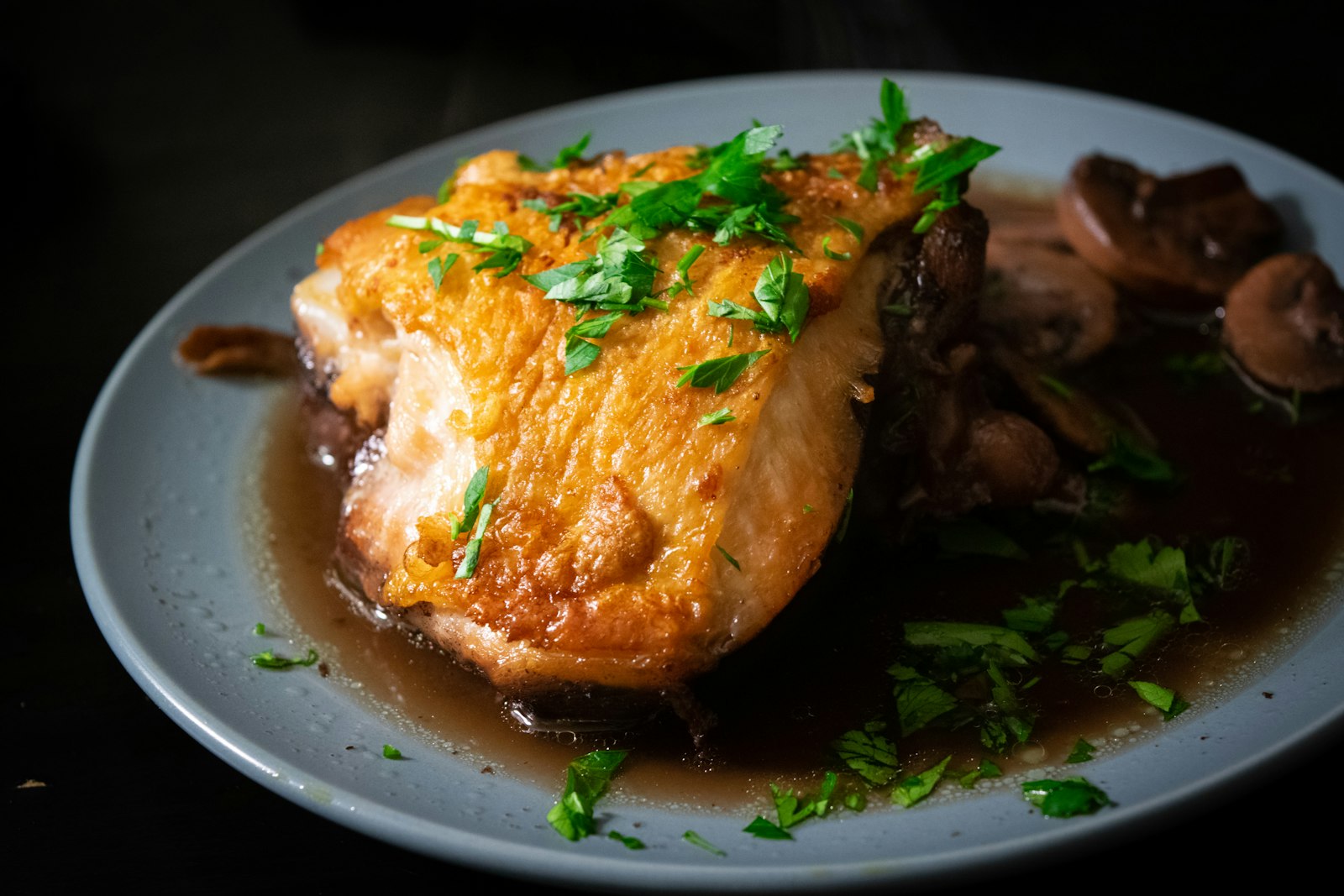
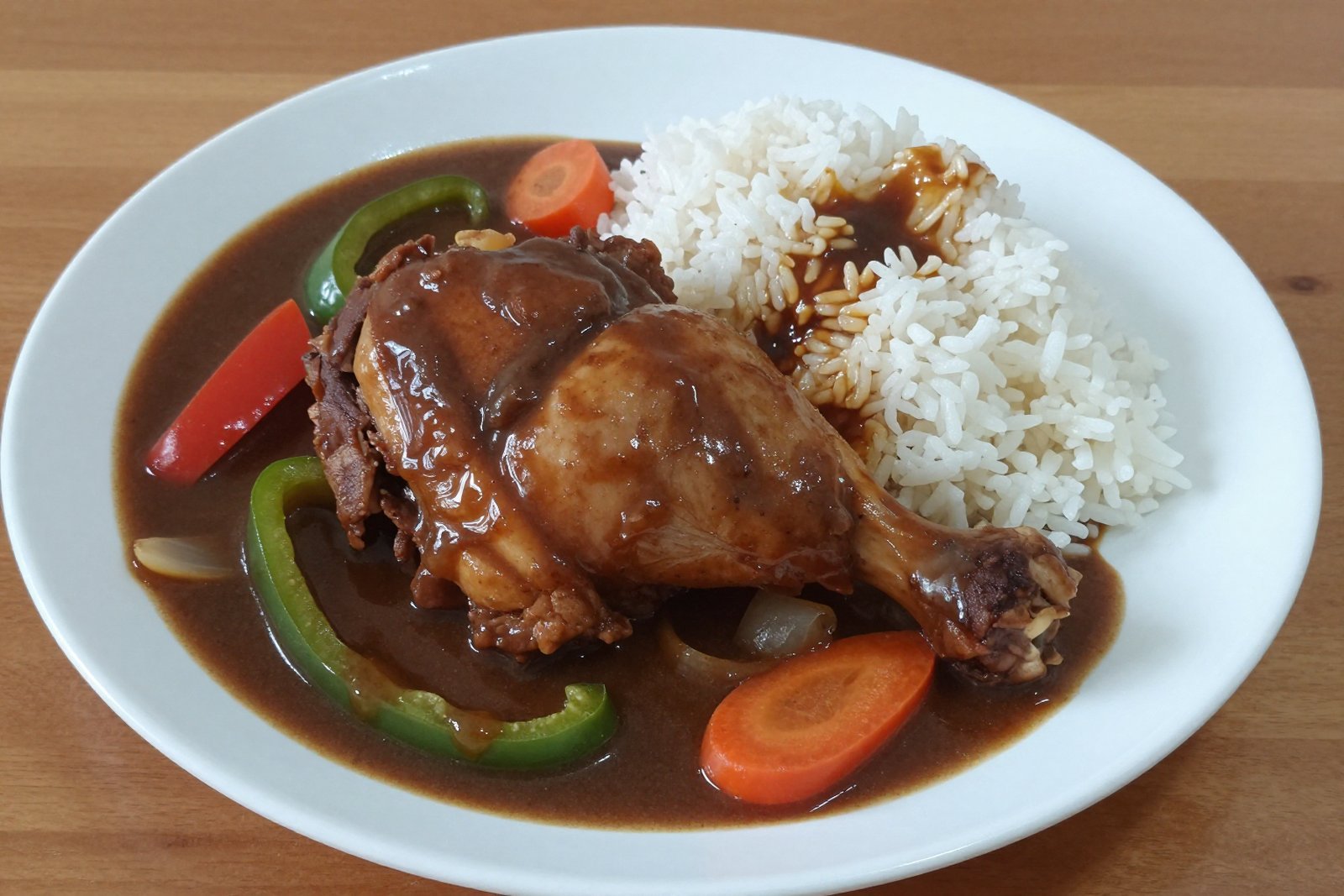
Brown stew chicken takes its name and its colour from the first stage of cooking: seasoned chicken fried in hot oil until every side is deep brown, before any liquid touches the pot. In Jamaica it is everyday home cooking and a common Sunday dinner, usually served with rice and peas. After the frying, the chicken stews with onion, bell pepper, carrot, tomato, thyme and a whole Scotch bonnet until the gravy turns dark and glossy. This version uses skinless bone-in thighs and drumsticks and a little bottled browning sauce, with a caramelized brown sugar method for cooks who cannot buy it.
By Priya Raman
Published
- Prep Time
- 25 mins
- Cook Time
- 1 hr 5 mins
- Marinate
- 1 hr
- Total Time
- 2 hrs 30 mins
- Servings
- 4 servings
How do you make Jamaican Brown Stew Chicken?
Skin 1.2 kg bone-in chicken thighs and drumsticks, rub them with garlic, green onion, thyme, allspice, soy sauce and 2 tsp browning sauce and refrigerate for 1 hour. Scrape off the seasoning, fry the chicken in 2 batches until deep brown, then stew it with onion, bell pepper, carrot, tomato, ketchup, 375 ml water and a whole Scotch bonnet for about 40 minutes, until it reaches 74°C (165°F).
- Total time
- 2 hrs 30 mins
- Calories
- 370 per serving
- Protein
- 39 g
- Yield
- 4 servings
- Difficulty
- Easy
- Method
- Braising
Ingredients
Seasoned chicken
Stew
To serve
Equipment
Large bowl · Dutch oven or heavy pot with a lid (about 5 litre) · Tongs · Paper towels · Instant-read thermometer
Step-by-Step Instructions
Every step for making jamaican brown stew chicken, written out in full.
Season the chicken
Pull the skin off the chicken and trim any loose fat. Cut 2 shallow slashes into the meaty side of each piece. In a large bowl, rub the chicken with the garlic, green onions, thyme leaves, allspice, black pepper, salt, soy sauce and browning sauce until it is evenly dark. Cover and refrigerate for at least 1 hour, or overnight.
Scrape and dry
Scrape the bits of garlic and green onion off each piece back into the bowl and keep the bowl beside the stove: that seasoning goes into the stew later. Pat the chicken dry with paper towels. Loose seasoning burns in hot oil, and wet chicken spits and steams instead of browning.
Brown the chicken
Heat the oil in a Dutch oven or heavy pot over medium-high heat until it shimmers, about 2 minutes. Fry the chicken in 2 batches, 3-4 minutes per side, until deep brown all over. Lower the heat a little if the pot starts to smoke. Move each batch to a clean plate. The chicken is not cooked through at this point.
Cook the vegetables
Spoon off all but about 1 tbsp of the oil into a heatproof bowl and set the pot over medium heat. Add the onion, bell pepper, carrot and the seasoning left in the marinade bowl. Cook for 4-5 minutes, stirring and working the browned bits off the bottom of the pot, until the onion softens. Stir in the tomato and ketchup and cook for 1 minute.
Stew the chicken
Return the chicken to the pot with any juices from the plate. Pour in the hot water, which should come about halfway up the chicken, and add the thyme sprigs and the whole Scotch bonnet. Once it boils, drop the heat to low, put the lid on and simmer for 30 minutes, turning the pieces once.
Reduce the gravy
Uncover, raise the heat to medium and simmer for 10-12 minutes, spooning the gravy over the chicken now and then, until it is glossy and thick enough to coat a spoon. Check the thickest thigh with an instant-read thermometer, close to the bone but not touching it: it should read at least 74°C (165°F).
Serve
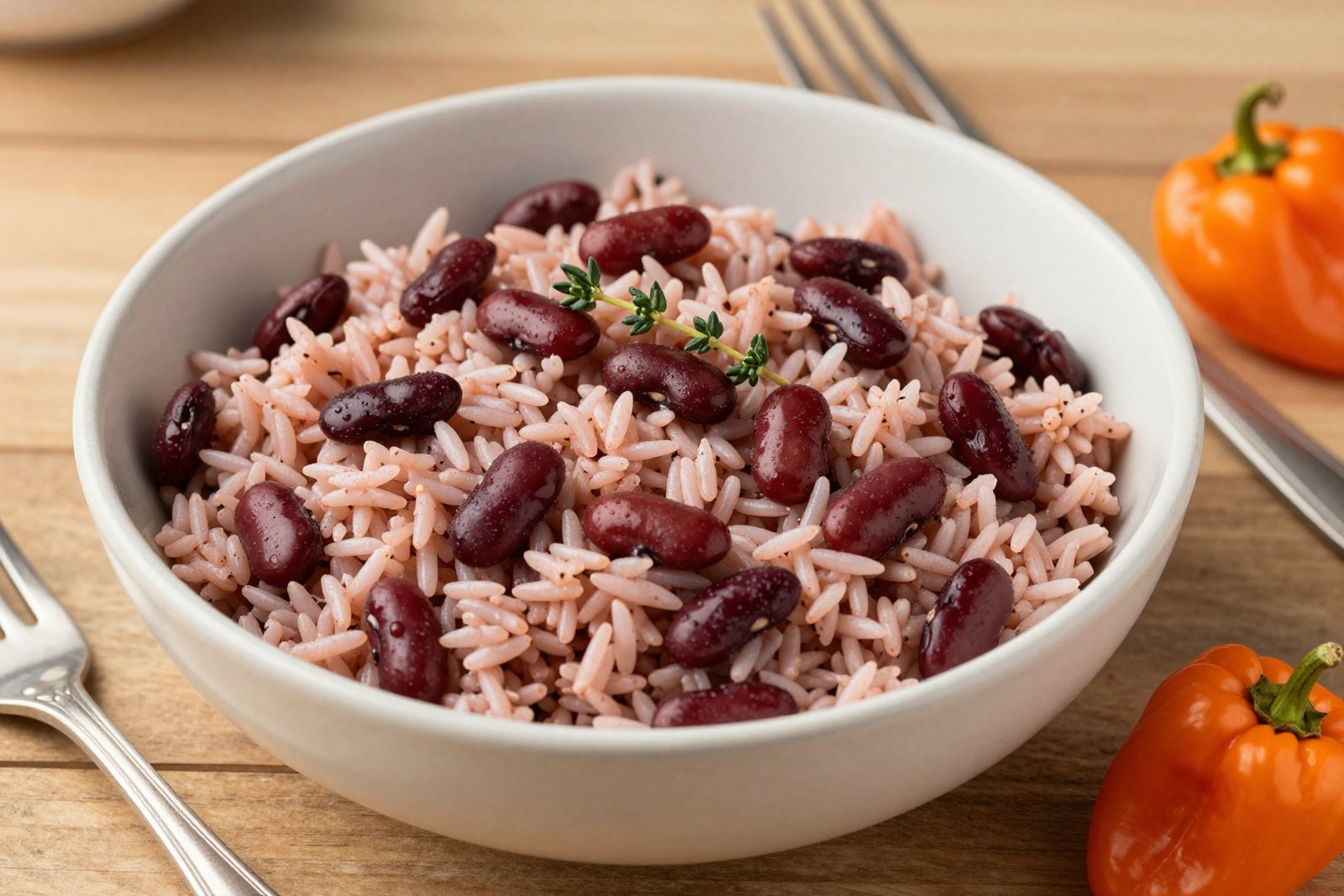
Take out the Scotch bonnet and the thyme stems. Taste the gravy and add salt if needed. Serve the chicken with rice and peas or plain white rice, and spoon the gravy and vegetables over the top.
Recipe Tips
- Give the frying its full time, since it is the step the dish is named for. Crowded chicken steams, which is why it goes into the pot in 2 batches.
- Measure the browning sauce instead of pouring it from the bottle. It is concentrated burnt sugar, so too much makes the gravy bitter, and 2 tsp is enough to colour this amount of chicken.
- Check the Scotch bonnet for splits before it goes in, and stir around it. Whole, it adds aroma and only a little heat; if it bursts, the stew turns very hot. Wear gloves to handle a pepper that has been cut.
- For a thicker gravy, mix 1 tsp cornstarch with 1 tbsp cold water, stir it in at the end and boil for 1 minute.
- Like most stews, this one can be cooked a day ahead, which gives the seasoning more time to work into the meat.
Variations
- Without browning sauce: leave it out of the seasoning. Before frying, heat 2 tbsp of the oil over medium heat, sprinkle in 1 tbsp brown sugar and let it melt, froth and darken to a deep reddish brown, about 2 minutes. If it turns black and smells burnt, wipe out the pot and start again. Add all the dried chicken at once, standing back because it spits, and turn the pieces in the caramel for 8-10 minutes, until they are coated and brown. Lift the chicken out and carry on with the vegetables without spooning anything off, because the dark juices left in the pot colour the gravy.
- Boneless thighs: use 800 g boneless, skinless thighs, fry them for 2-3 minutes per side and simmer covered for 15 minutes before reducing the gravy. Cook to 74°C (165°F).
- Gluten-free: swap the soy sauce for a tamari labelled gluten-free, and check the labels on the ketchup and the browning sauce, or use the brown sugar method above in place of the browning sauce.
Nutrition (per serving)
| Calories | 370 |
|---|---|
| Protein | 39 g |
| Carbs | 16 g |
| Fat | 16 g |
| Saturated fat | 4 g |
| Fibre | 3 g |
| Sugar | 8 g |
| Sodium | 920 mg |
Estimated from the listed ingredients; values vary by brand.
Related Recipes
Storing & Reheating
- Fridge
- Refrigerate within 2 hours, with the chicken sitting in its gravy in a sealed container, and eat within 4 days.
- Freezer
- Freeze the chicken in its gravy for up to 3 months. The peppers and carrot soften, but the stew reheats as a complete dish. Thaw overnight in the fridge.
- Reheat
- Warm the chicken and gravy gently in a lidded pot, loosening the gravy with a little water if it has set, until the meat is steaming hot and 74°C (165°F) at the bone.
Jamaican Brown Stew Chicken FAQs
What is browning sauce?
Browning sauce is a thick, almost black liquid made mostly from sugar that has been caramelized until very dark. It is sold in small bottles in Caribbean grocery shops and in many supermarkets, and cooks use it by the teaspoon to colour stews and gravies. It tastes faintly bittersweet, not sweet, and it is not the same thing as soy sauce or gravy granules.
Can I make brown stew chicken without browning sauce?
Yes. Much of the colour comes from frying the chicken until it is deeply browned, and there is a second method that needs no bottle: melt 1 tbsp brown sugar in the hot oil until it is a deep reddish brown, then turn the chicken in it until every piece is coated. The stew will be a shade lighter than one made with bottled browning sauce.
Why is it called brown stew chicken?
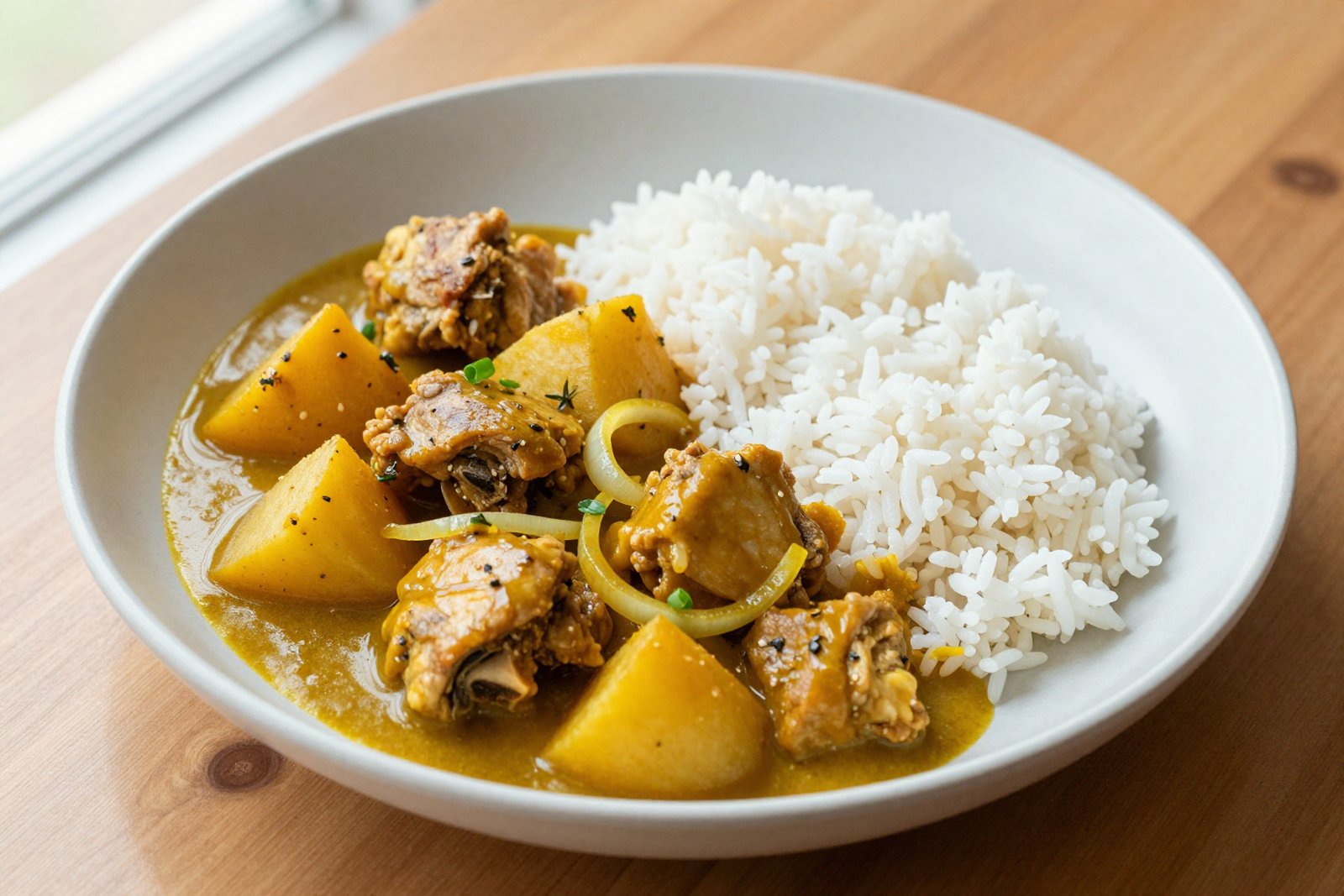
The name describes the method. The chicken is fried in oil until brown, then stewed, and that frying, helped by a little browning sauce or caramelized sugar, colours both the meat and the gravy. It sets the dish apart from Jamaica's yellow curry chicken and from jerk chicken, which is grilled or roasted dry instead of stewed.
Do you take the skin off chicken for brown stew?
This recipe does. Skin turns soft and fatty during 40 minutes in gravy, while skinless pieces take up the seasoning and brown directly on the meat. To keep the skin on, fry the pieces skin side down first until the fat renders and the skin crisps, then spoon off the extra fat before the vegetables go in.
Does brown stew chicken freeze well?
Yes. Pack the cooled chicken with its gravy in airtight containers and freeze for up to 3 months. Thaw it in the fridge overnight, then warm it in a covered pot until steaming hot and 74°C (165°F). The vegetables are softer after freezing, but the gravy holds together.
Disclaimer
- Nutrition information is an estimate based on the listed ingredients. It changes with the brands, portion sizes and swaps you use.
- Read ingredient labels for allergens and for diet claims such as gluten-free or vegan. Products and their ingredients can change.
- Cooking times are a guide, since ovens, air fryers and slow cookers all run differently. Use a food thermometer and cook meat, poultry and fish to the safe internal temperatures in government food safety guidance.
- This recipe is general information, not medical or nutrition advice. If you have an allergy, a health condition or a special diet, check with a qualified health professional.