Shrimp Pad Thai
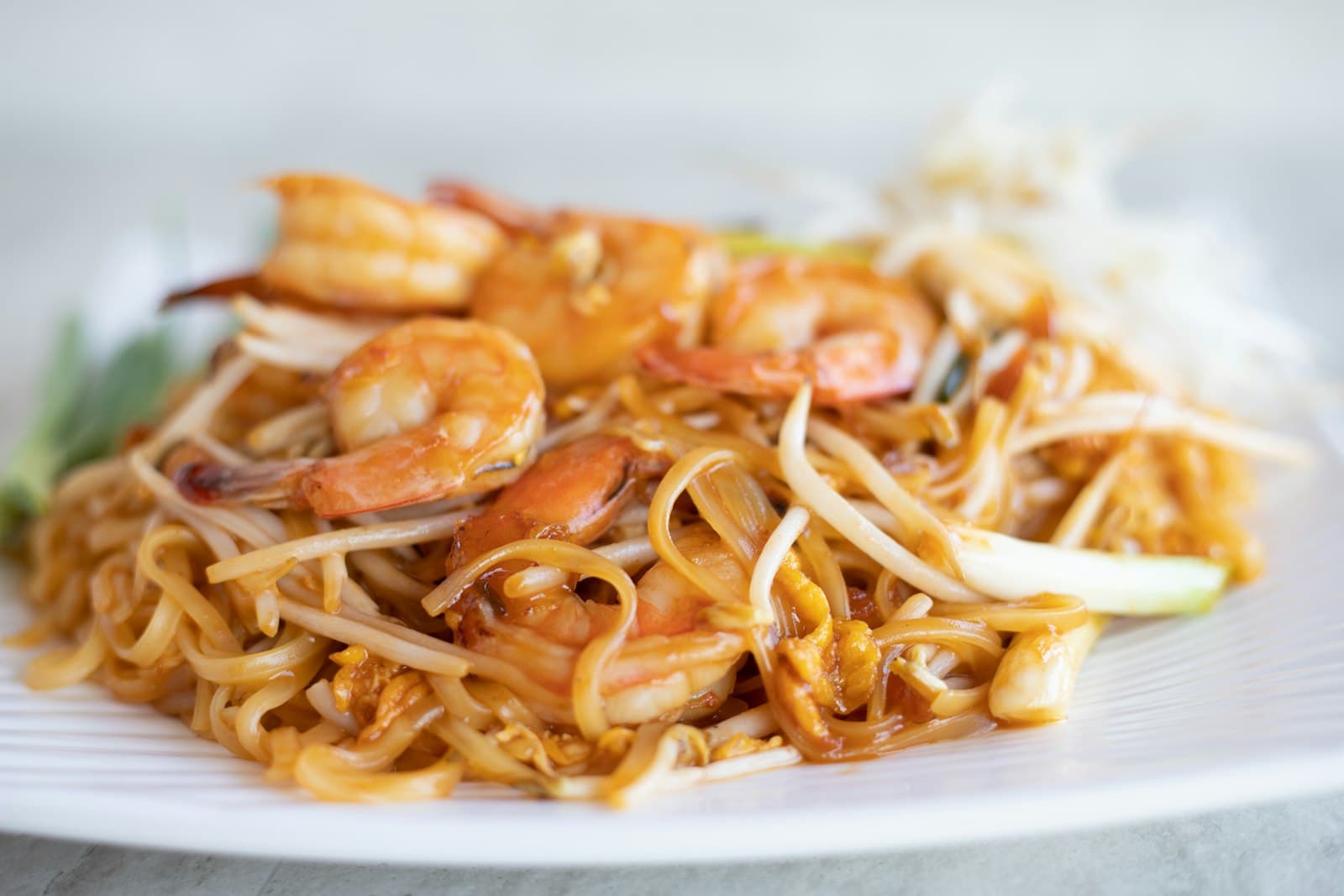
Good pad thai balances three flavours at once: sour tamarind, salty fish sauce and sweet palm sugar. Get that sauce right and the rest is fast. Soaked rice noodles, shrimp, tofu and egg are stir-fried in two quick batches so the noodles turn chewy and glossy rather than gummy. It is a simplified home version that leaves out a couple of specialist street-food extras.
By Mei Lin Tan
Published
- Prep Time
- 25 mins
- Cook Time
- 15 mins
- Total Time
- 40 mins
- Servings
- 4 servings
How do you make Shrimp Pad Thai?
Soak 250 g flat rice noodles in warm water for 20-30 minutes and mix a sauce of tamarind, fish sauce and brown sugar. Sear 400 g shrimp until pink and opaque. Stir-fry garlic, shallot and tofu, add the noodles and sauce and toss until soft. Scramble in the eggs, then return the shrimp with bean sprouts and green onions and serve with peanuts and lime.
- Total time
- 40 mins
- Calories
- 675 per serving
- Protein
- 38 g
- Yield
- 4 servings
- Difficulty
- Medium
- Method
- Stir-frying
Ingredients
Sauce
Noodles
To serve
Equipment
Wok or large skillet (30 cm) · Large bowl for soaking · Small bowl · Tongs or two spatulas
Quick Directions
Soak the noodles
Soak the rice noodles in warm water for 20-30 minutes until pliable.
Mix the sauce
Mix the tamarind, fish sauce and sugar until dissolved.
Cook the shrimp
Sear the shrimp until pink and opaque, then set aside.
Stir-fry the noodles
Stir-fry half the aromatics and tofu, then toss in half the noodles and sauce.
Add the eggs
Push the noodles to one side of the pan.
Finish and serve
Toss in the shrimp, sprouts and green onions; repeat, then top with peanuts and lime.
Step-by-Step Instructions
Follow these detailed steps to make the perfect shrimp pad thai.
Soak the noodles
Put the noodles in a large bowl and cover with warm tap water. Soak for 20-30 minutes, until they bend easily but still feel firm in the centre. Drain well. They finish cooking in the pan, so don't let them get soft at this stage.
Mix the sauce
Stir the tamarind, fish sauce, sugar and chili flakes together in a small bowl until the sugar dissolves, warming it in the microwave for 20 seconds if the sugar is stubborn. Taste it: it should be sour, salty and sweet in roughly equal measure.
Cook the shrimp
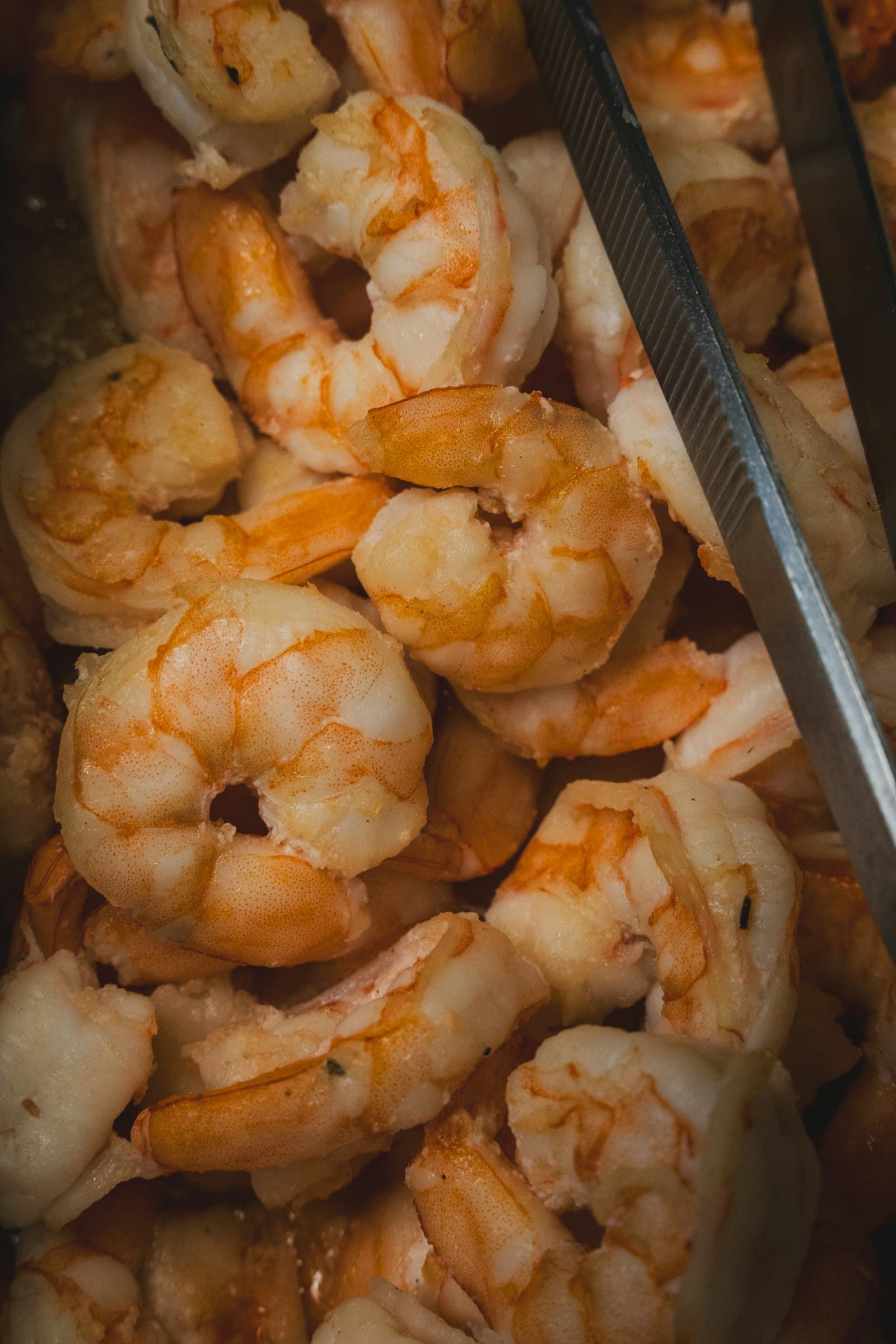
Heat 1 tbsp oil in a wok over high heat. Add the shrimp in a single layer and cook for 1-2 minutes per side, until pink and opaque all the way through. Transfer to a plate.
Stir-fry the noodles
Cook the rest in two batches, using half of each ingredient per batch. Heat 1 tbsp oil over medium-high heat and stir-fry half the garlic, shallot and tofu for 1 minute. Add half the noodles and half the sauce and toss with tongs for 2-3 minutes, until the noodles soak up the sauce and turn soft and chewy. If they are still firm once the sauce is absorbed, add 1-2 tbsp water and keep tossing.
Add the eggs
Push the noodles to one side of the pan. Crack in 2 eggs, scramble them for about 1 minute until almost set, then fold them through the noodles.
Finish and serve
Add half the shrimp, half of the remaining bean sprouts and half the green onions and toss for 30 seconds, just until the sprouts are warm. Plate it, then repeat steps 4-6 with the remaining ingredients, keeping some bean sprouts back for the table. Serve topped with peanuts and the fresh bean sprouts, with lime wedges and extra chili flakes on the side.
Recipe Tips
- Tamarind products vary a lot. Soft, brown Thai-style tamarind paste is mild; thick, almost black concentrate is much stronger, so start with half the amount, loosen it with water and taste before adding more.
- Cooking in two batches is the key to good texture. A crowded pan steams the noodles and makes them gummy and clumped.
- Have every ingredient prepped and lined up by the stove before you start. Once the wok is hot, each batch takes less than 5 minutes.
- Most fish sauces are gluten-free, but some brands add wheat-based ingredients, so check the label if you cook for someone avoiding gluten.
Variations
- Chicken pad thai: replace the shrimp with 400 g thinly sliced boneless chicken thighs or breast, stir-fried until they reach 74°C (165°F).
- Vegetarian: double the tofu, leave out the shrimp and use vegan fish sauce or tamari in place of fish sauce. Skip the eggs as well to make it vegan.
- For a flavour closer to street-food pad thai, add 2 tbsp chopped dried shrimp and 2 tbsp chopped sweet preserved radish with the garlic.
- Add a julienned carrot or a sliced red bell pepper with the shallot for more vegetables.
Nutrition (per serving)
| Calories | 675 |
|---|---|
| Protein | 38 g |
| Carbs | 75 g |
| Fat | 25 g |
| Saturated fat | 4 g |
| Fibre | 4 g |
| Sugar | 14 g |
| Sodium | 1260 mg |
Estimated from the listed ingredients; values vary by brand.
Related Recipes
Storing & Reheating
- Fridge
- Refrigerate within 2 hours in an airtight container for up to 3 days. Freezing is not recommended, as the noodles turn mushy.
- Reheat
- Reheat in a skillet over medium heat with 1-2 tbsp water, tossing until steaming hot, or microwave covered with a splash of water.
Shrimp Pad Thai FAQs
What can I use instead of tamarind in pad thai?
Tamarind gives pad thai its fruity sourness, and nothing matches it exactly. In a pinch, replace the 3 tbsp tamarind with 2 tbsp lime juice and 1 tbsp rice vinegar. The sauce will taste brighter and less fruity, but still balanced.
Which noodles should I use for pad thai?
Use dried flat rice noodles about 5 mm wide, sold as rice sticks or pad thai noodles. Thinner rice vermicelli breaks up in the pan, and wide fresh rice noodles are better suited to other stir-fries.
Why are my pad thai noodles mushy or stuck together?
Usually the noodles were soaked in water that was too hot or for too long, or the pan was overcrowded. Soak them only until pliable but firm, cook in two batches over medium-high heat and keep the noodles moving.
Is pad thai gluten-free?
This recipe is gluten-free because it uses rice noodles, tamarind and fish sauce, with no soy sauce or oyster sauce. Check the fish sauce and tamarind labels, since a few brands contain wheat.
Disclaimer
- Nutrition information is an estimate based on the listed ingredients. It changes with the brands, portion sizes and swaps you use.
- Read ingredient labels for allergens and for diet claims such as gluten-free or vegan. Products and their ingredients can change.
- Cooking times are a guide, since ovens, air fryers and slow cookers all run differently. Use a food thermometer and cook meat, poultry and fish to the safe internal temperatures in government food safety guidance.
- This recipe is general information, not medical or nutrition advice. If you have an allergy, a health condition or a special diet, check with a qualified health professional.