Ginger Molasses Cookies
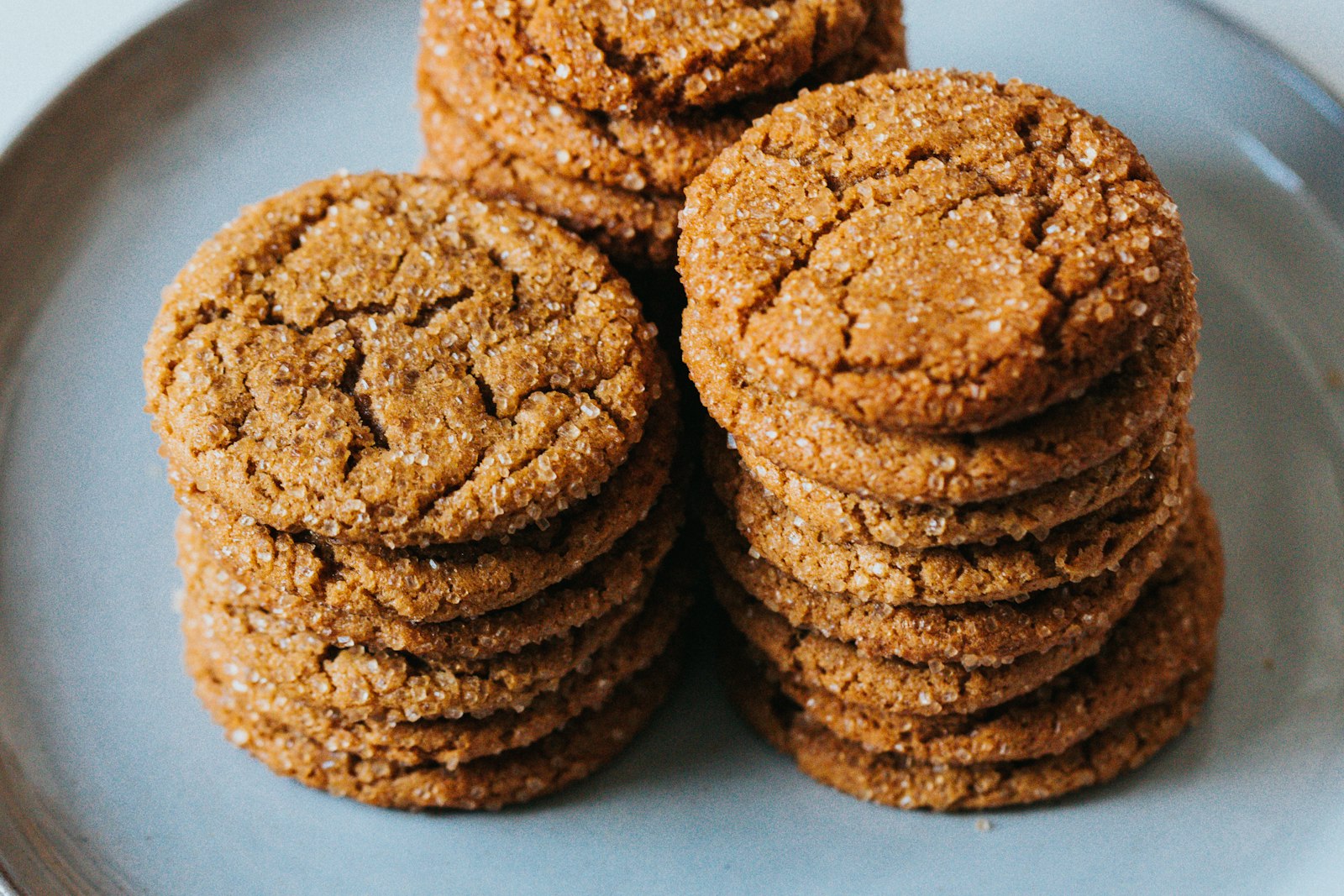
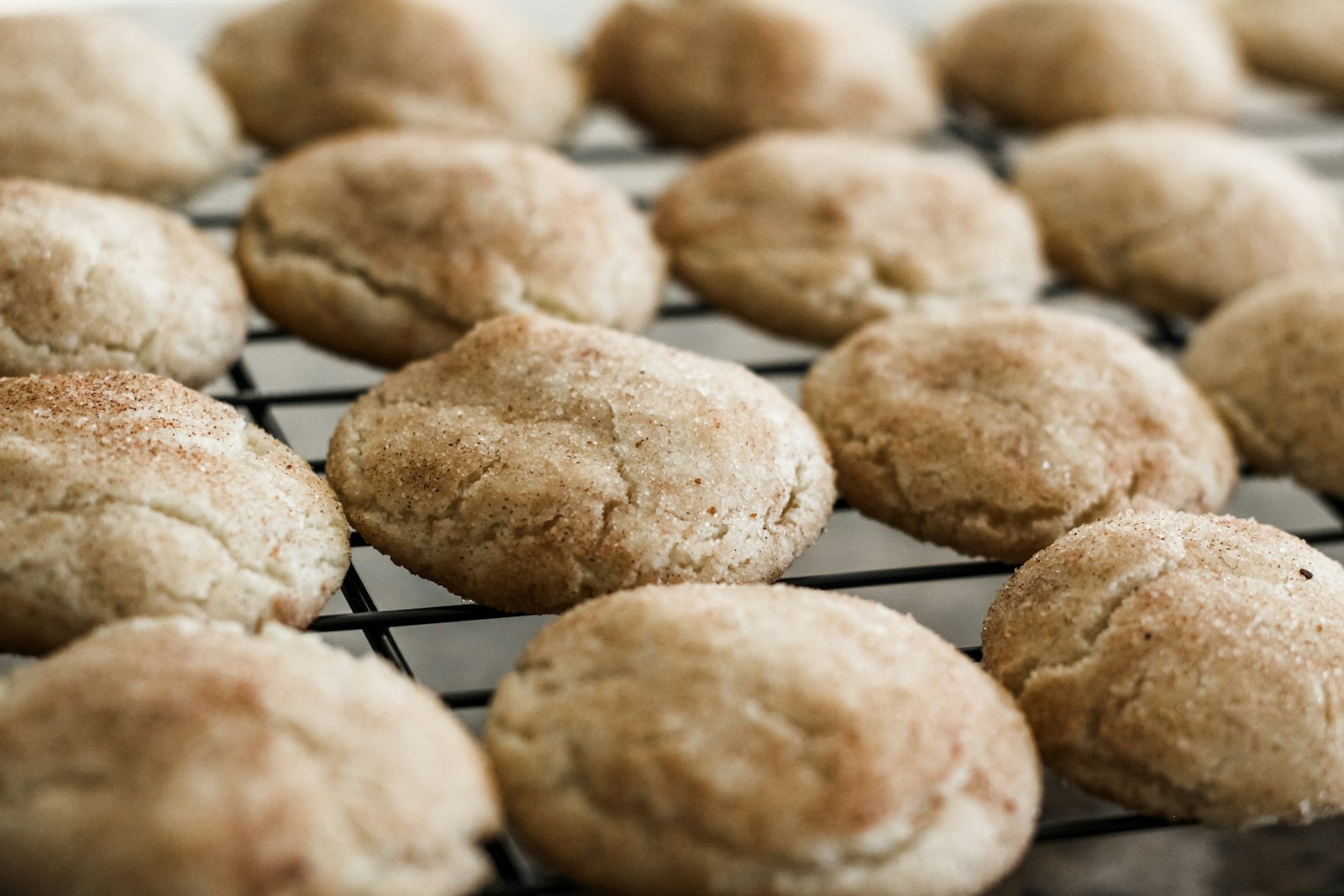
Ginger molasses cookies share their spices with gingerbread but are a different cookie: a soft dough with more butter and sugar, shaped into balls and rolled in sugar instead of being rolled flat, cut out and iced. In the oven the balls puff and spread, then sink as they cool, which leaves crackled tops, crisp edges and chewy middles. Light or dark molasses gives the right balance of sweetness and depth; blackstrap is too bitter for this dough.
Published
- Prep Time
- 20 mins
- Cook Time
- 24 mins
- Chill
- 1 hr
- Total Time
- 1 hr 44 mins
- Servings
- about 24 cookies
How do you make Ginger Molasses Cookies?
To make ginger molasses cookies, beat 170 g butter with 200 g brown sugar, add 1 egg, 60 ml molasses and vanilla, then mix in 280 g flour, 2 tsp baking soda, ginger, cinnamon, cloves and salt. Chill for 1 hour, coat 33 g balls in sugar and bake for 10-12 minutes in a 180°C (350°F) oven. They are done when the tops crack and the centres still look soft.
- Total time
- 1 hr 44 mins
- Calories
- 145 per serving
- Protein
- 1.5 g
- Yield
- about 24 cookies
- Difficulty
- Easy
- Method
- Baking
Ingredients
Cookies
Sugar coating
Equipment
Stand mixer or hand mixer · 2 mixing bowls · Small bowl · 2 baking sheets · Parchment paper · Kitchen scale · Wire rack
Step-by-Step Instructions
Every step for making ginger molasses cookies, written out in full.
Mix the dry ingredients
Whisk the flour, baking soda, ginger, cinnamon, cloves and salt in a bowl until the spices are evenly blended.
Cream the butter and brown sugar
Beat the butter and brown sugar on medium-high speed for 2 minutes, until lighter in colour and fluffy. Add the egg and beat well, then pour in the molasses and vanilla and beat again, scraping the bowl. The mixture may look slightly curdled once the molasses goes in; the flour smooths it out.
Make the dough
Tip in the dry ingredients and run the mixer on low just long enough for the last streaks of flour to disappear. The dough will be soft and tacky.
Chill the dough
Cover the bowl and refrigerate for 1 hour, until the dough is firm enough to roll into balls without coating your hands. Towards the end, switch the oven on to 180°C (350°F), cover two baking sheets with parchment paper and tip the coating sugar into a small bowl.
Shape and coat
Roll the dough into 33 g balls (about 2 tablespoons); you should get about 24. Turn each ball in the sugar until it is covered all over and arrange 12 on each baking sheet, 5 cm (2 inches) apart. Leave them as balls, without pressing them down.
Bake
Bake one sheet, then the other, on the middle rack for 10-12 minutes apiece, until the cookies have puffed and spread, the tops are cracked and the edges are set. The centres should still look soft and a little damp inside the cracks; that is what keeps them chewy. The waiting sheet stays in the fridge so its dough does not warm up.
Cool
Give the cookies 5 minutes on the hot sheet, where they sink and the cracks deepen, then move them to a wire rack until completely cool.
Recipe Tips
- Lightly oil the measuring cup or spoon before measuring the molasses and it will slide out cleanly.
- Do not flatten the balls. They spread by themselves, and a tall ball of cold dough is what cracks across the top.
- Pull the sheet out while the middles still look underdone. A few extra minutes in the oven gives a firmer, crisper cookie.
- Ground ginger fades in the jar. If yours has been open for more than a year, the cookies will taste flat, so replace it.
- Coarse sugar keeps its crunch and sparkle after baking. Granulated sugar works too but gives a finer, thinner crust.
Variations
- Triple ginger: mix 60 g (1/3 cup) finely chopped crystallized ginger and 1 tbsp finely grated fresh ginger into the dough with the flour.
- Extra spice: add 1/4 tsp finely ground black pepper and 1/4 tsp ground nutmeg to the dry ingredients.
- Orange: beat the finely grated zest of 1 orange into the butter and brown sugar.
- White chocolate dipped: melt 170 g (1 cup) white chocolate chips, dip each cooled cookie halfway and rest them on parchment until the chocolate hardens, about 30 minutes.
- Crisp gingersnaps: roll 16 g balls (1 level tablespoon) and bake for 12-14 minutes, until the cracks look dry. Makes about 48.
Nutrition (per serving)
| Calories | 145 |
|---|---|
| Protein | 1.5 g |
| Carbs | 22 g |
| Fat | 6 g |
| Saturated fat | 3.5 g |
| Fibre | 0.5 g |
| Sugar | 12.5 g |
| Sodium | 160 mg |
Estimated from the listed ingredients; values vary by brand.
Related Recipes

Storing & Reheating
- Fridge
- In an airtight container at room temperature, the cooled cookies stay soft for up to 1 week. For a cookie tin, bake them up to 4 days ahead and pack them apart from crisp cookies such as shortbread, which they would soften.
- Freezer
- Freeze the sugar-coated balls of dough on a tray until solid, then pack them into a freezer bag. They last 3 months and go into the oven still frozen; allow 1-2 minutes more. The baked cookies can be frozen too, for the same 3 months; thaw them at room temperature in their container.
- Reheat
- To soften cookies that have firmed up, warm them in a 150°C (300°F) oven for 3 minutes.
Ginger Molasses Cookies FAQs
What is the difference between ginger molasses cookies and gingerbread cookies?
Both are flavoured with molasses, ginger, cinnamon and cloves, but the doughs behave differently. Gingerbread cookie dough is stiff, with more flour for the amount of butter, so it can be rolled out, cut into shapes that keep sharp edges and decorated with icing. Ginger molasses cookie dough is softer and richer, so balls of it spread into thick, chewy rounds with crackled, sugar-crusted tops. They need no rolling pin, cutters or icing.
Which molasses should I use for ginger molasses cookies?
Use light molasses, the mildest and sweetest kind (also sold as fancy or mild molasses), or dark molasses (also sold as cooking or robust molasses), which is stronger and gives a deeper flavour. Avoid blackstrap: it is far less sweet, noticeably bitter and slightly salty, and it makes these cookies taste harsh. Where molasses is hard to find, black treacle can stand in for dark molasses.
Why didn't my ginger molasses cookies crack on top?
Cracks appear when the outside of the cookie sets while the baking soda is still pushing the middle up. Dough that is warm, baking soda that is past its date, balls that were flattened before baking or an oven that runs cool all stop that from happening. Chill the dough for 1 hour, bake tall balls and use fresh baking soda.
How do I keep ginger molasses cookies soft and chewy?
Take them out of the oven at 10-12 minutes, when the middles still look soft, and let them finish on the hot sheet. Brown sugar and molasses both hold moisture, so the cookies stay chewy for up to 1 week in an airtight container. Baking until the cracks look dry gives a crisp cookie instead.
Can I freeze ginger molasses cookie dough?
Yes. Roll the dough into balls, coat them in sugar and freeze them on a tray until solid, then seal them in a freezer bag. Use them within 3 months, baking them from frozen at 180°C (350°F) for 11-14 minutes. Frozen balls spread a little less, so the cookies come out slightly thicker.
How far ahead can I bake ginger molasses cookies for the holidays?
Up to 4 days ahead for a cookie tin, since they stay soft for about 1 week in an airtight container at room temperature. The dough can also be made up to 3 days ahead and kept covered in the fridge; let it stand for 15 minutes if it is too hard to scoop. For anything longer, freeze the dough balls or the baked cookies for up to 3 months.
Disclaimer
- Nutrition information is an estimate based on the listed ingredients. It changes with the brands, portion sizes and swaps you use.
- Read ingredient labels for allergens and for diet claims such as gluten-free or vegan. Products and their ingredients can change.
- Cooking times are a guide, since ovens, air fryers and slow cookers all run differently. Use a food thermometer and cook meat, poultry and fish to the safe internal temperatures in government food safety guidance.
- This recipe is general information, not medical or nutrition advice. If you have an allergy, a health condition or a special diet, check with a qualified health professional.