Keftedes (Greek Meatballs)
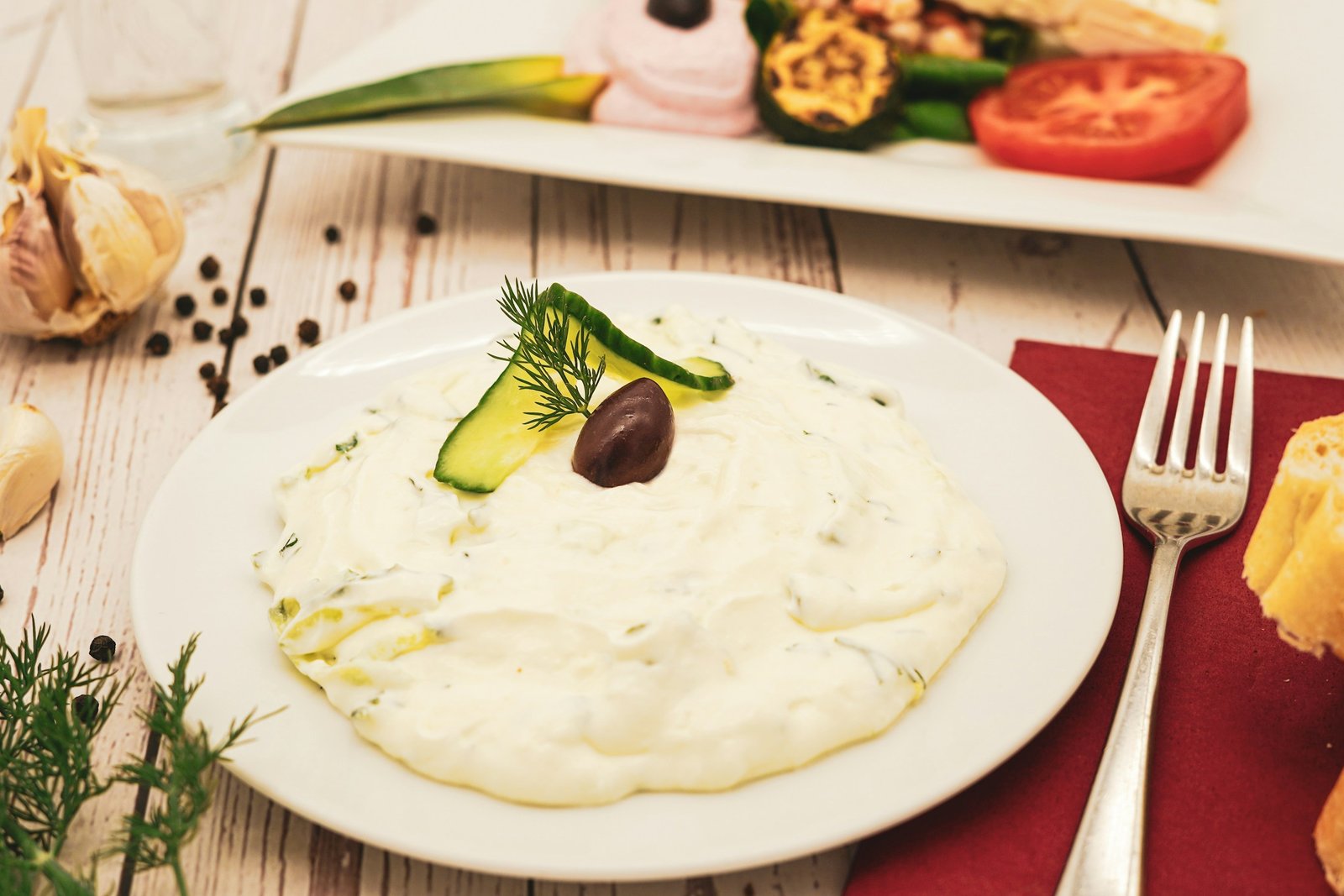
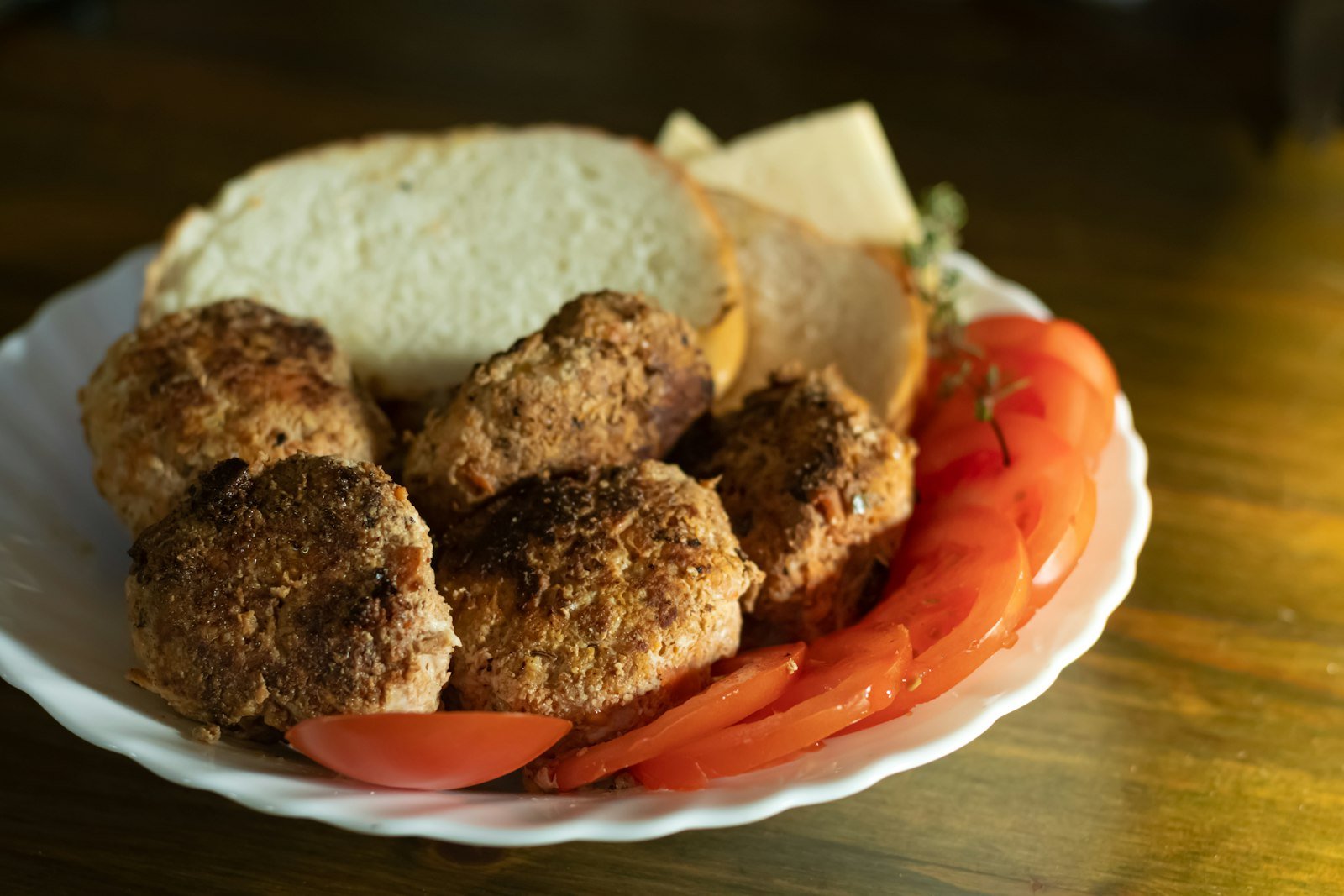
Keftedes are the small fried meatballs of the Greek meze table, usually set out with lemon wedges and a bowl of tzatziki. Because they are eaten without a sauce, all the flavour has to be in the mix: grated onion and its juice, plenty of fresh mint and parsley, and dried oregano. This version uses beef, or beef with some pork, bound with soaked bread and an egg, and adds a splash of red wine vinegar for a little sharpness. The meatballs are shaped small, pressed slightly flat, rolled in flour and shallow-fried in olive oil in three batches.
By Ben Kowalski
Published
- Prep Time
- 25 mins
- Cook Time
- 30 mins
- Chill the mixture
- 30 mins
- Total Time
- 1 hr 25 mins
- Servings
- About 30 meatballs
How do you make Keftedes (Greek Meatballs)?
To make keftedes, mix 750 g ground beef with grated onion, squeezed soaked bread, an egg, garlic, fresh mint, parsley, oregano and red wine vinegar, then chill for 30 minutes. Shape about 30 small, slightly flattened balls, dust them in flour and shallow-fry in olive oil at 170°C (340°F) in 3 batches, 3-4 minutes per side, until browned and 71°C (160°F) inside.
- Total time
- 1 hr 25 mins
- Calories
- 540 per serving
- Protein
- 39 g
- Yield
- About 30 meatballs
- Difficulty
- Easy
- Method
- Pan-frying
Ingredients
Keftedes
For frying
To serve
Equipment
Large heavy frying pan, 28 cm (11 inch) · Box grater · Large mixing bowl · Shallow dish for the flour · Tray lined with parchment paper · Tongs or a slotted spoon · Plate lined with paper towels · Instant-read thermometer
Step-by-Step Instructions
Every step for making keftedes (greek meatballs), written out in full.
Soak the bread
Tear the bread into small pieces, put it in a small bowl and pour the 125 ml water or milk over it. Leave it for 5 minutes, until soft. Squeeze the bread hard in your fist to wring out as much liquid as you can, crumble it into the large mixing bowl and discard the liquid.
Grate the onion
Grate the onion on the coarse side of the box grater straight into the bowl with the bread, so none of the juice is lost. The bread soaks up the juice and keeps the meatballs moist.
Mix and chill
Add the ground beef, egg, garlic, mint, parsley, oregano, vinegar, 1 tbsp extra-virgin olive oil, salt and pepper. Knead with your hands for 1-2 minutes, until everything is evenly mixed and the mixture feels slightly tacky and holds together when squeezed. Cover and refrigerate for 30 minutes, or up to 24 hours. The cold mixture is firmer and much easier to shape.
Shape the meatballs
Line a tray with parchment. With damp hands, roll heaped tablespoons of the mixture (about 35 g each) into balls about 4 cm (1 1/2 inch) across, then press each one gently to about 2 cm (3/4 inch) thick. You should have about 30. Set them on the tray.
Heat the oil
Pour the olive oil into the frying pan; it should be about 1 cm (3/8 inch) deep, so add a little more if your pan has a wider base. Heat it over medium heat to 170°C (340°F), about 5 minutes. Without a thermometer, drop in a pinch of flour: it should sizzle steadily straight away without darkening. Spread the flour in the shallow dish.
Flour and fry in batches
Roll about 10 meatballs in the flour, tap off the excess and lay them in the oil with space between them. Leave them alone until the underside is browned before turning them, and fry for 3-4 minutes per side, until both sides are a deep golden brown and a thermometer pushed in from the side of the thickest one reads 71°C (160°F). Lift them onto the paper towels. Skim out any loose bits of flour, let the oil come back to 170°C (340°F) and fry the rest in 2 more batches, flouring each batch just before it goes in.
Serve
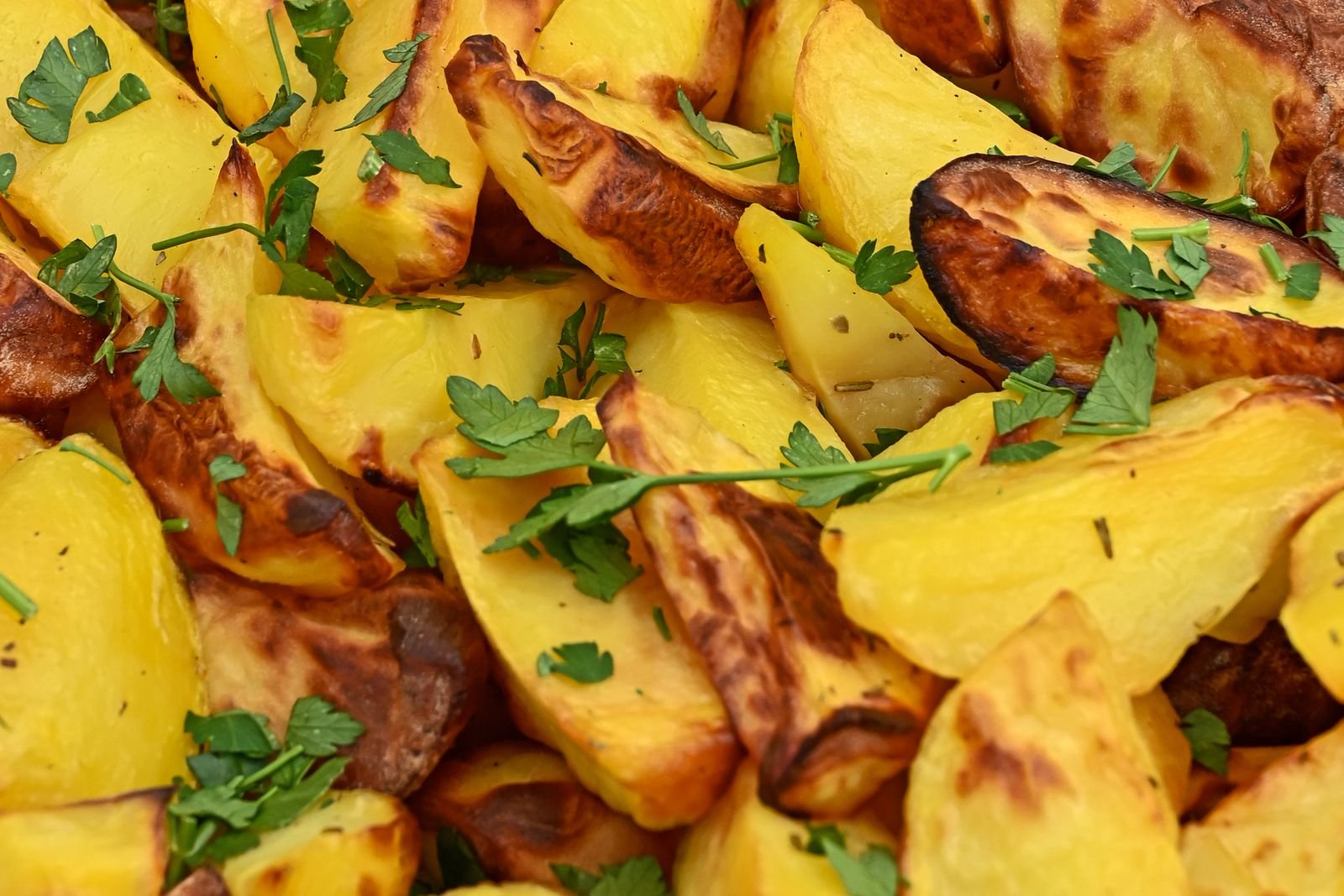
Serve the keftedes hot, warm or at room temperature with lemon wedges for squeezing over and tzatziki for dipping. For a main course, add lemon potatoes, rice or a Greek salad; as part of a meze spread they serve 8.
Recipe Tips
- Squeeze the soaked bread until almost no liquid drips out. A wet mixture is soft to shape and can break apart in the hot oil.
- Flatten the balls slightly before frying. In shallow oil, a flattened meatball cooks through before its crust gets too dark, and both flat sides brown evenly.
- Flour each batch only when you are ready to fry it. Floured meatballs left to sit absorb moisture and the coating turns pasty.
- Keep the oil near 170°C (340°F). Hotter, and the flour scorches before the centre is done; cooler, and the meatballs soak up oil and stay pale.
- Ground beef with about 15% fat keeps keftedes juicy. Replacing a third of it with ground pork makes them softer and richer.
Variations
- Oven-baked keftedes: heat the oven to 200°C (400°F), line a large sheet pan with parchment and brush it with 2 tbsp olive oil. Skip the flour, set the flattened meatballs on the pan, brush the tops with 1 tbsp oil and bake for 18-20 minutes, turning once, until browned and 71°C (160°F) inside.
- Use half ground lamb and half ground beef for a stronger flavour. Ground lamb is also cooked to 71°C (160°F).
- Meze-size keftedakia: shape the mixture into about 50 balls of 20 g, flatten them slightly and fry for 2-3 minutes per side, until a thermometer pushed into the side of one reads 71°C (160°F). If they are too small to probe, cut one open: it should be cooked through with no pink in the centre.
- Gluten-free: use gluten-free bread for soaking and dust the meatballs in rice flour instead of wheat flour.
Nutrition (per serving)
| Calories | 540 |
|---|---|
| Protein | 39 g |
| Carbs | 18 g |
| Fat | 34 g |
| Saturated fat | 11 g |
| Fibre | 2 g |
| Sugar | 3 g |
| Sodium | 1100 mg |
Estimated from the listed ingredients; values vary by brand.
Related Recipes
Storing & Reheating
- Fridge
- Refrigerate cooked keftedes in an airtight container within 2 hours of frying and eat them within 4 days. The raw mixture keeps, covered, in the fridge for up to 24 hours.
- Freezer
- Spread cooked keftedes apart on a tray and freeze until hard, then pack them into freezer bags for up to 3 months. Shaped raw meatballs, not yet floured, freeze the same way; thaw them overnight in the fridge before flouring and frying.
- Reheat
- Reheat on a sheet pan in a 180°C (350°F) oven for 10-12 minutes from the fridge or 20-25 minutes from frozen, until they reach 74°C (165°F) in the centre. The microwave works too, but it softens the crust.
Keftedes (Greek Meatballs) FAQs
What is the difference between keftedes and soutzoukakia?
Keftedes are round or slightly flattened, seasoned mainly with fresh herbs such as mint and parsley, and fried and served without sauce. Soutzoukakia are oblong, flavoured with cumin and garlic, and finished in a tomato sauce on the stove or in the oven. They are often called soutzoukakia Smyrneika, after the city of Smyrna.
Why do keftedes fall apart when frying?
The mixture is usually too wet, either because the soaked bread was not squeezed hard enough or because the grated onion added a lot of liquid. Kneading until the mix feels tacky and chilling it for 30 minutes both help it bind. Once the meatballs are in the oil, leave them alone for about 3 minutes, until the underside has browned, before turning them.
Can you bake keftedes instead of frying them?
Yes. Bake them on an oiled, parchment-lined sheet pan at 200°C (400°F) for 18-20 minutes, turning once, until browned and 71°C (160°F) inside. Leave out the flour coating, which stays powdery without frying oil. The crust comes out thinner and less crisp than a fried keftes, but there is no pan of hot oil to manage.
Can keftedes be frozen?
Yes, either cooked or raw. Open-freeze cooked keftedes on a tray, bag them once firm and keep them for up to 3 months, then reheat them straight from frozen in a 180°C (350°F) oven for 20-25 minutes. Raw shaped meatballs freeze the same way; thaw them in the fridge overnight, then flour and fry them.
What meat is best for keftedes?
Ground beef, on its own or mixed with some ground pork, is the usual choice for Greek home cooks. Lamb also works and gives a stronger, slightly gamey flavour, either alone or as half the mix. Whichever you use, pick meat with around 15% fat, since very lean meat makes dry, crumbly keftedes.
Disclaimer
- Nutrition information is an estimate based on the listed ingredients. It changes with the brands, portion sizes and swaps you use.
- Read ingredient labels for allergens and for diet claims such as gluten-free or vegan. Products and their ingredients can change.
- Cooking times are a guide, since ovens, air fryers and slow cookers all run differently. Use a food thermometer and cook meat, poultry and fish to the safe internal temperatures in government food safety guidance.
- This recipe is general information, not medical or nutrition advice. If you have an allergy, a health condition or a special diet, check with a qualified health professional.