
Stir Fry Cooking Times: Vegetables, Chicken, Beef, Pork, Shrimp and Tofu
Stir fry cooking times from 12 Savour recipes: chicken strips 5 to 6 minutes to 74°C (165°F), shrimp 1 to 2 minutes per side, broccoli, bok choy and noodles.
Published · 10 min read
Quick answer
Stir fry cooking times in Savour's recipes: thin chicken strips take 5 to 6 minutes over high heat to 74°C (165°F), sliced flank steak 1 minute untouched and 30 to 60 seconds after flipping, shrimp 1 to 2 minutes per side and pressed tofu cubes 8 to 10 minutes. Broccoli takes 2 to 4 minutes, bok choy stems 1 minute, bean sprouts 30 seconds, and garlic and ginger 20 to 30 seconds in most of the recipes.
- Recipes featured
- 12
- Quickest
- Vegetable Chow Mein (20 mins)
- Average total time
- 33 mins
- Average calories
- 438 per serving
- Reading time
- 10 min
- Section
- Cooking guides
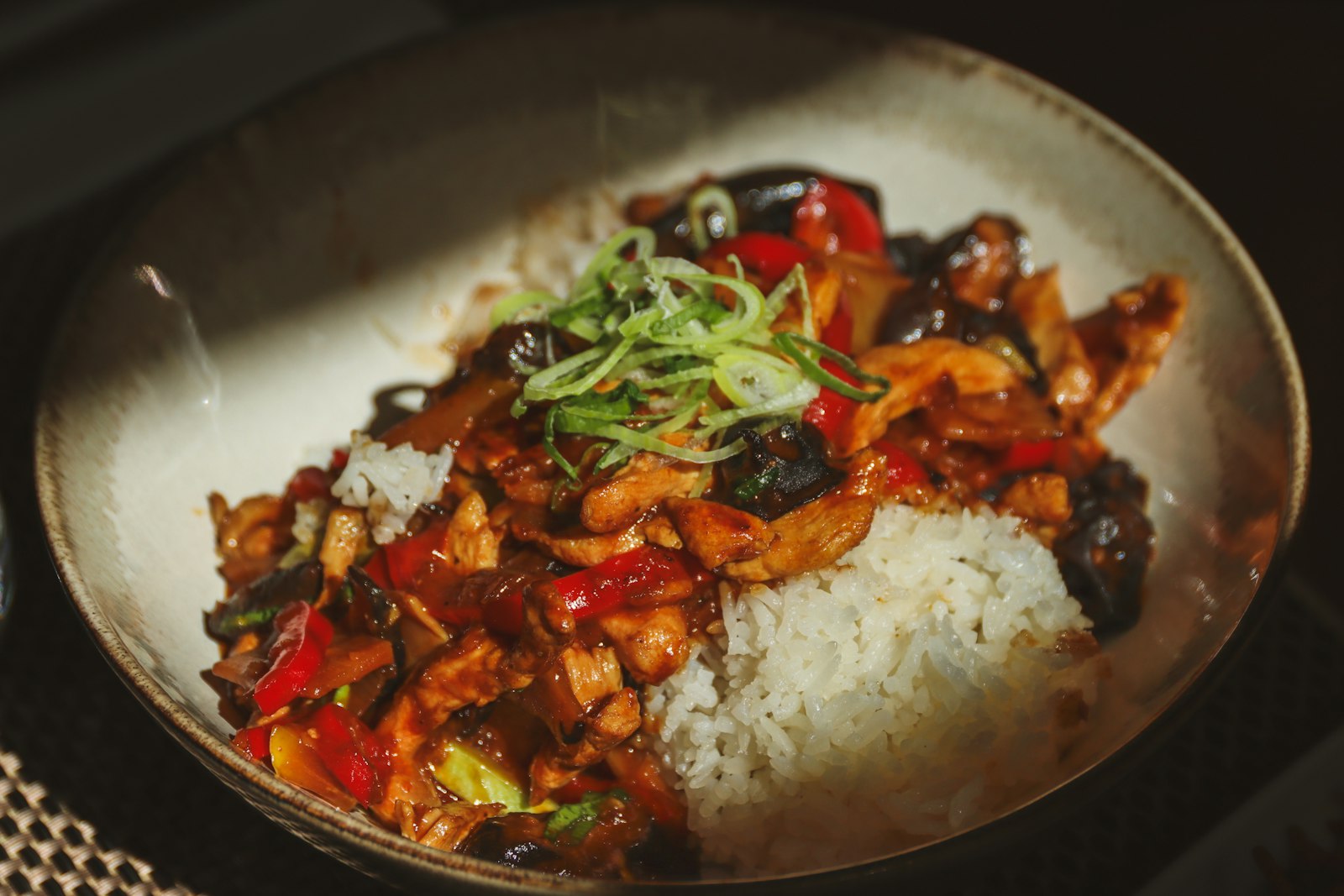
Stir fry cooking times are short and depend on the cut. Savour's recipes stir-fry thin chicken strips for 5 to 6 minutes over high heat until they reach 74°C (165°F), sear sliced flank steak for 1 minute and then 30 to 60 seconds after flipping, cook shrimp for 1 to 2 minutes per side and fry pressed tofu cubes for 8 to 10 minutes. Vegetables take from 30 seconds for bok choy leaves and bean sprouts to 3 to 4 minutes for a pan of sliced cabbage, and garlic and ginger 20 to 30 seconds in most of the recipes.
Below, we list the times written in the steps of 12 Savour stir-fries, ingredient by ingredient, with the heat each step uses, the order the recipes add things and how each one tells the meat is done. Where two recipes give different times for the same ingredient, both are shown.
Stir fry cooking times for chicken, beef, pork, shrimp and tofu
Times are from each recipe's steps, and the cut and weight from its ingredient list. The total is the stored time for the whole recipe, prep and marinating included.
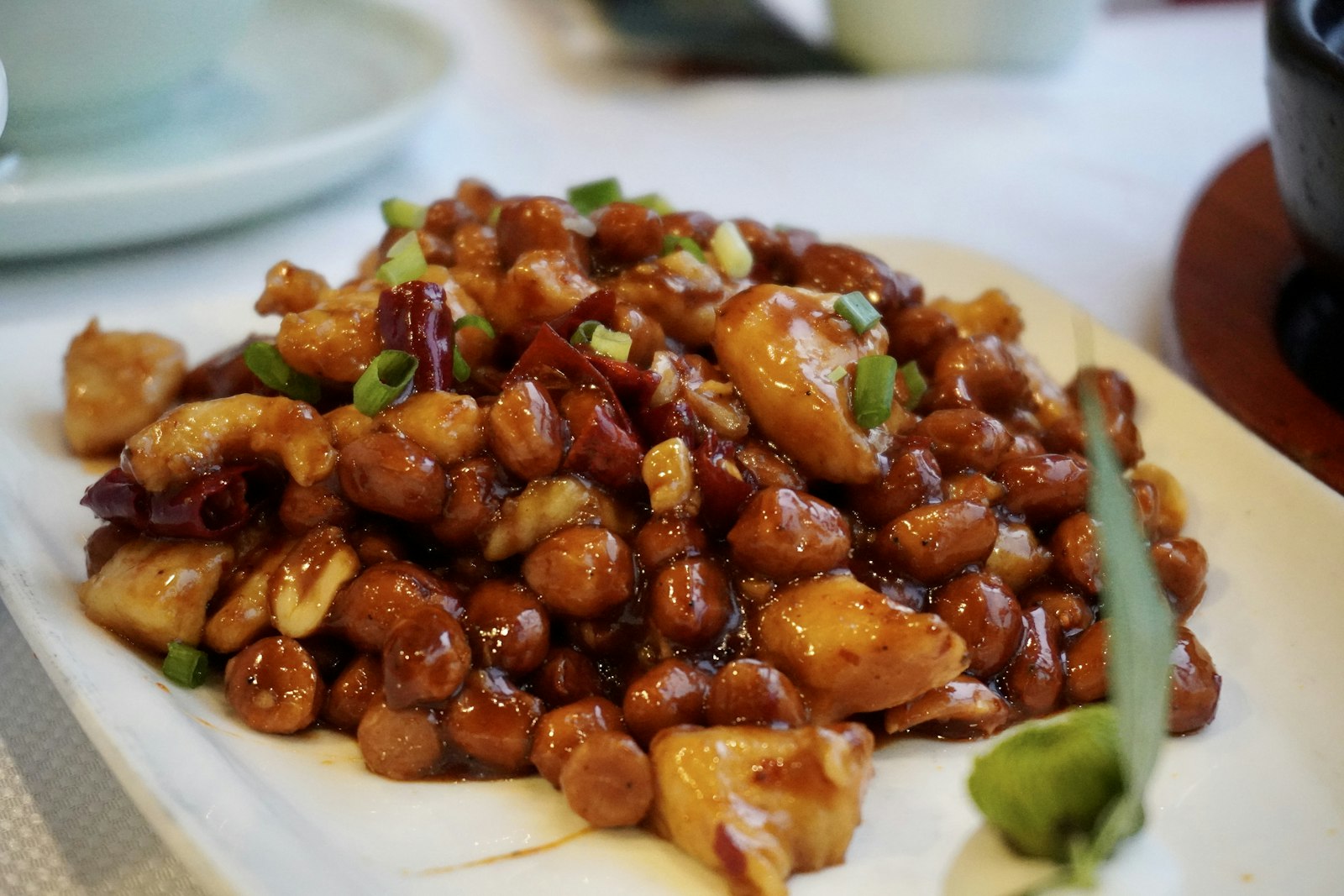
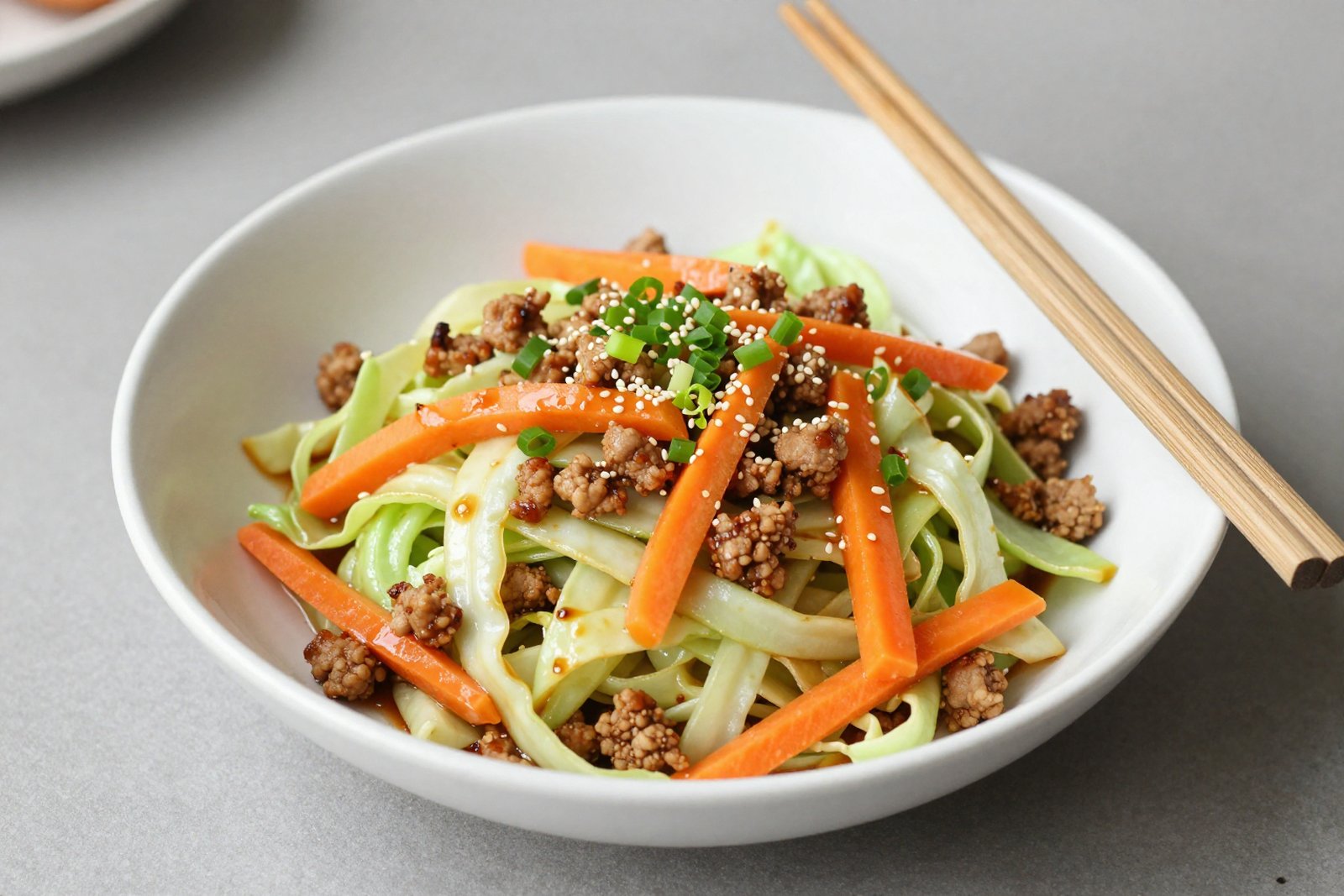
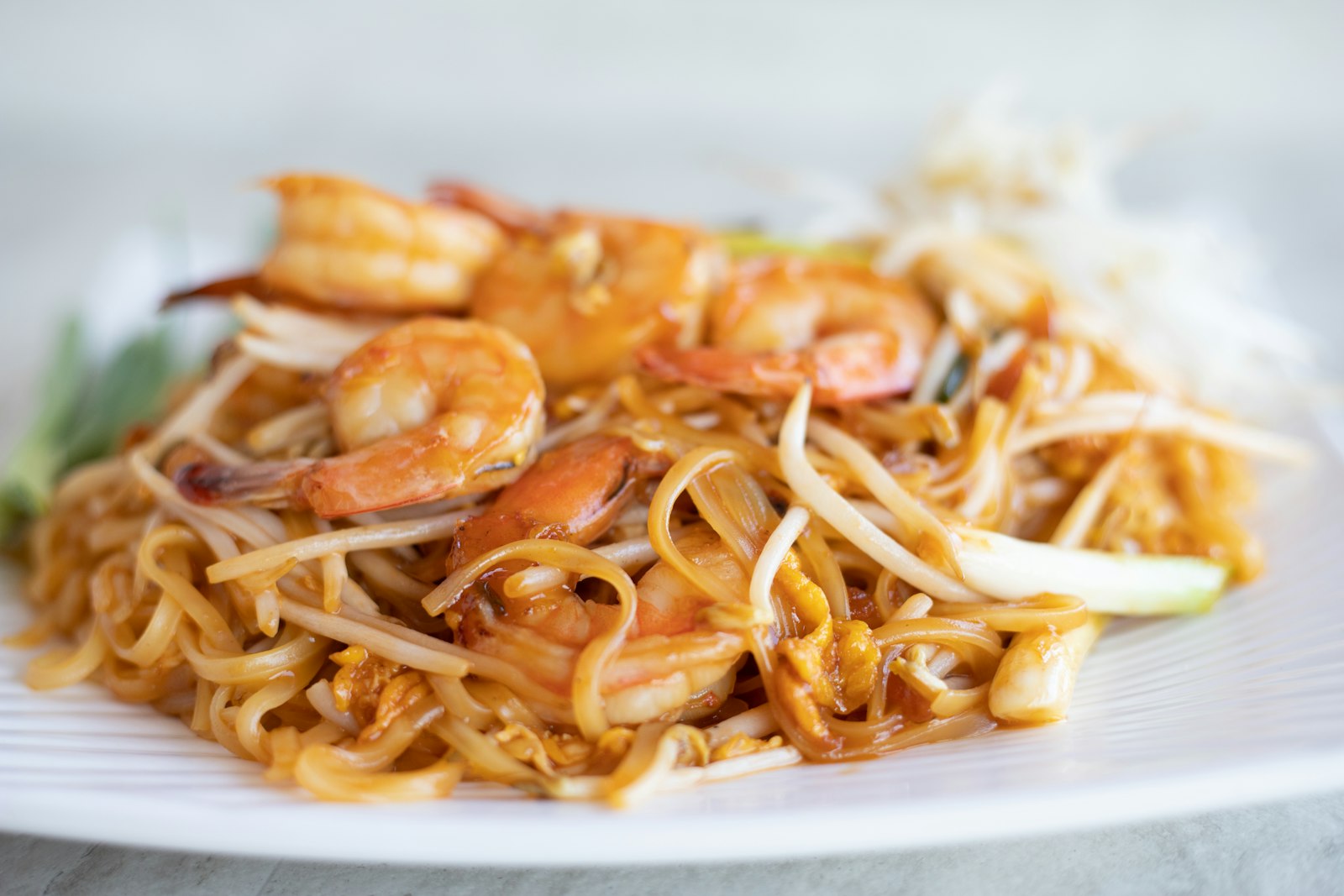
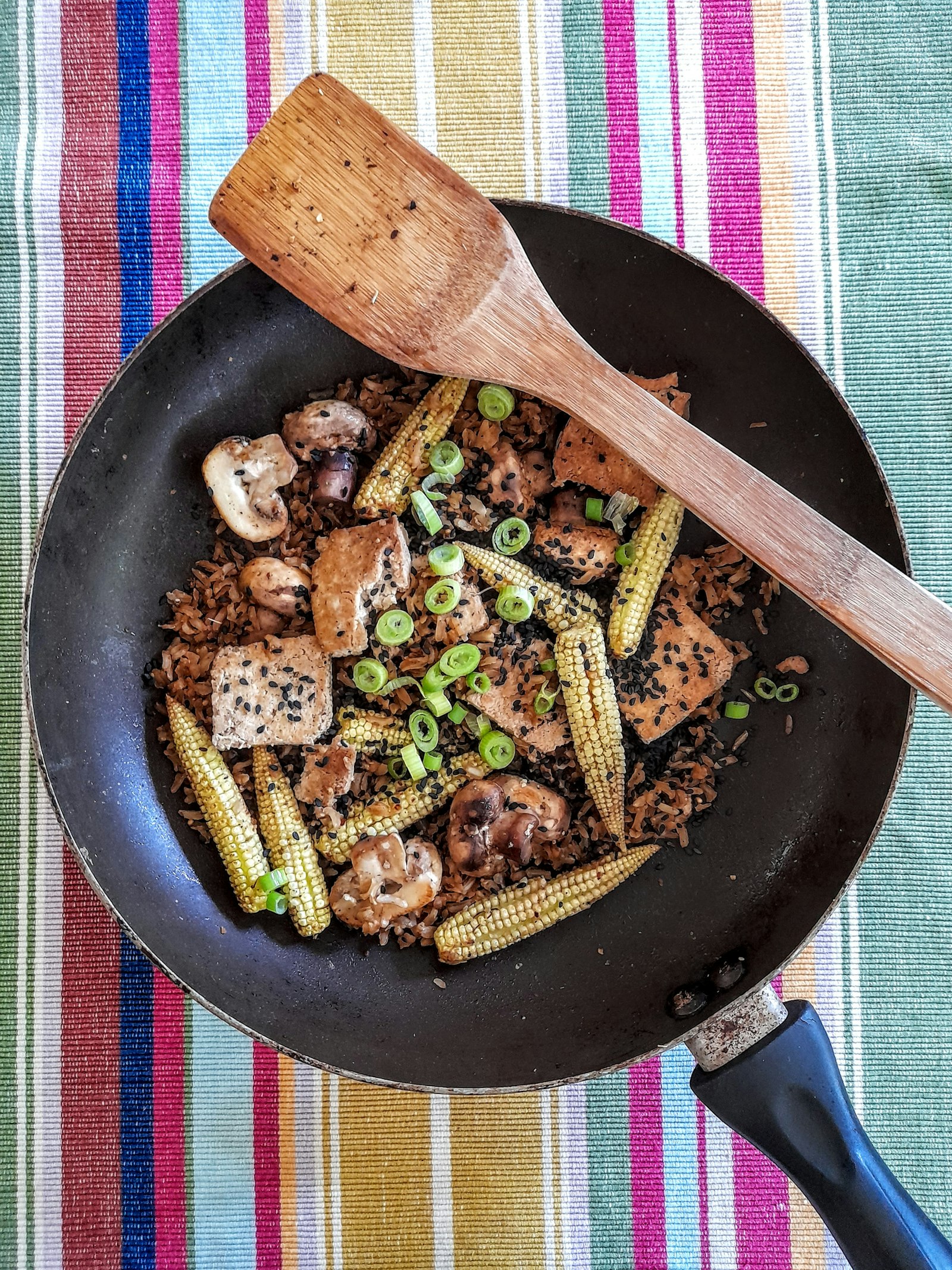
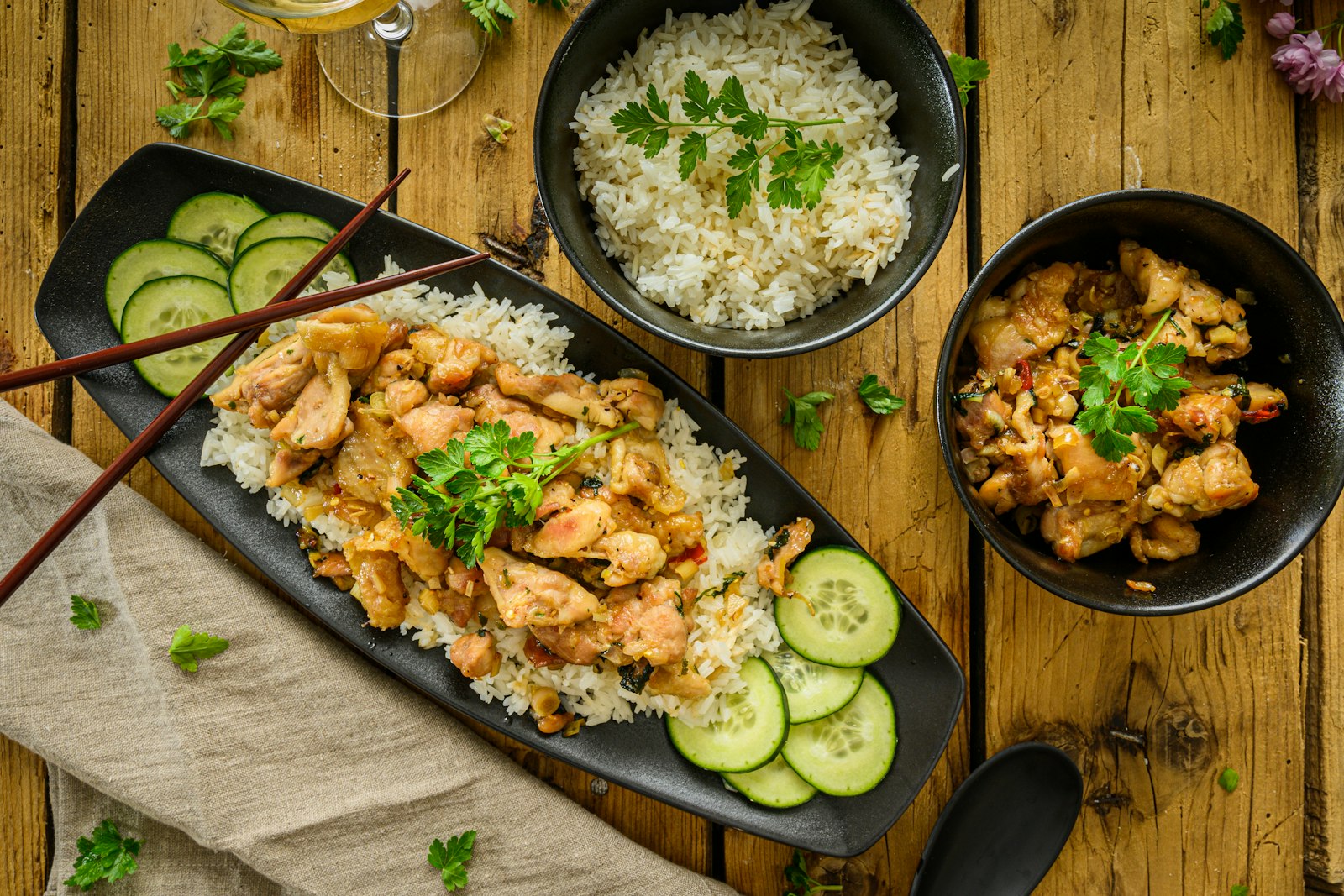
Three patterns stand out. Eight of the nine recipes spread the meat or tofu out in the pan and leave it alone for a moment (30 seconds for the kung pao cubes, 2 to 3 minutes for the ground pork) before stirring; the pancit stirs its chicken from the start. The chicken times run from 3 to 4 minutes for small cubes to 5 to 6 minutes for strips and larger pieces. And the recipe variations give two more shrimp times: 2 to 3 minutes for kung pao shrimp, and about 2 minutes for shrimp added to the pancit with the vegetables.
How long to stir-fry vegetables?
In the recipes, firm vegetables (broccoli, carrot, onion, cabbage) get the longest times, and the two broccoli recipes add a splash of water to steam them. Leafy or watery ones (bok choy leaves, bean sprouts) go in last and get the shortest.
Each step also gives a cue to watch for alongside the time: broccoli is done when it is "bright green and crisp-tender", cabbage when it is wilted "but still has a little crunch". The chicken stir fry's tip is to slice the vegetables to a similar thickness so they finish at the same time, and the egg roll recipe slices its cabbage about 5 mm thick so it wilts in a few minutes.
What order do you add ingredients to a stir fry?
The Easy Chicken Stir Fry and the crispy tofu stir fry follow one sequence in full (protein out, firm vegetables, soft vegetables, aromatics, sauce, protein back), and the beef and broccoli and the pad thai also lift the protein out and return it at the end. The chicken stir fry shows it step by step:
- Prep everything first. Mix the sauce and cut every ingredient before the pan goes on. The beef, chicken and pad thai recipes all say so: the pad thai tip says each batch takes less than 5 minutes once the wok is hot, and the longevity noodles take about 6 minutes of cooking.
- Cook the protein and lift it out. Chicken strips sear over high heat and go onto a plate once cooked through.
- Add the firm vegetables with a little water: broccoli and carrot for 2 minutes.
- Add the softer vegetables: pepper and snow peas for 2 minutes more, so they keep some crunch.
- Add the aromatics. Push the vegetables aside and stir garlic, ginger and green onion whites in the empty space for 30 seconds.
- Sauce, then protein back in. Stir the sauce again (the cornstarch settles), pour it in with the chicken and its juices, and toss for 1 to 2 minutes until it bubbles and turns glossy.
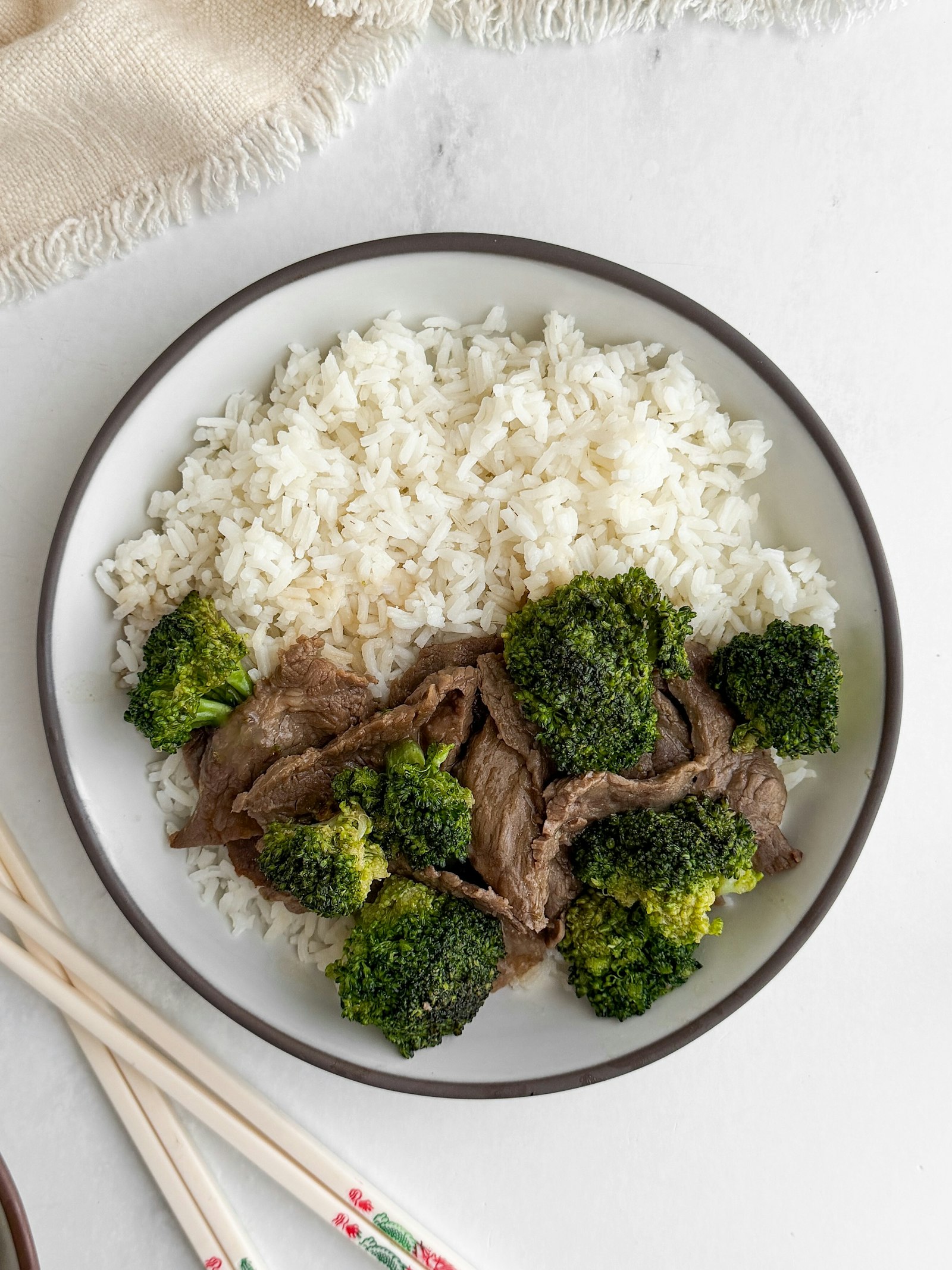
The others change the order in a few ways. The beef and broccoli cooks the broccoli first, wipes the wok, sears the beef, then lowers the heat to medium for the garlic, ginger and sauce. The chow mein and longevity noodles fry the garlic and ginger first, for 20 seconds, before any vegetables. The ginger pork softens the onion first, pushes it to one side and keeps the seared pork in the pan beside it. The lemongrass chicken starts with a caramel of oil and sugar, stirred for 2 to 3 minutes over medium heat until dark amber, then stir-fries the lemongrass, shallots, garlic and chilli for 1 to 2 minutes before the chicken goes in. Its step warns that caramel is far hotter than boiling water, so no water or fish sauce goes onto it at that stage, and the pan comes off the heat while the aromatics go in.
The tofu stays out until the very end: the tofu stir fry returns it for 30 seconds once the sauce has thickened, because, its tip says, the crisp coating softens if it simmers in the sauce. Which tofu to buy and whether to press it are covered in the Savour guide to what to make with tofu, from silken to extra-firm.
How do you know stir-fried chicken is cooked?
Chicken pieces are safe at 74°C (165°F). The chicken stir fry checks the thickest strip with an instant-read thermometer, and the pancit checks the thickest piece. Government food safety guidance says to put the thermometer into the thickest part, to the middle, and to check each piece separately when there are several.
Small pieces are hard to probe, so two recipes add a visual check. The kung pao step says to cut the largest piece open to check there is no pink in the centre. The lemongrass chicken step says pieces that small are done when the largest one, cut open, is white all the way through with no pink and its juices run clear.
For the other proteins, the recipes give these cues:
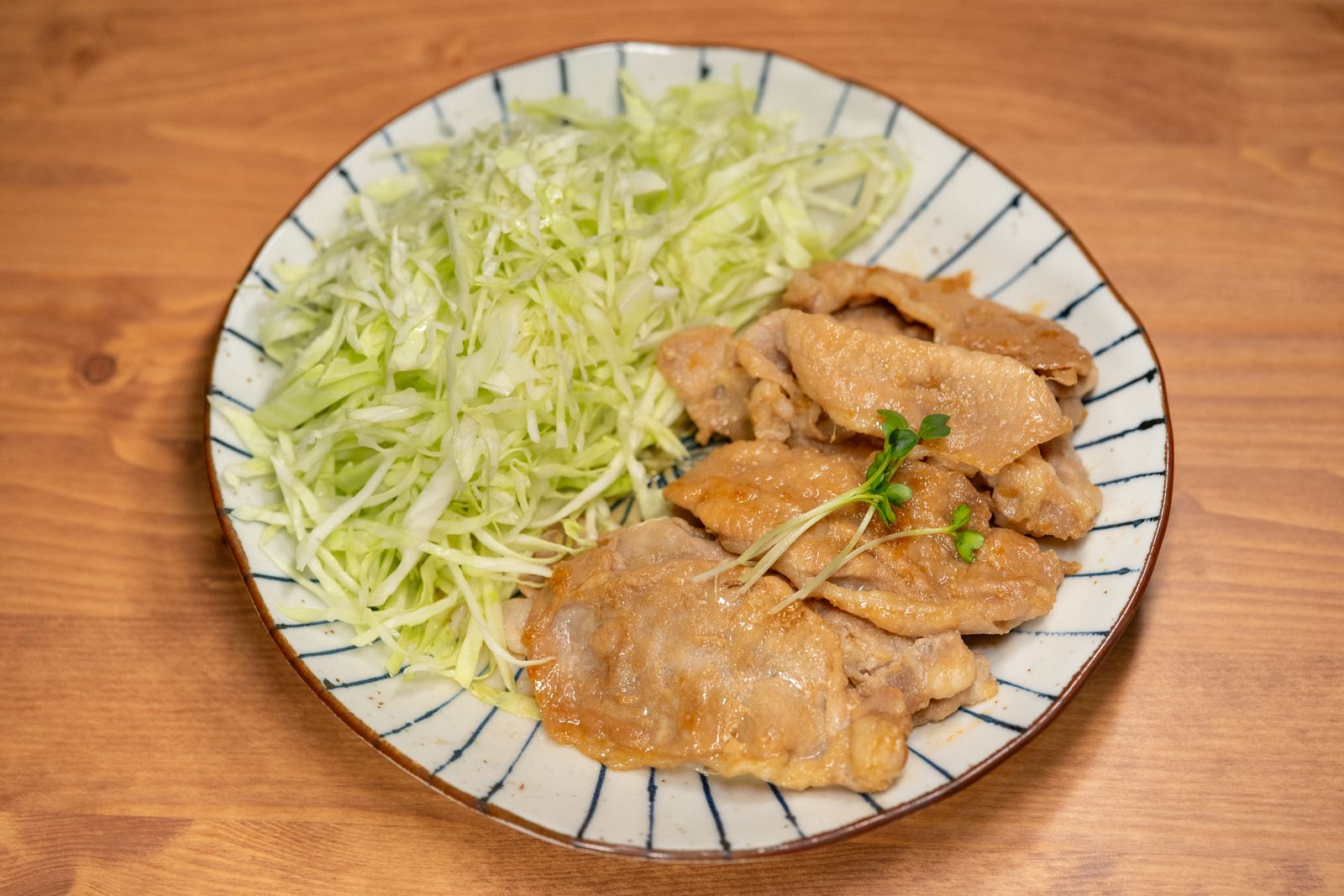
- Pork: the ginger pork is done when it has no pink and reaches 71°C (160°F), and the egg roll's ground pork when no pink remains, the juices run clear and it reaches 71°C (160°F).
- Beef: the flank steak strips are cooked "until browned and just cooked through".
- Shrimp: pink and opaque all the way through.
- Tofu: golden and crisp on most sides.
The ginger pork also boils its leftover marinade for 1 minute before serving, because it has touched raw pork. Keeping raw and cooked food separate is one of the five keys to safer food in international food safety guidance.
Why do the recipes cook the meat in batches?
A crowded pan steams instead of searing. The recipes say it in their own words:
- The beef and broccoli sears 450 g of flank steak in two halves.
- The ginger pork tip says a 30 cm skillet holds about 250 g of thin slices in one layer, so 500 g all at once will steam. Piled up, its step says, the pork turns grey instead of browning.
- The chicken stir fry tip says to cook the chicken in two batches in a pan smaller than 30 cm, so it browns instead of steaming.
- The lemongrass chicken tip gives the same advice for a pan under 30 cm and says the second batch adds 3 to 4 minutes.
- The pad thai cooks the noodles in two batches, because a crowded pan makes them gummy and clumped.
- The egg roll in a bowl adds its cabbage in two batches and leaves the lid off: a lid traps steam and makes the cabbage watery.
Other fixes from the recipes' steps and tips: dried chillies that turn black make the kung pao bitter, so wipe out the wok and start again; burnt caramel in the lemongrass chicken means the same. Moving the tofu too often stops its crust from forming, and cornstarch-coated tofu sticks to bare stainless steel, so the recipe uses a non-stick pan or a well-seasoned wok. The egg roll's soy sauce goes in last, because salt draws water out of cabbage.
How long do noodles take in a stir fry?
The noodles are soaked or boiled first, then finish in the pan. Both times come from the steps.
The rice noodles are only part-softened: the pad thai soaks them until they bend but still feel firm in the centre, and the pancit tip says soaking bihon in hot water makes it break up and turn mushy. The egg and starch noodles are boiled until just tender (soft but still bouncy for the japchae), rinsed and tossed with oil or sauce so they do not stick. The chow mein tip says to drain them very well, since wet noodles steam and turn soggy.
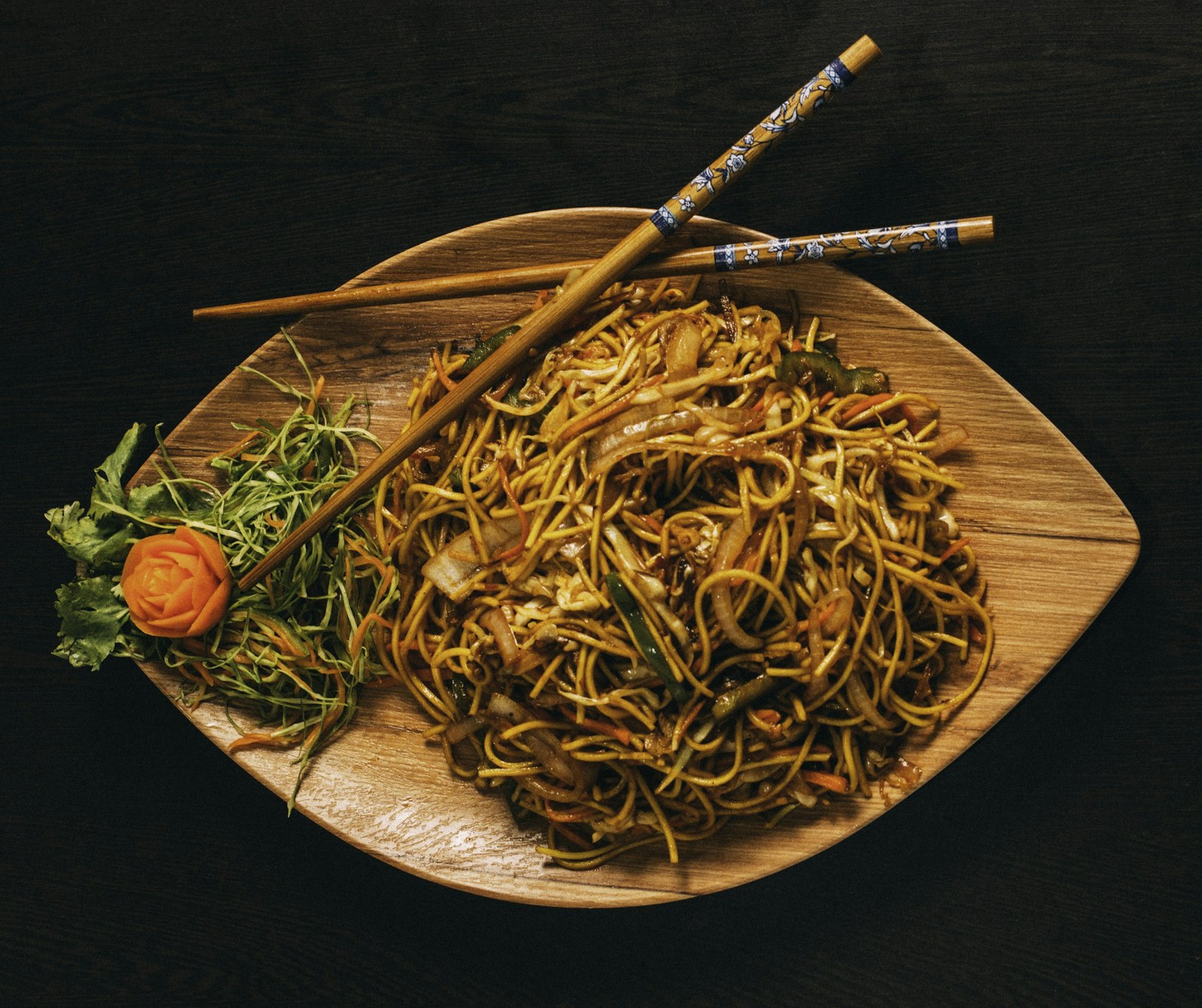
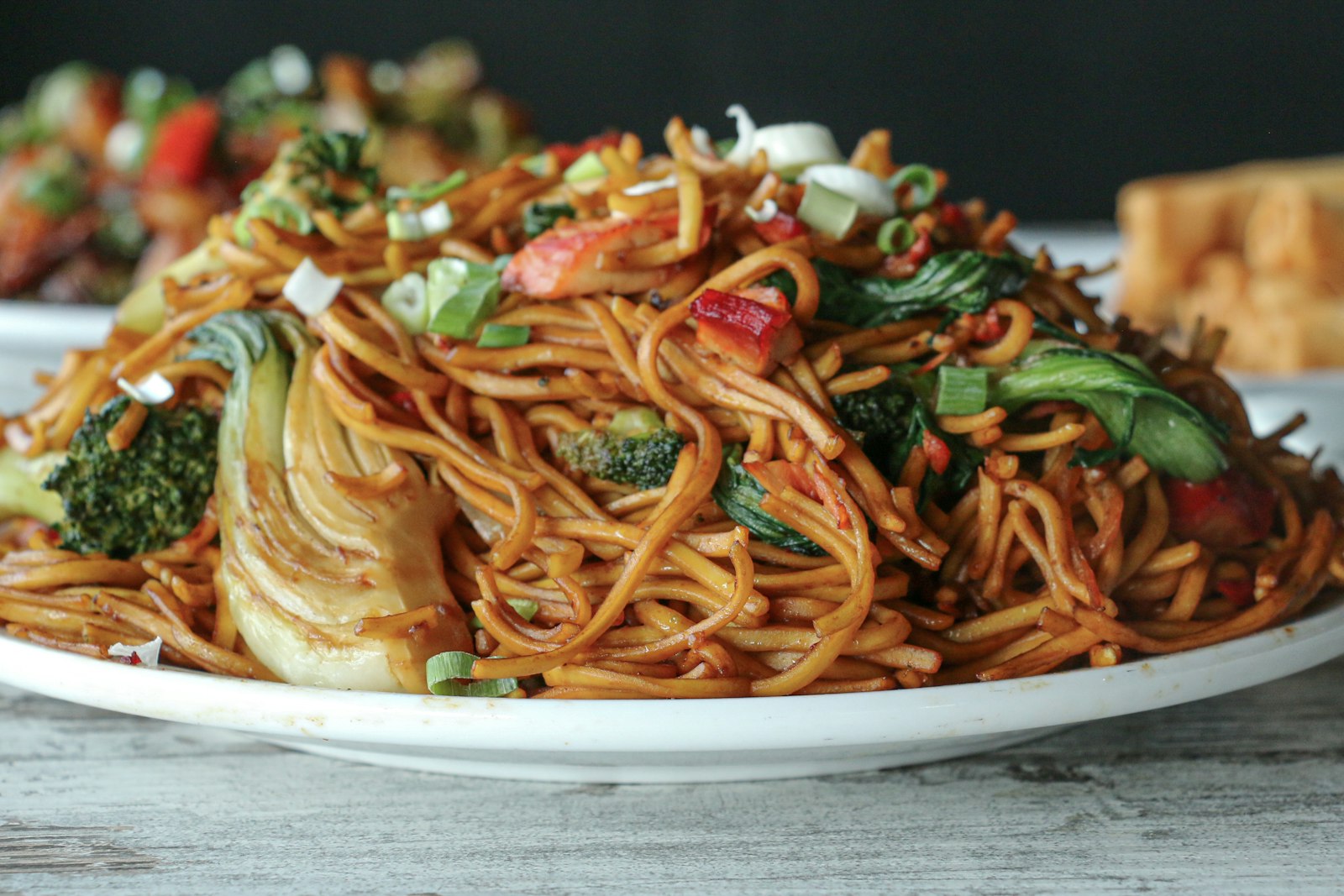
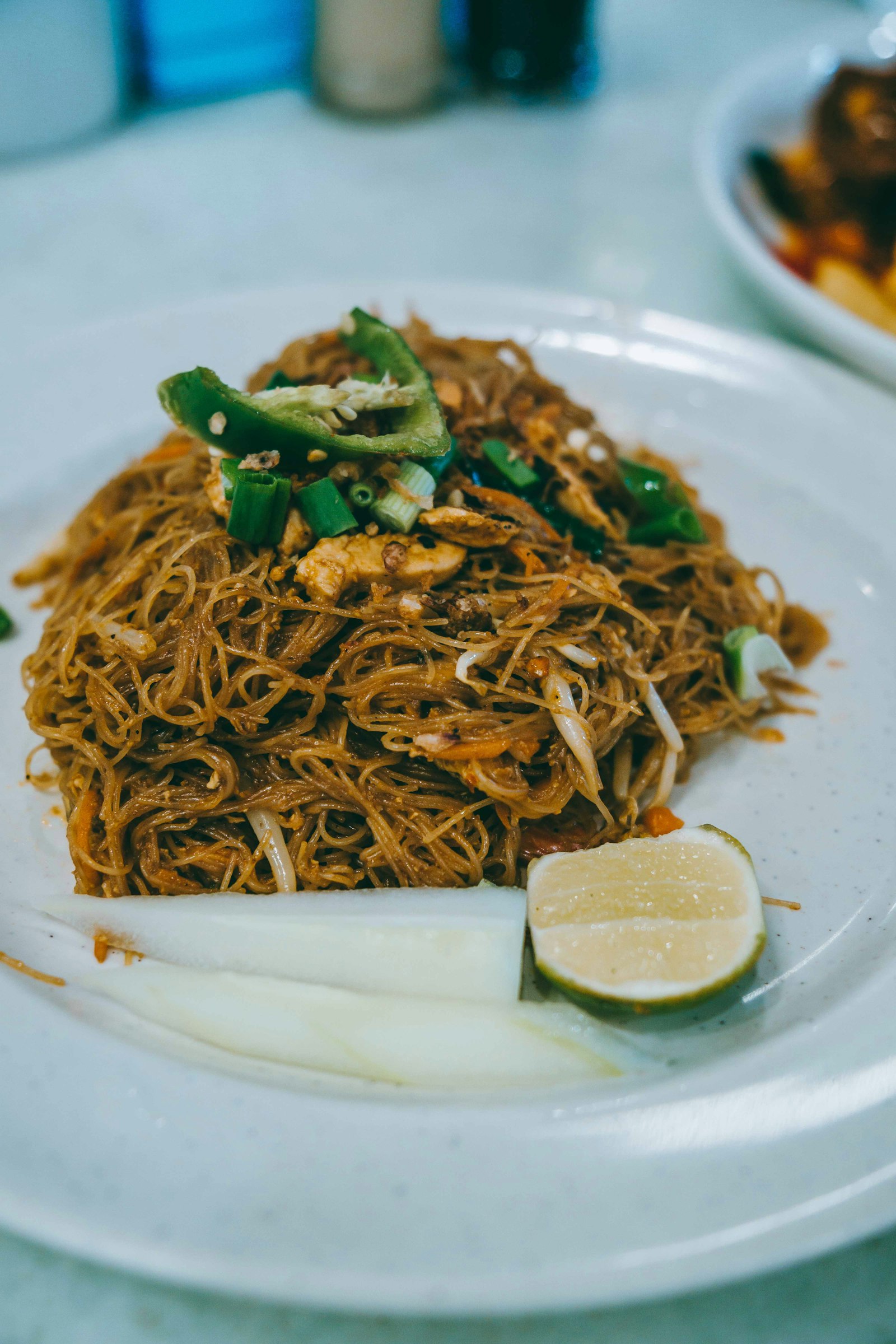
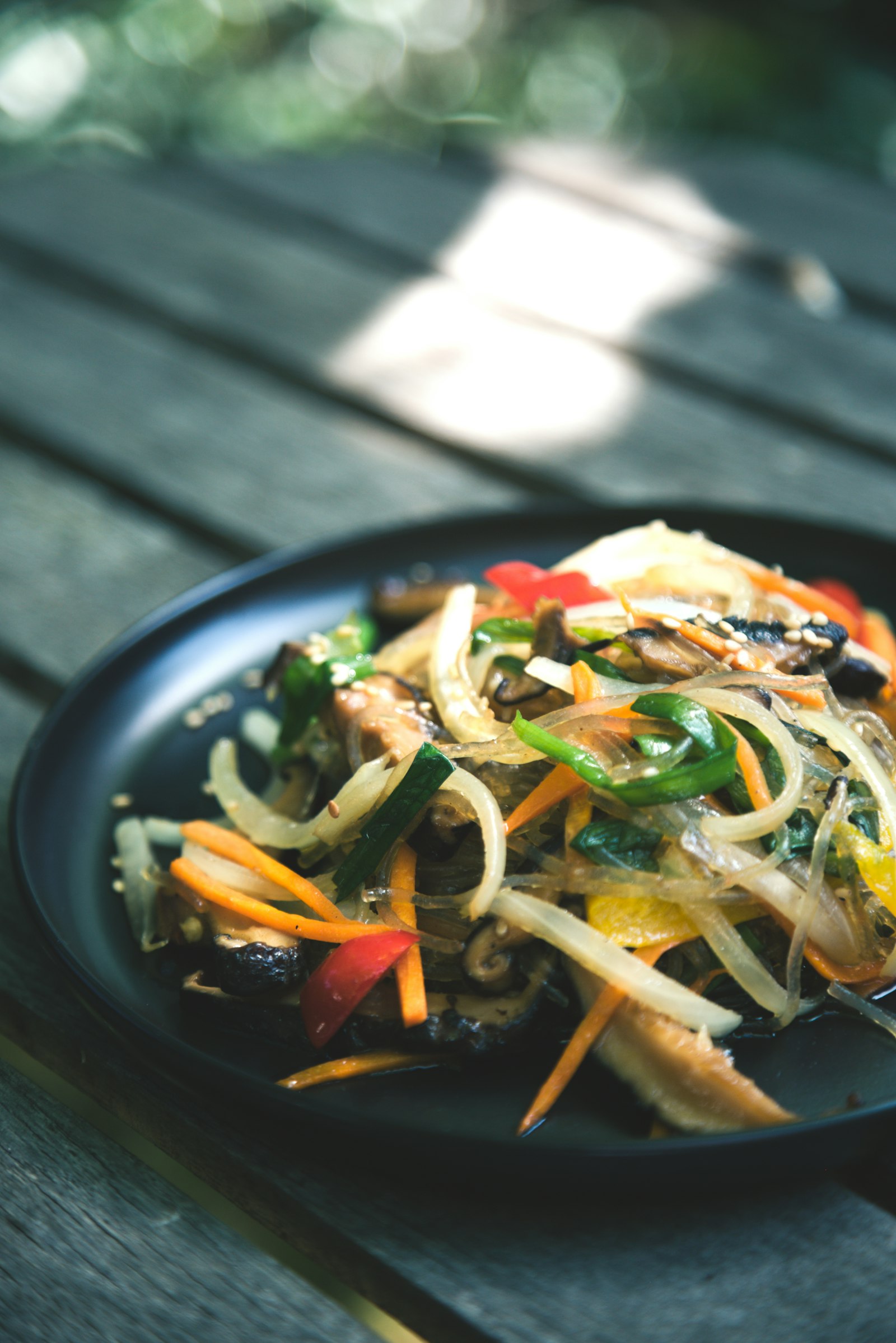
The Korean recipes page has more Korean dishes like japchae, and the noodle recipes page lists more noodle dishes. For stir-fried rice instead of noodles, the guide to what to make with leftover rice compares the fried rice recipes and how each one chills its rice.
Do you need a wok, or will a skillet do?
No recipe here needs a wok. All 12 list a large skillet or frying pan, with or instead of a wok: the chicken stir fry, egg roll in a bowl, lemongrass chicken and pad thai name a 30 cm pan, the beef and broccoli needs one with a lid for steaming the broccoli, and the ginger pork uses a large skillet or wide frying pan only. Pan size matters more than shape: in a pan under 30 cm, the chicken and lemongrass recipes cook the chicken in two batches, and the chow mein and longevity noodles tips say a small wok should take the vegetables and noodles in two batches so the pan stays hot.
How long do stir-fry leftovers keep?
Each recipe's storage note gives its own limits. Most say to refrigerate within 2 hours.
Six of them (the beef and broccoli, chicken stir fry, kung pao, lemongrass chicken, egg roll in a bowl and tofu stir fry) reheat to 74°C (165°F), the rest until hot or steaming hot, most in a skillet with a splash of water. The tofu recipe says a hot skillet re-crisps the tofu better than the microwave. Seven of these stir-fries are in the quick weeknight dinners collection, and the chicken recipes and Chinese recipes pages list more dishes of each kind.
Sources
- Safe internal cooking temperatures canada.ca
- Five keys to safer food manual who.int
Recipes in this post (12)
Frequently Asked Questions
How long do you stir-fry chicken strips?
Savour's Easy Chicken Stir Fry lays thin strips of chicken thigh in a single layer over high heat, leaves them for 1 to 2 minutes, then stir-fries them for 5 to 6 minutes in total, until the thickest strip reads 74°C (165°F). The kung pao recipe cuts the chicken into 1.5 cm cubes, which take 30 seconds untouched and then 3 to 4 minutes.
How long does beef take to stir-fry?
In Savour's Beef and Broccoli Stir Fry, thinly sliced flank steak goes into a wok over high heat, with the oil shimmering, in two halves. Each half sears without stirring for 1 minute, is flipped and cooks for 30 to 60 seconds more, then goes back in with the sauce for a final 1 minute of tossing.
Do you add garlic first or last in a stir fry?
Both, depending on the recipe. The vegetable chow mein and longevity noodles fry garlic and ginger for 20 seconds in hot oil before the vegetables, while the chicken and tofu stir-fries add them after the vegetables for 30 seconds. The egg roll in a bowl stirs them into the browned pork for about 1 minute, before the cabbage.
How long do shrimp take in a stir fry?
Savour's Shrimp Pad Thai cooks raw large shrimp in a single layer over high heat for 1 to 2 minutes per side, until pink and opaque all the way through, then sets them aside and adds them back for the last 30 seconds.
Can you stir-fry in a frying pan instead of a wok?
Yes. All 12 recipes in this guide list a large skillet or frying pan as well as, or instead of, a wok, and several name a 30 cm (12 inch) pan. In a smaller pan, the chicken and lemongrass recipes say to cook the chicken in two batches.
More from the blog
Ingredient guides
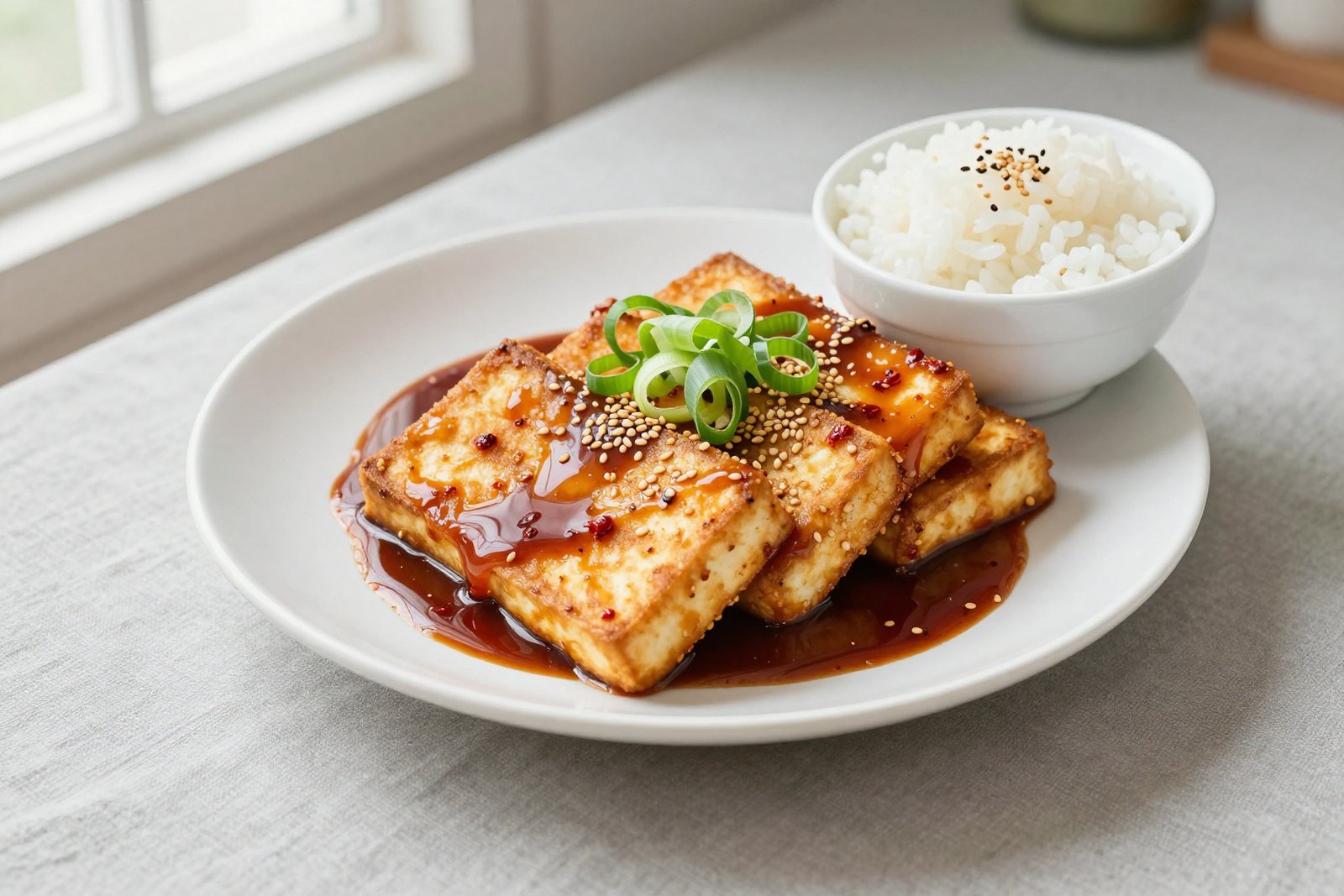
What to Make With Tofu: 9 Recipes, From Silken to Extra-Firm
What to make with tofu: 9 Savour recipes from silken to extra-firm, with the grams of tofu, total time and servings of each, plus pressing and freezing notes.
9 min read
New on Savour
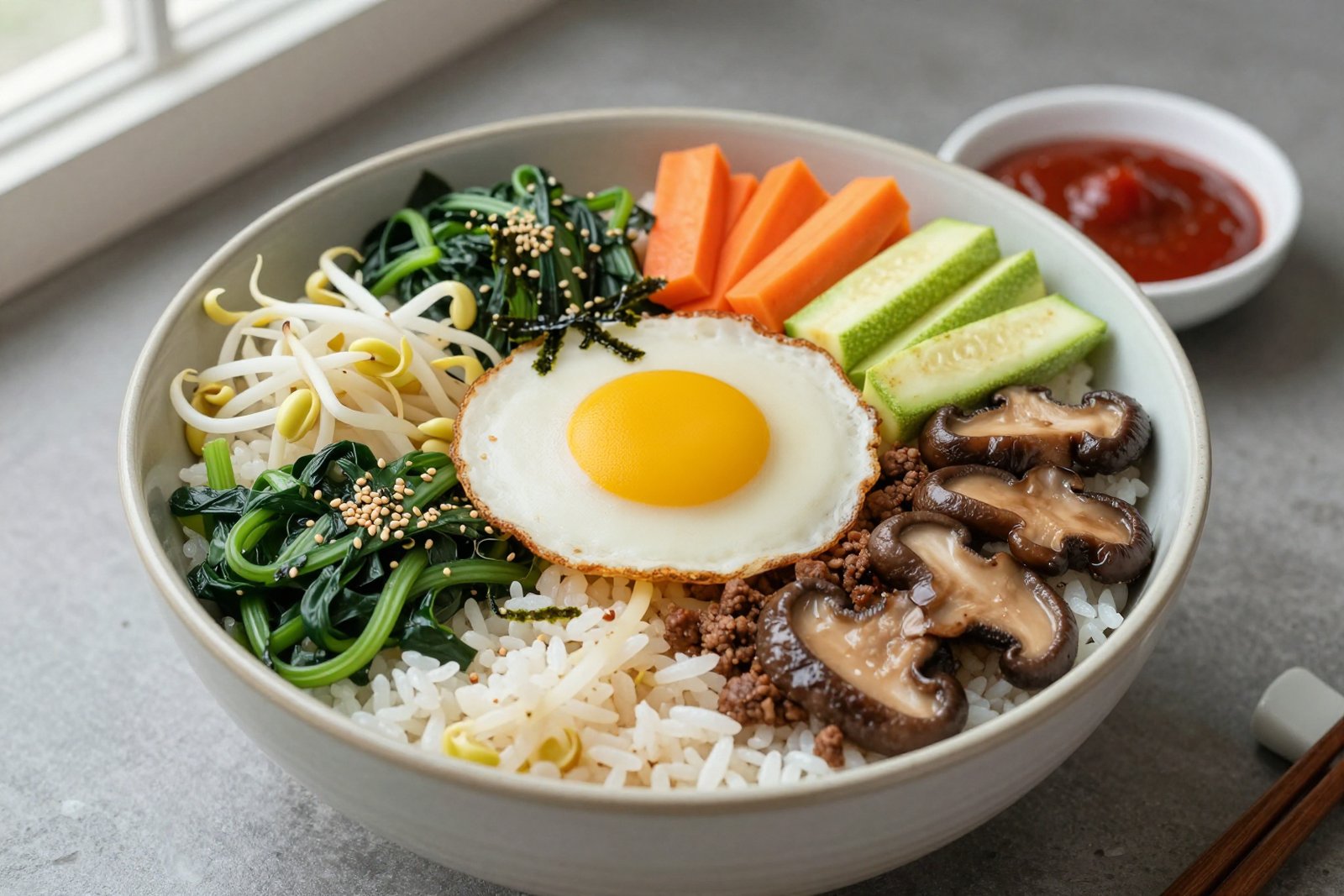
New Korean and Japanese Dinner Recipes on Savour, November 1 to 12, 2026
The 12 new Korean and Japanese dinner recipes Savour added from November 1 to 12, 2026, with total time, servings and protein per serving for each.
7 min read
Ingredient guides
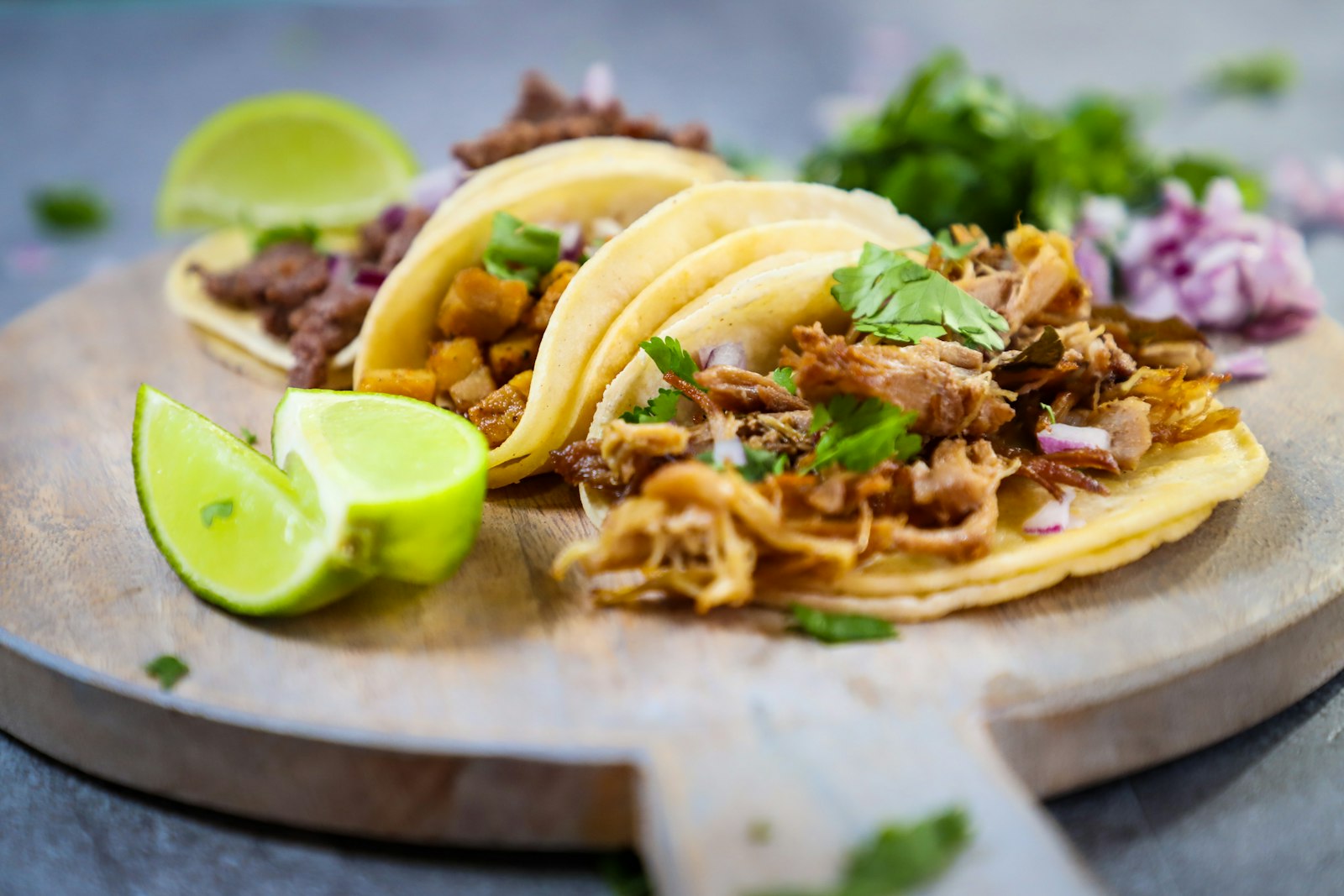
What to Make With Pork Shoulder: 7 Recipes, Slow-Cooked or Sliced Thin
What to make with pork shoulder: 7 Savour recipes, from 35-minute ginger pork with 500 g sliced thin to slow cooker carnitas with 1.8 kg in chunks.
9 min read