
New Korean and Japanese Dinner Recipes on Savour, November 1 to 12, 2026
The 12 new Korean and Japanese dinner recipes Savour added from November 1 to 12, 2026, with total time, servings and protein per serving for each.
By Mei Lin Tan
Published · 7 min read
Quick answer
As of November 12, 2026, Savour has added 12 new Korean and Japanese dinner recipes since November 1: 6 Japanese main courses on November 1 and 6 Korean ones on November 3. Dubu jorim and oyakodon are the quickest at 30 minutes in total, katsudon has the most protein at about 43 g per serving (estimate), and dubu jorim is the only one listed as vegan and vegetarian.
- Recipes featured
- 12
- Quickest
- Dubu Jorim (Korean Braised Tofu) (30 mins)
- Average total time
- 1 hr 24 mins
- Average calories
- 600 per serving
- Reading time
- 7 min
- Section
- New on Savour
From November 1 to 12, 2026, Savour added 12 new Korean and Japanese dinner recipes: 6 Japanese main courses published on November 1, among them katsudon and oyakodon, and 6 Korean ones published on November 3, among them bibimbap and galbi jjim. As of November 12, no other main course was published in that range, and no recipe was updated in it.
The same range also added 9 Korean and Japanese soups, snacks, appetizers, a side dish and a dessert, which the Korean recipes and Japanese recipes pages list with everything else from both cuisines.
New Korean dinner recipes, published November 3, 2026
Four of the six are built on beef (bulgogi, bibimbap, galbi jjim and LA galbi), one on tofu and one on bacon and kimchi. Five serve 4; dubu jorim serves 3.
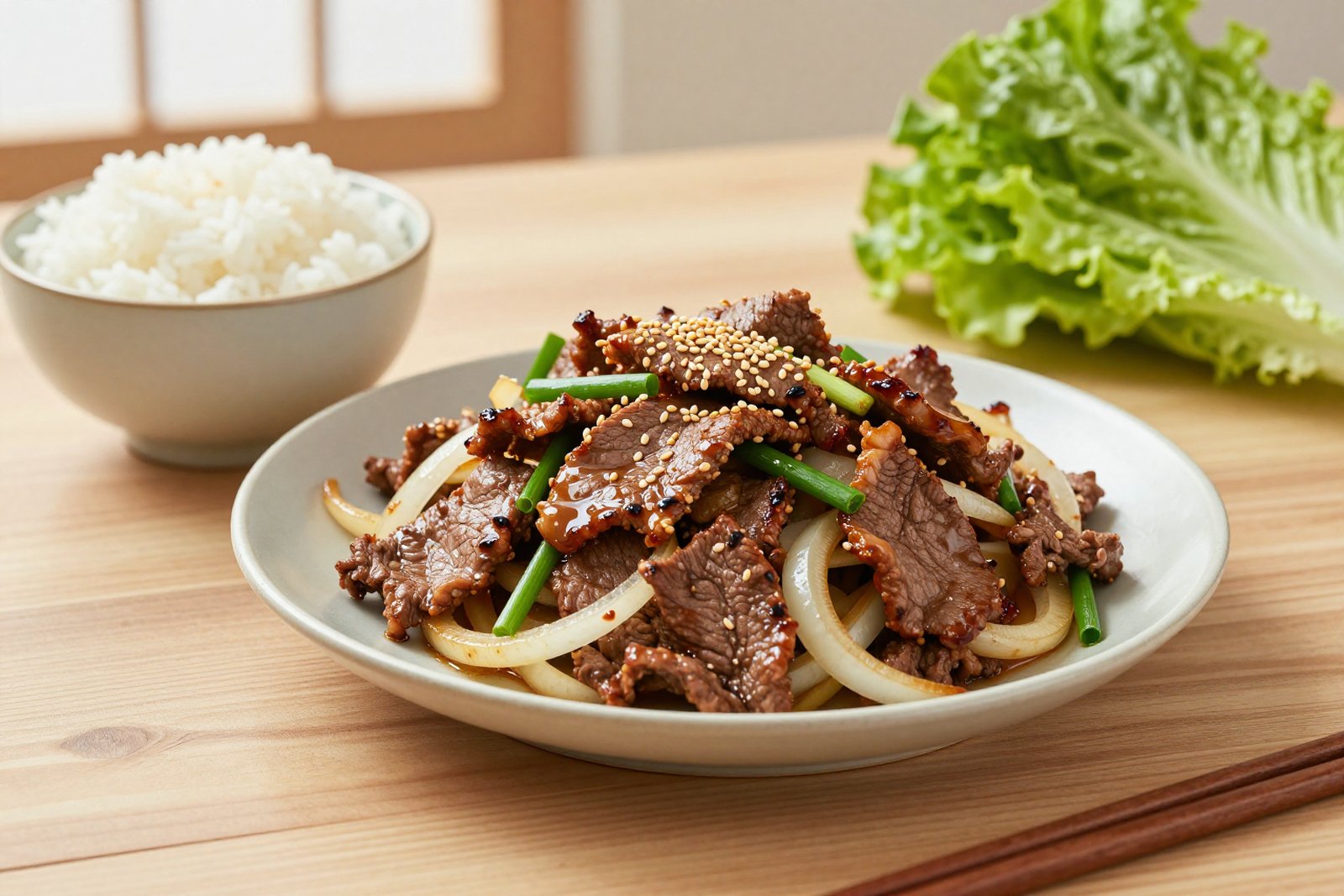
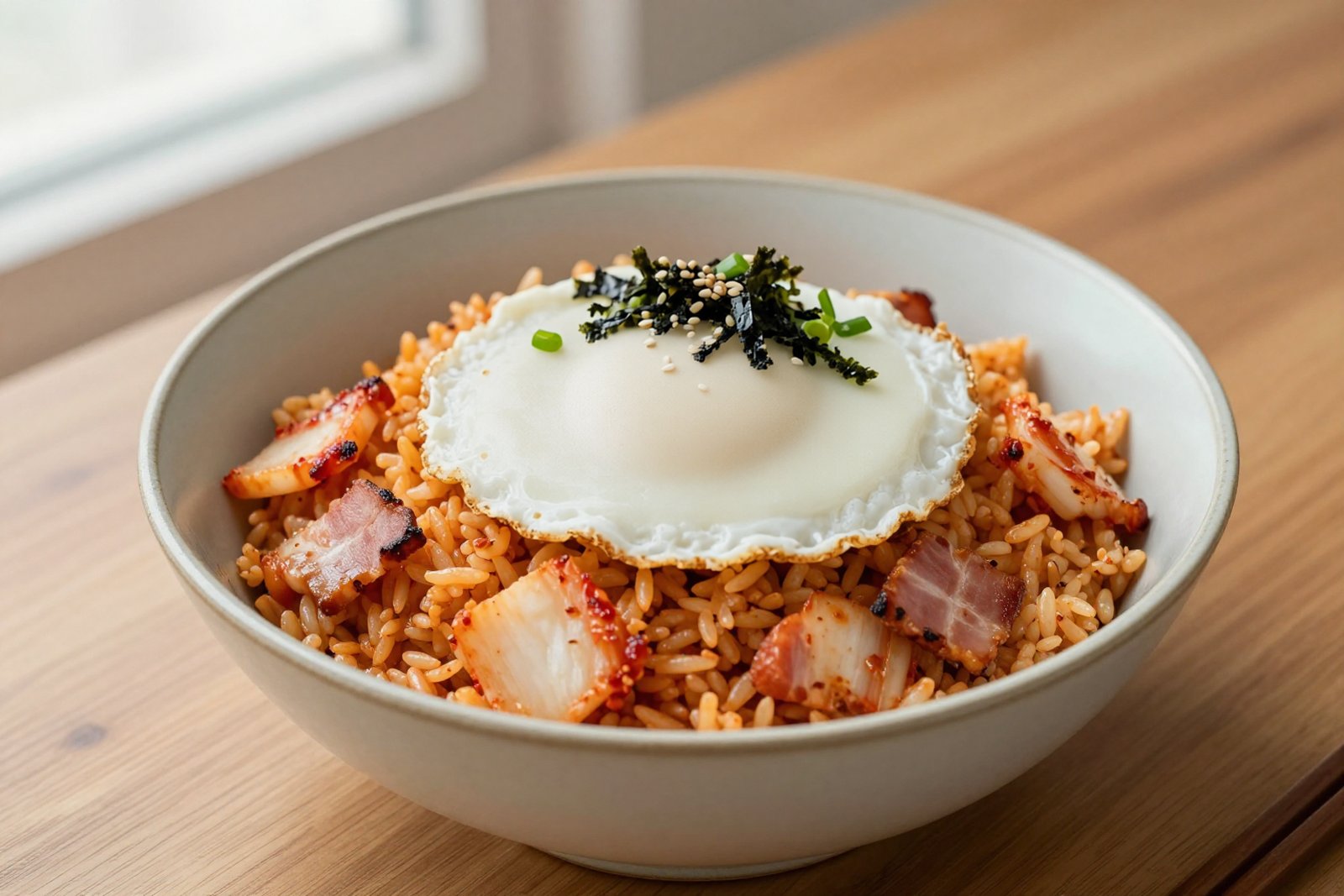
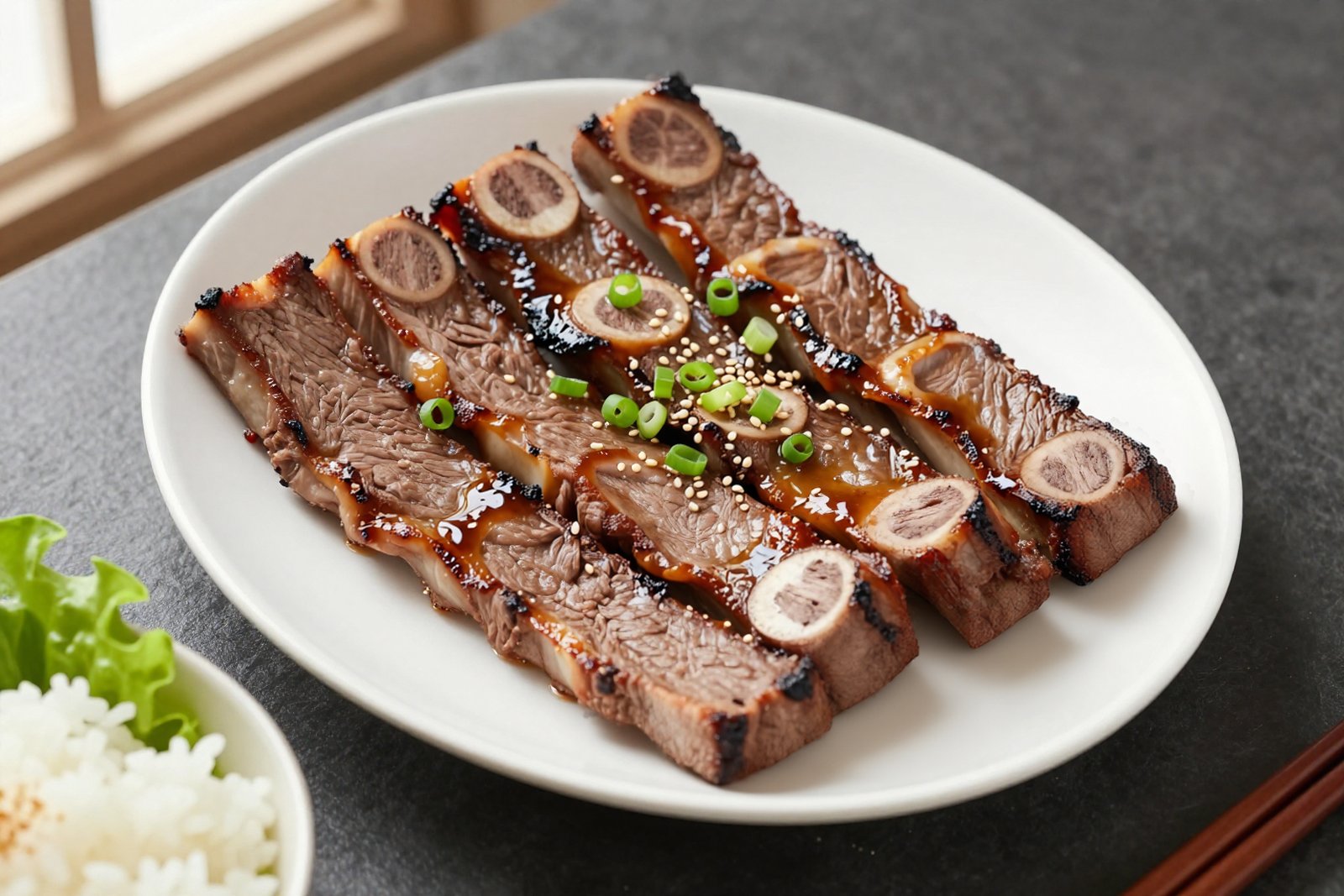
- Beef Bulgogi (Korean Marinated Beef): thin-sliced ribeye or sirloin in an Asian pear, soy, garlic and sesame oil marinade, seared fast in a very hot pan. There is no chili in it, and one variation puts gochujang or sliced fresh chili on the table for anyone who wants heat. Total 1 hour 8 minutes (20 prep + 18 cook + 30 marinate), serves 4.
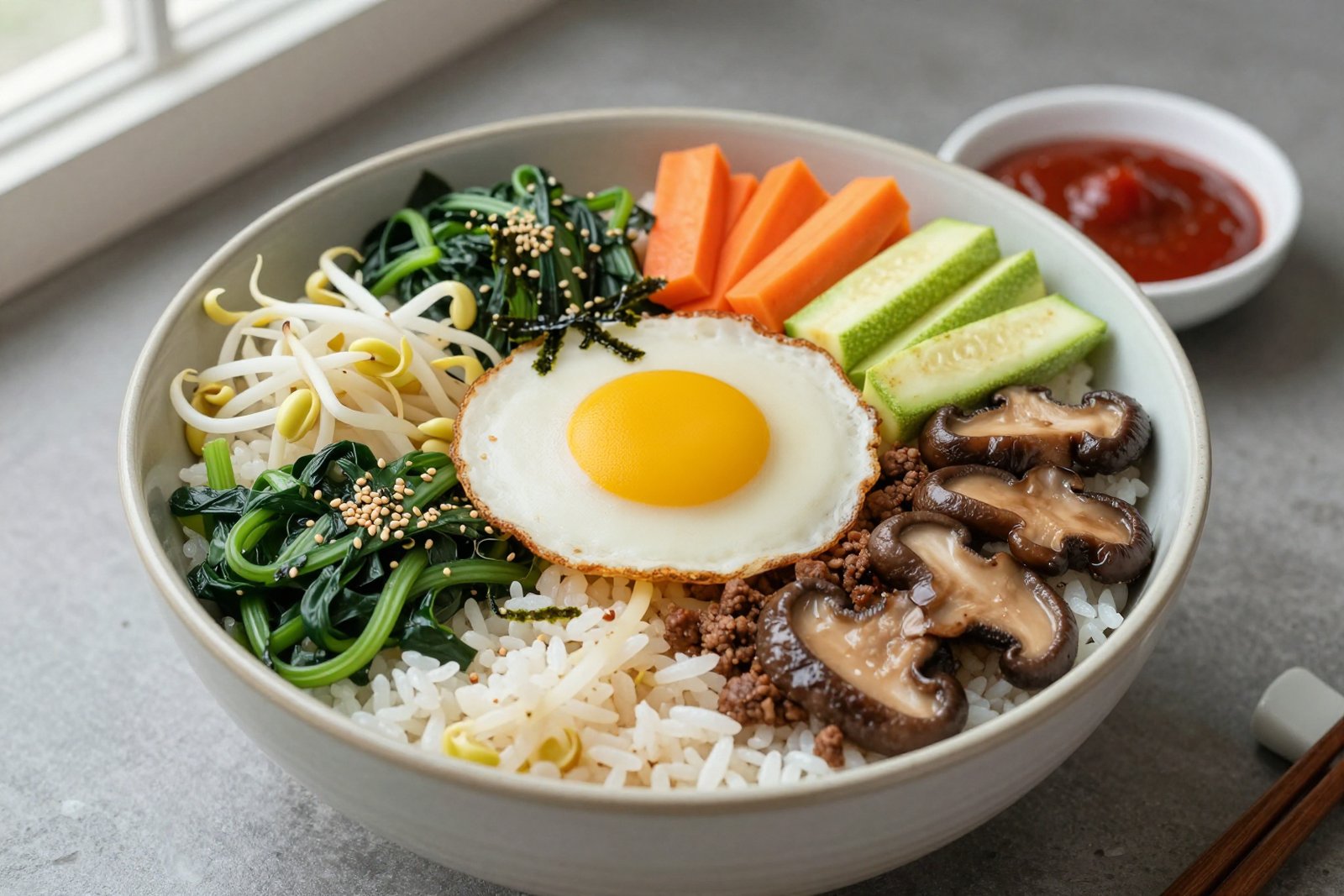
- Bibimbap (Korean Mixed Rice Bowl): sesame spinach, bean sprouts, carrot, zucchini, shiitake and soy-glazed beef over short-grain rice, with a fried egg and gochujang sauce. Total 55 minutes (25 prep + 30 cook), serves 4. Its 26 ingredients are the longest list of the 12.
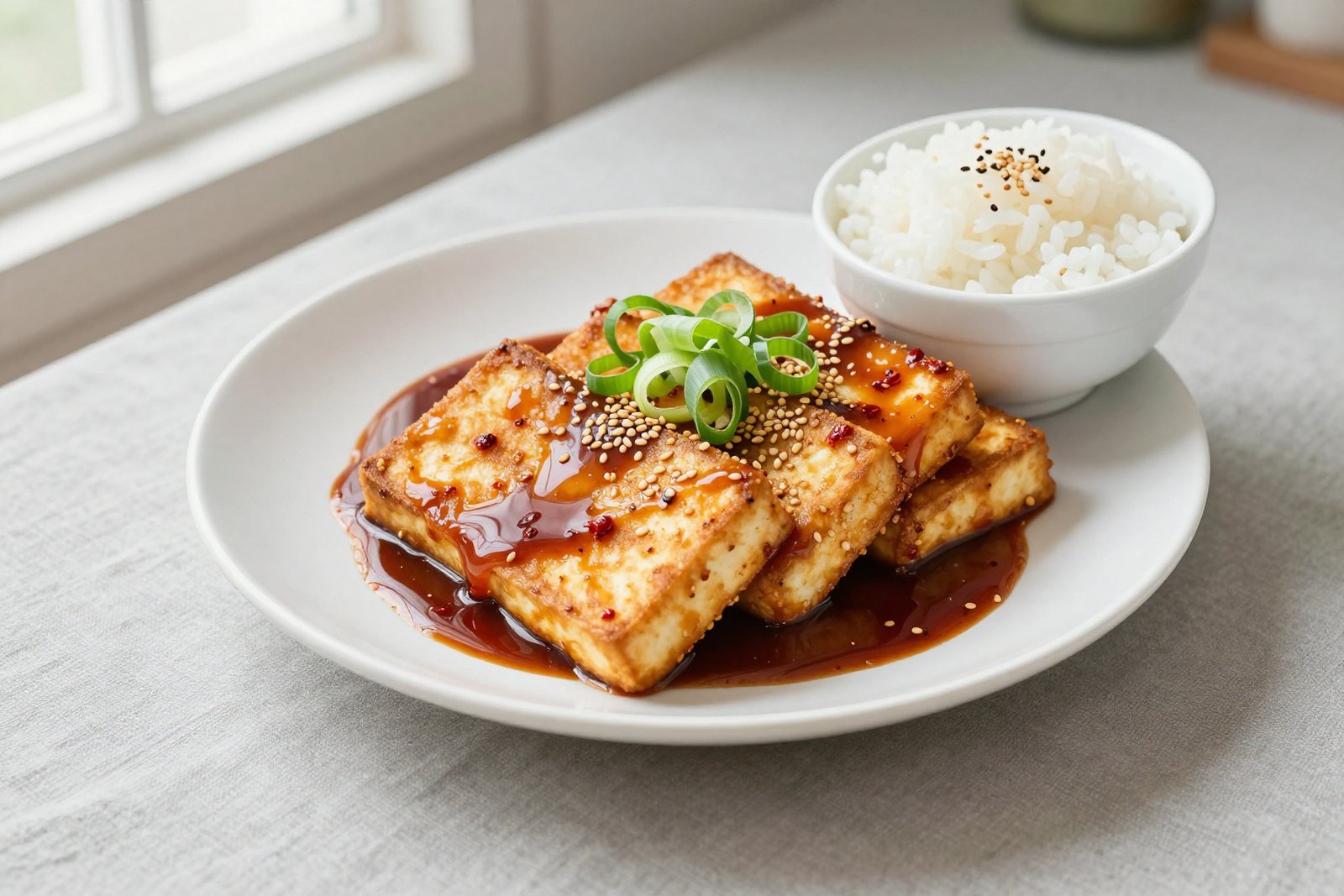
- Dubu Jorim (Korean Braised Tofu): firm tofu fried golden, then braised in soy, garlic and gochugaru until the sauce turns to a sticky glaze. Total 30 minutes (10 prep + 20 cook), plus rice, serves 3. The recipe lists it as vegan, vegetarian and low-calorie.
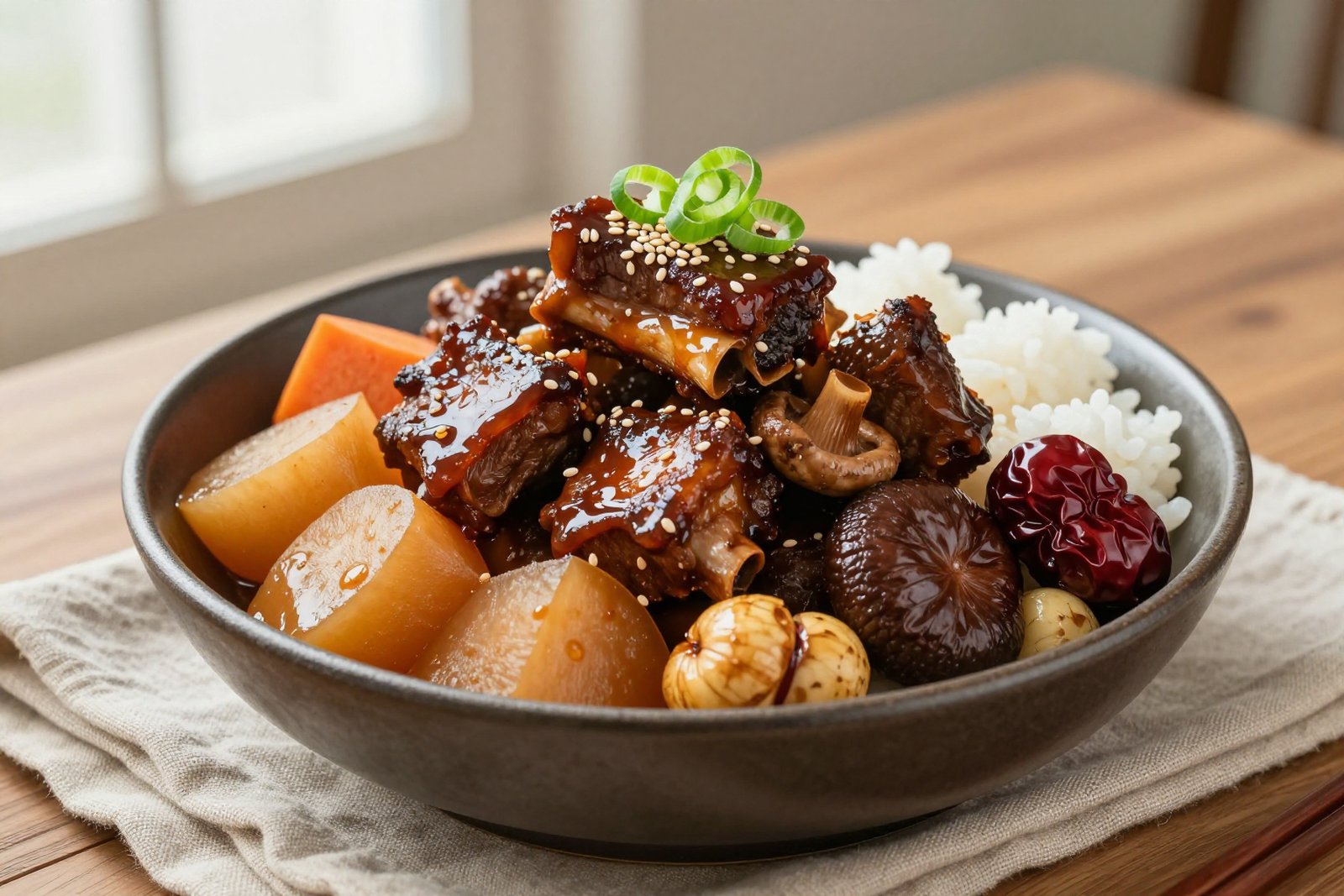
- Galbi Jjim (Korean Braised Short Ribs): bone-in short ribs braised in soy sauce, pear, garlic and ginger, finished with radish, carrot and shiitake until fork-tender. Total 3 hours 25 minutes (25 prep + 150 cook + 30 soak), serves 4.
- Kimchi Fried Rice (Kimchi Bokkeumbap): cold cooked rice, sour kimchi, bacon and gochujang in one skillet, topped with a fried egg and seaweed. Total 35 minutes (10 prep + 25 cook), serves 4.
- LA Galbi (Korean BBQ Short Ribs): short ribs cut thin across the bone, marinated in soy, brown sugar and Asian pear, then charred on the grill for 3 to 4 minutes a side. Total 4 hours 50 minutes (20 prep + 30 cook + 240 marinate), serves 4.
New Japanese dinner recipes, published November 1, 2026
Three are chicken (karaage, curry and oyakodon) and three are pork (ginger pork, katsudon and okonomiyaki, which is topped with pork belly). All six serve 4.
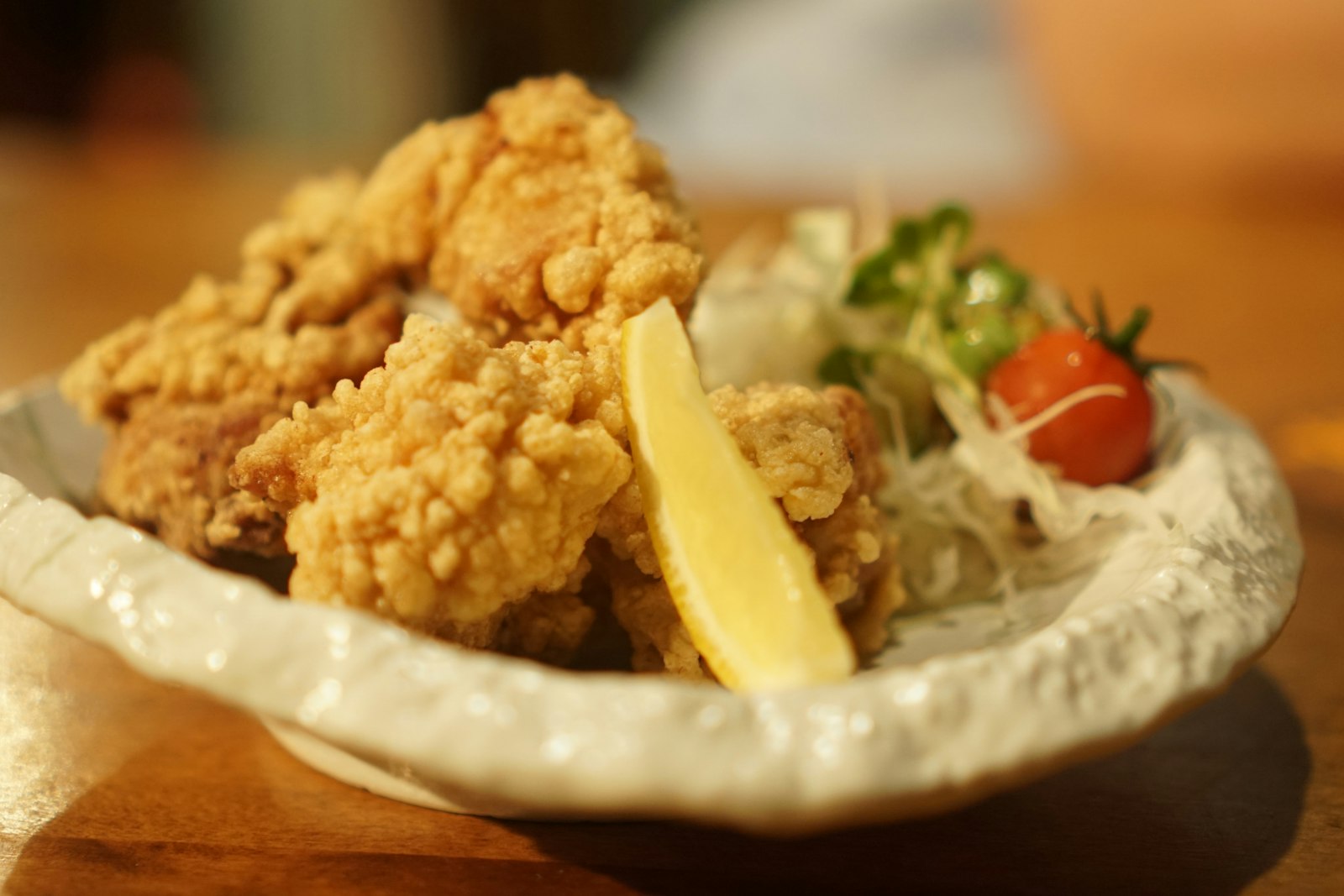
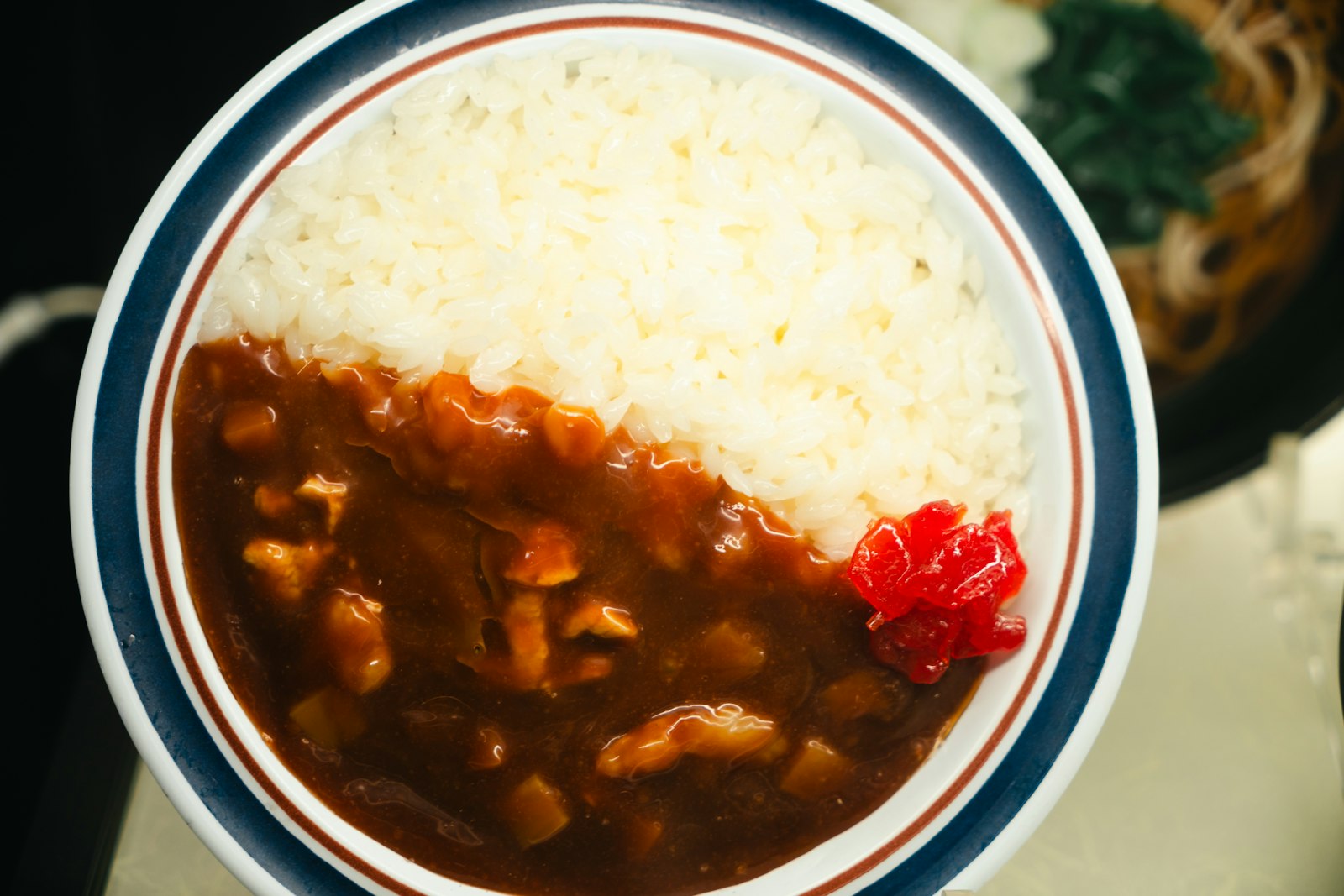
- Chicken Karaage (Japanese Fried Chicken): bite-size chicken thighs marinated in soy, sake, ginger and garlic, coated in potato starch and fried twice, first at 170°C (340°F) and then at 190°C (375°F), until the chicken reaches 74°C (165°F). Total 1 hour 25 minutes (20 prep + 35 cook + 30 marinate).
- Japanese Chicken Curry (Kare Raisu): chicken thighs, potato and carrot simmered in stock with a grated apple, thickened with a homemade curry roux and served over rice. Total 1 hour (15 prep + 45 cook).
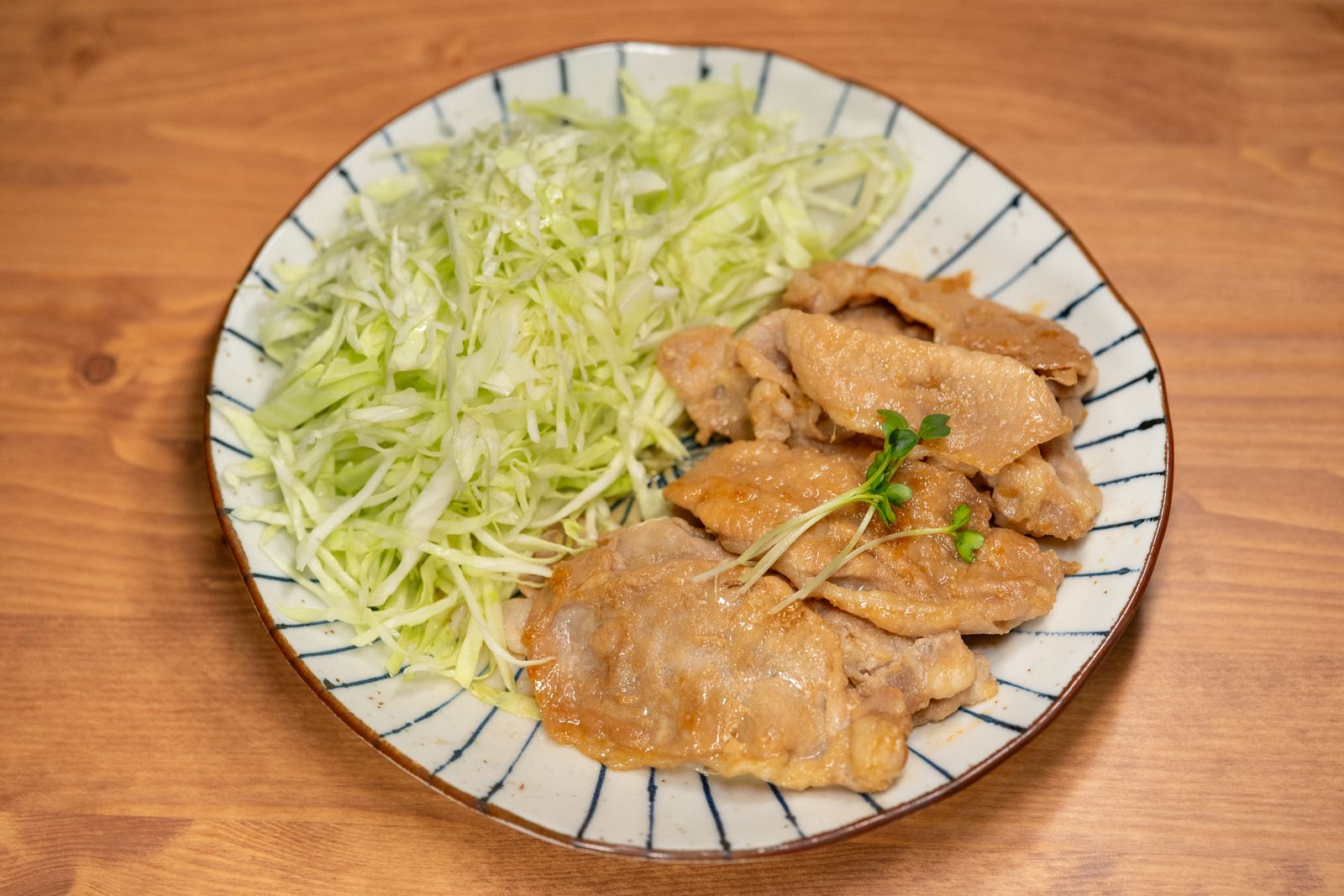
- Japanese Ginger Pork (Shogayaki): thin-sliced pork marinated in soy, mirin, sake and fresh ginger, pan-fried with onion and served with shredded cabbage and rice. Total 35 minutes (10 prep + 10 cook + 15 marinate), from 7 ingredients plus 3 that are optional or for serving.
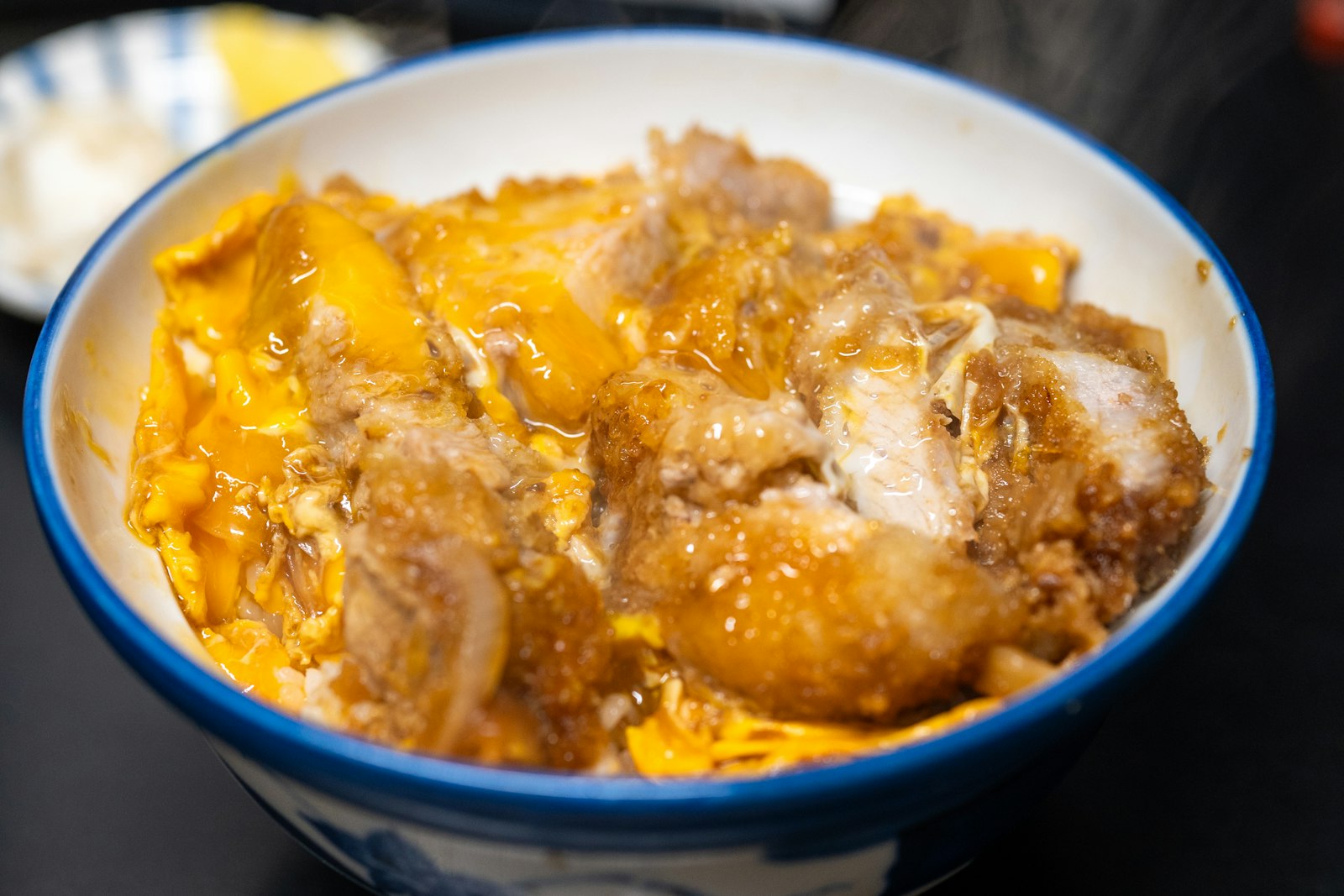
- Katsudon (Japanese Pork Cutlet Rice Bowl): a panko pork cutlet simmered briefly with onion in a dashi, soy sauce and mirin sauce, finished with egg and served over rice. Total 50 minutes (20 prep + 30 cook).
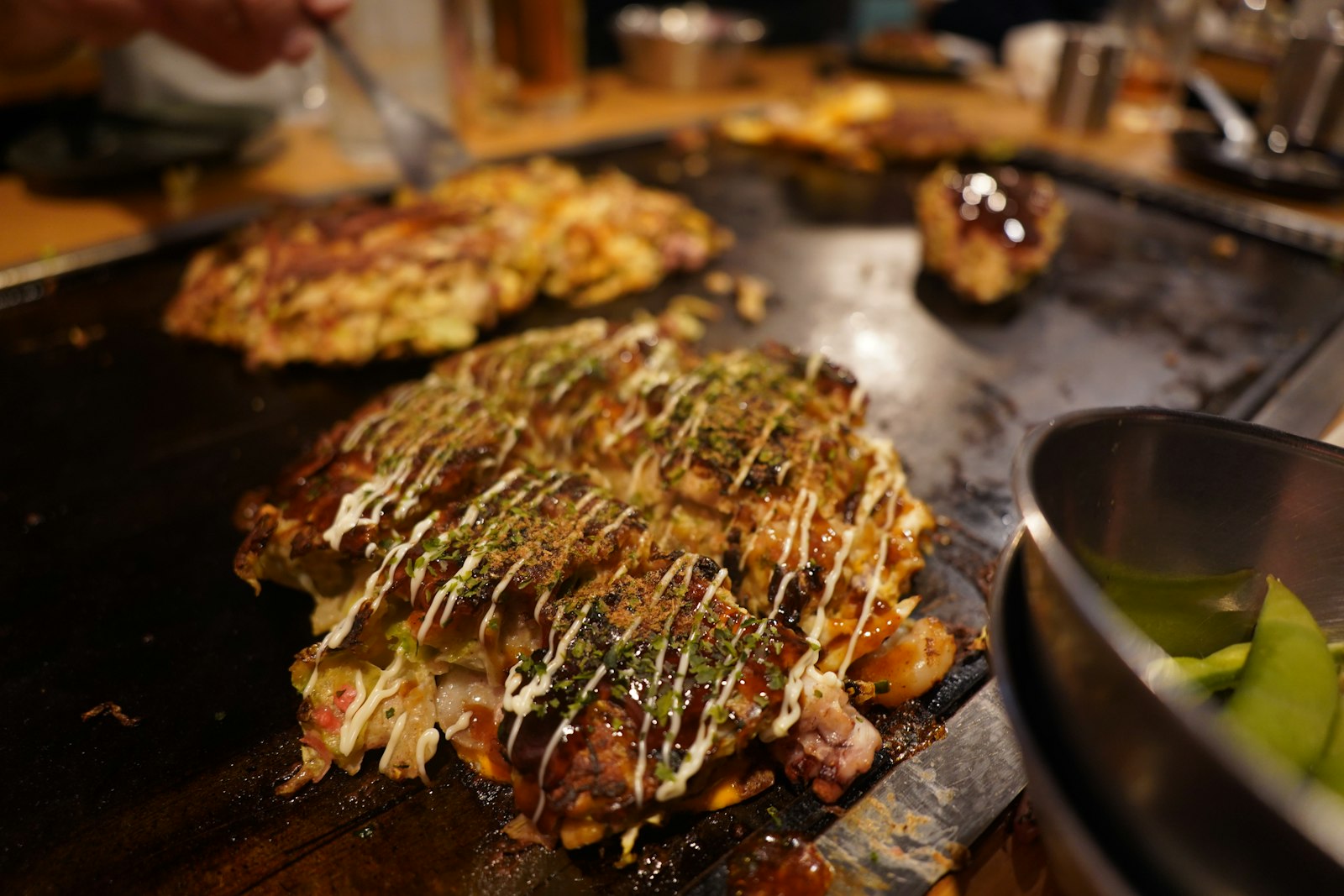
- Okonomiyaki (Japanese Cabbage Pancake): a savoury cabbage pancake topped with pork belly, a homemade ketchup and Worcestershire sauce, and mayonnaise. Total 1 hour 5 minutes (20 prep + 45 cook).
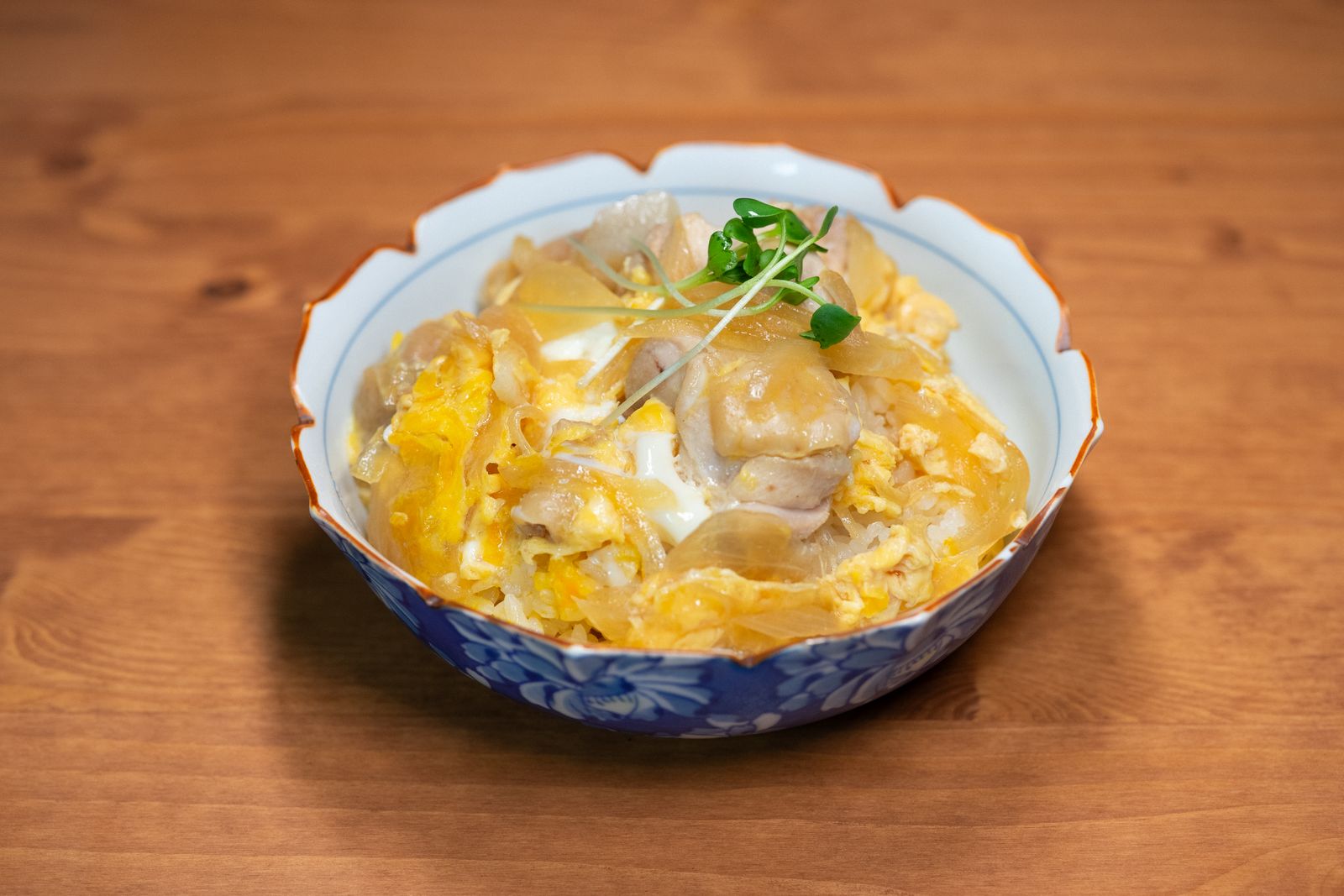
- Oyakodon (Japanese Chicken and Egg Rice Bowl): chicken thighs and onion simmered in dashi with soy sauce and mirin, then set with egg, with the rice included in its time. Total 30 minutes (5 prep + 25 cook).
How do the 12 new Korean and Japanese dinner recipes compare?
Sorted by total time as stored on each recipe, which includes any marinating or soaking. Calories and protein are each recipe's own estimate per serving. The bulgogi, galbi jjim and LA galbi figures leave out the rice served with them, and the dubu jorim figures cover the tofu and sauce only, as those recipes note.
Five of the totals include marinating or soaking time: 240 minutes for LA galbi, 30 minutes each for galbi jjim, beef bulgogi and chicken karaage, and 15 minutes for Japanese ginger pork.
Quick picks from the new recipes
Which new dinners take 30 minutes or less?
Two: dubu jorim and oyakodon, at 30 minutes in total each, and both are in Quick Weeknight Dinners. Dubu jorim (10 prep + 20 cook) serves 3 and its time does not cover the rice to go with it. Oyakodon (5 prep + 25 cook) serves 4 and includes the rice. Kimchi fried rice and Japanese ginger pork come next at 35 minutes.
Which new dinner has the most protein per serving?
Katsudon, at about 43 g protein per serving (estimate), then galbi jjim at about 41 g and Japanese chicken curry at about 40 g. Nine of the 12 have 25 g or more protein per serving (estimate); dubu jorim, kimchi fried rice and okonomiyaki have about 18 g each. Among those nine, chicken karaage has the fewest calories, about 380 per serving (estimate) with about 36 g protein. For older Savour dinners compared on the same measure, see high-protein dinners ranked by protein per serving.
Is any new dinner vegetarian or vegan?
One: dubu jorim, which the recipe lists as vegan, vegetarian and low-calorie. It is also the lowest in calories of the 12, at about 290 calories per serving (estimate) for the tofu and sauce. Check the labels of packaged ingredients such as the soy sauce if the diet matters to you; the recipe's gluten-free variation swaps in tamari or a gluten-free soy sauce, since regular soy sauce contains wheat. The other 11 list no diets. More vegetarian and vegan recipes are on the Vegetarian Recipes and Vegan Recipes pages.
Which new dinners need planning ahead, and which can you freeze?
Marinating, soaking and cold rice
- LA galbi marinates for 4 hours of its 4 hours 50 minutes. The recipe's tip is to marinate the ribs the day before (up to 24 hours in the fridge) or freeze them raw in the marinade, after which dinner is about 30 minutes away.
- Galbi jjim soaks for 30 minutes and cooks for 2 hours 30 minutes. Its tip says it can be made up to 3 days ahead, and it keeps 4 days in all.
- Beef bulgogi and chicken karaage marinate for 30 minutes each. The bulgogi can go into its marinade (made with pear or apple, not kiwi) the night before, which leaves under 20 minutes of cooking the next evening.
- Kimchi fried rice starts from cold cooked rice, cooled quickly, refrigerated within 2 hours of cooking and used within 3 days. Other dinners that start from cooked rice are in the guide to what to make with leftover rice.
Freezer notes, recipe by recipe
- Up to 3 months: beef bulgogi (the raw marinated beef; cooked bulgogi up to 2 months), galbi jjim (the cooled ribs and sauce; the radish and carrot soften, so the meat and sauce can be frozen alone) and LA galbi (the raw ribs in their marinade; grilled ribs up to 2 months).
- Up to 2 months: chicken karaage, Japanese chicken curry (the recipe suggests freezing it without the potatoes, which turn soft and slightly grainy) and Japanese ginger pork (the pork and onion in their sauce).
- Up to 1 month: okonomiyaki, the cooled pancakes wrapped one by one.
- Only in part: katsudon, whose plain fried cutlets freeze for up to 2 months before they go in the sauce; the cooked egg does not freeze well.
- Not for the freezer: dubu jorim (freezing makes the tofu spongy) and oyakodon (egg dishes do not freeze well). Bibimbap and kimchi fried rice have no freezer note, and kimchi fried rice keeps up to 1 day in the fridge, with leftovers eaten cold rather than reheated.
Galbi jjim and Japanese chicken curry are also in Freezer Meals, and the freezer meal plan with 5 dinners to cook once and freeze shows how to plan a whole freezer cooking day.
Recipes in this post (12)
Frequently Asked Questions
Which Korean and Japanese dinners did Savour add from November 1 to 12, 2026?
Six Japanese main courses on November 1, 2026: chicken karaage, Japanese chicken curry, Japanese ginger pork, katsudon, okonomiyaki and oyakodon. Six Korean ones on November 3, 2026: beef bulgogi, bibimbap, dubu jorim, galbi jjim, kimchi fried rice and LA galbi. As of November 12, no other main course was published in that range.
Which of the new Korean and Japanese dinners is the quickest?
Dubu jorim and oyakodon, at 30 minutes in total each. Dubu jorim (10 minutes prep, 20 cooking) serves 3, and its time does not cover the rice served with it; oyakodon (5 minutes prep, 25 cooking) serves 4 and includes the rice in its time.
How much protein do the new Korean and Japanese dinners have?
From about 18 g protein per serving (estimate) for dubu jorim, kimchi fried rice and okonomiyaki to about 43 g for katsudon. Galbi jjim has about 41 g and Japanese chicken curry about 40 g, and 9 of the 12 have 25 g or more protein per serving (estimate).
Can you freeze the new Korean and Japanese dinners?
Seven of the 12 can be frozen. Galbi jjim keeps up to 3 months cooked, and beef bulgogi and LA galbi up to 3 months raw in their marinade (2 months once cooked); chicken karaage, Japanese chicken curry and Japanese ginger pork keep up to 2 months, and okonomiyaki up to 1 month. Katsudon freezes only in part: the plain fried cutlets, for up to 2 months. Dubu jorim and oyakodon are best not frozen, and bibimbap and kimchi fried rice have no freezer note.
Is there a vegan Korean or Japanese dinner among the new recipes?
Yes, one: dubu jorim (Korean braised tofu), which the recipe lists as vegan, vegetarian and low-calorie. It takes 30 minutes in total and serves 3. Check the labels of packaged ingredients such as the soy sauce if the diet matters to you.
More from the blog
Ingredient guides
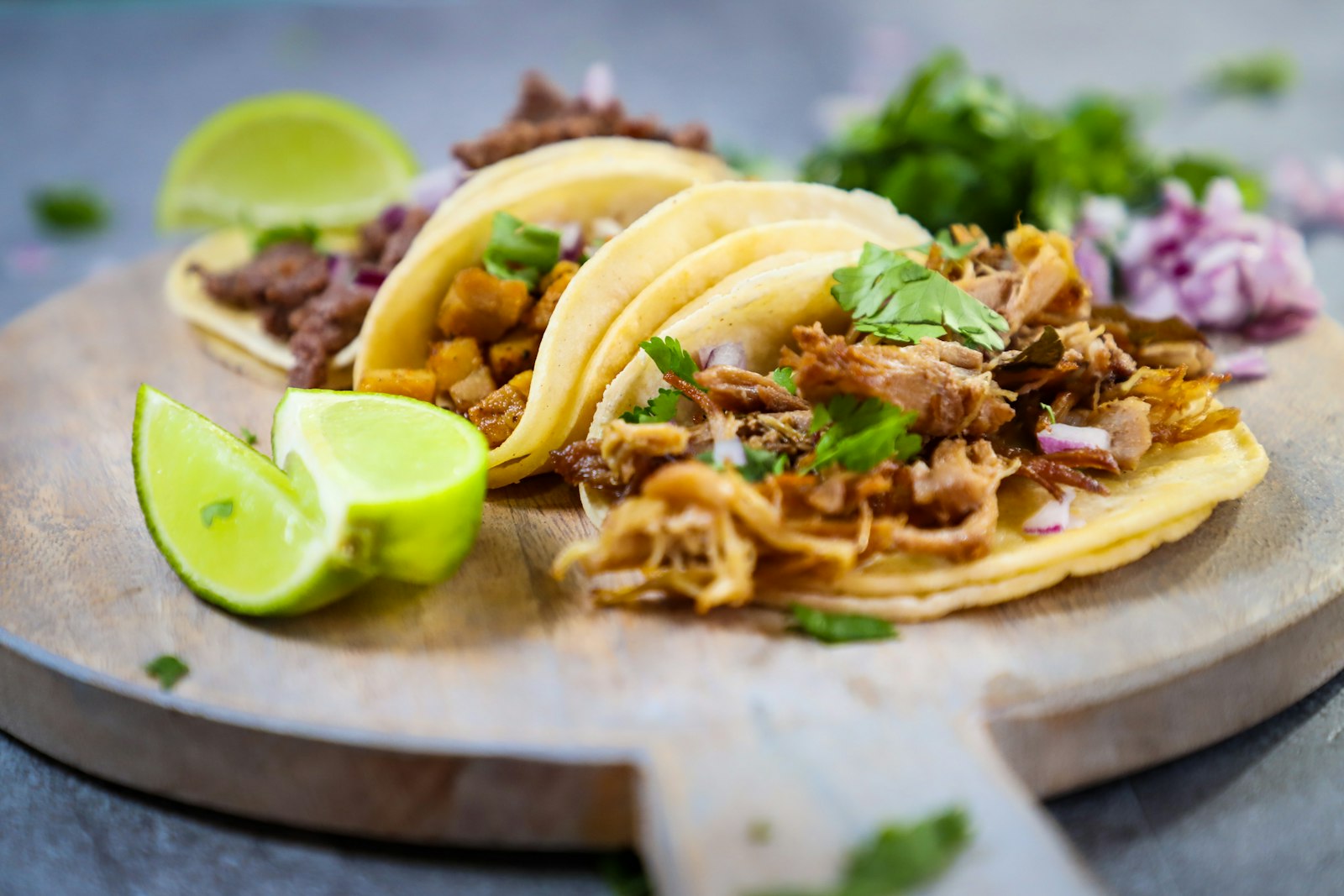
What to Make With Pork Shoulder: 7 Recipes, Slow-Cooked or Sliced Thin
What to make with pork shoulder: 7 Savour recipes, from 35-minute ginger pork with 500 g sliced thin to slow cooker carnitas with 1.8 kg in chunks.
9 min read
Cooking guides
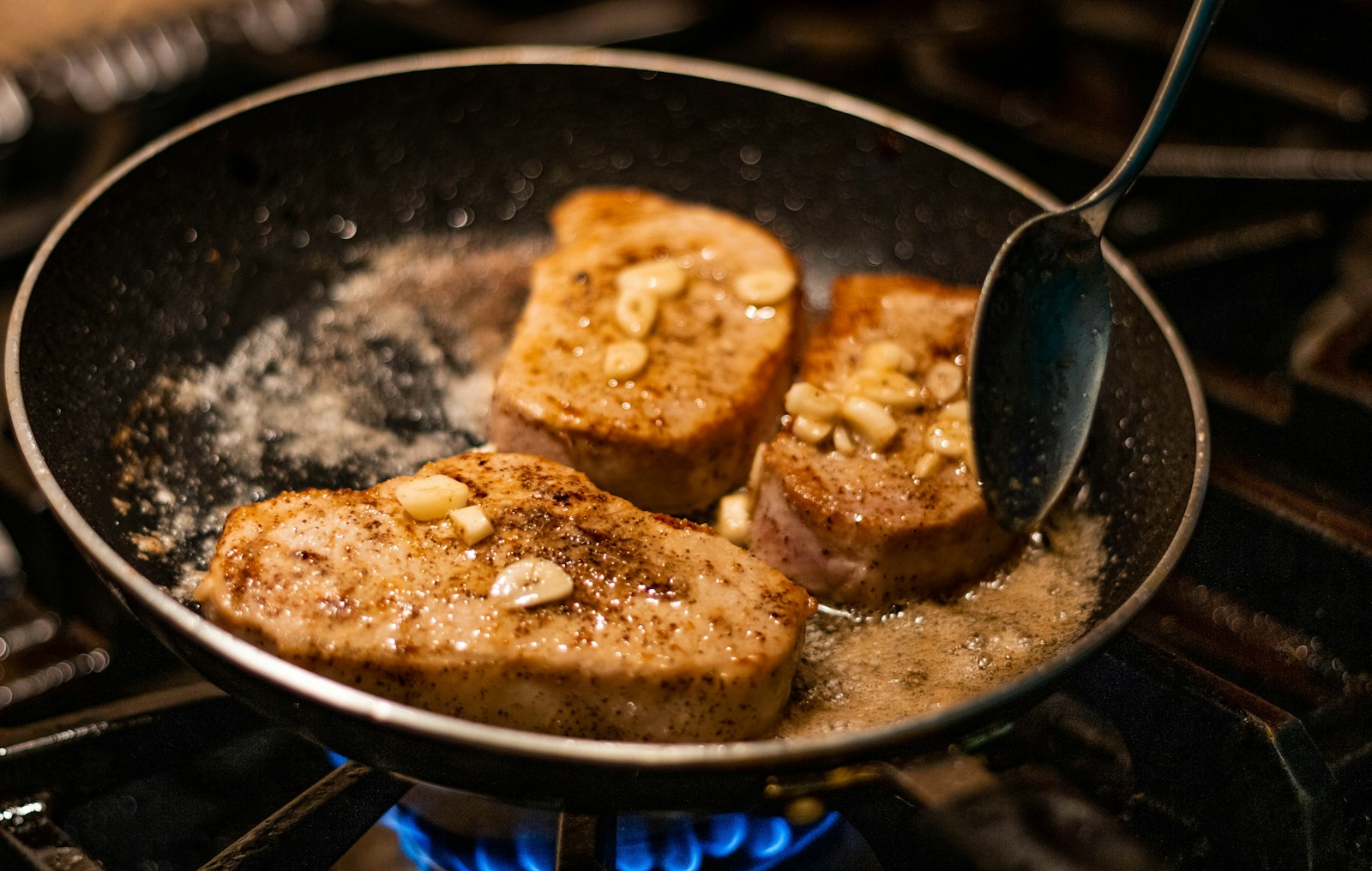
How Long to Cook Pork Chops: Pan, Oven, Air Fryer and Grill Times
How long to cook pork chops in a pan, oven, air fryer, grill, broiler or slow cooker: the heat and minutes from 15 Savour recipes, all to 71°C (160°F).
10 min read
Recipe roundups
Hands-Off Oven Dinners: 14 Recipes Compared by Unattended Oven Time
14 hands-off oven dinners compared on prep, oven time and the longest untouched stretch, from 20 minutes for baked ziti to about an hour for youvetsi.
10 min read